Best Exterior Brown House Colors
The best brown for your home's exterior depends on roof color, sun exposure, masonry, and how much contrast your trim can handle. Brown can mean milk chocolate, espresso, ochre, or terracotta, and those undertones behave very differently once they cover siding instead of a 2 inch paint chip.
These are the brown exterior colors I would actually sample for clients, with notes on where each one earns its place. Before you commit, paint sample boards and move them to the sunny side, shaded side, and next to the roof or brick. Exterior color decisions get expensive fast, and screens lie.

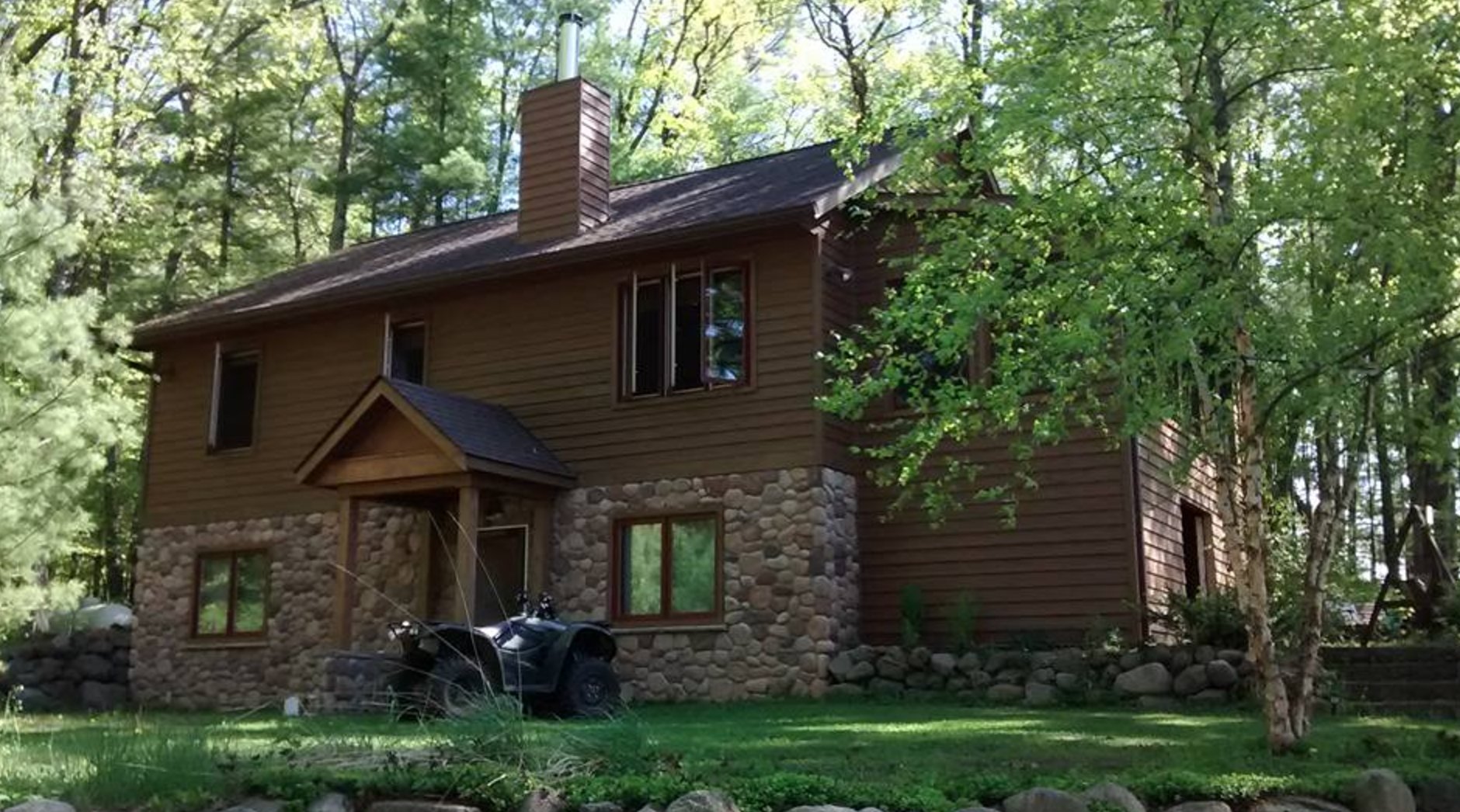
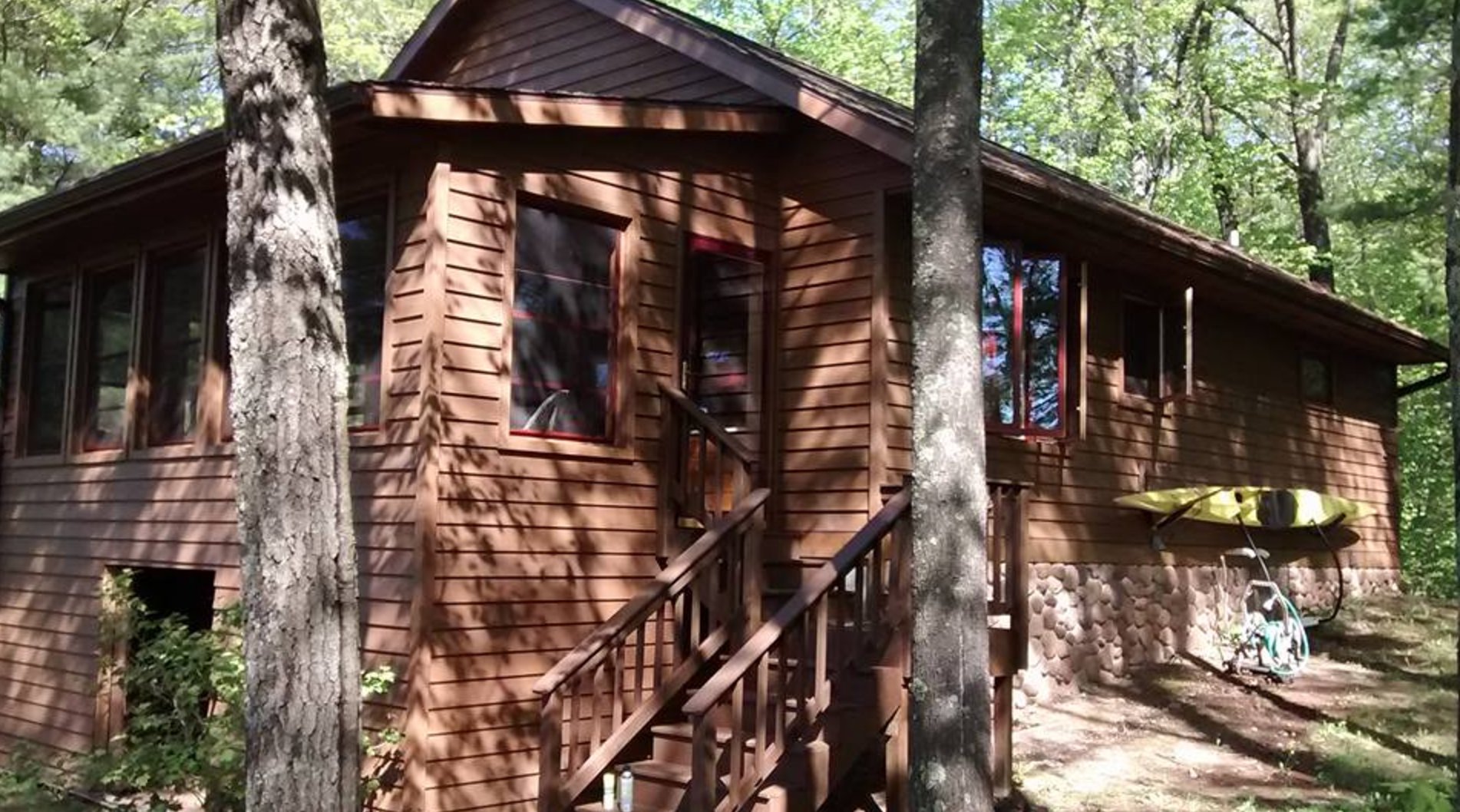
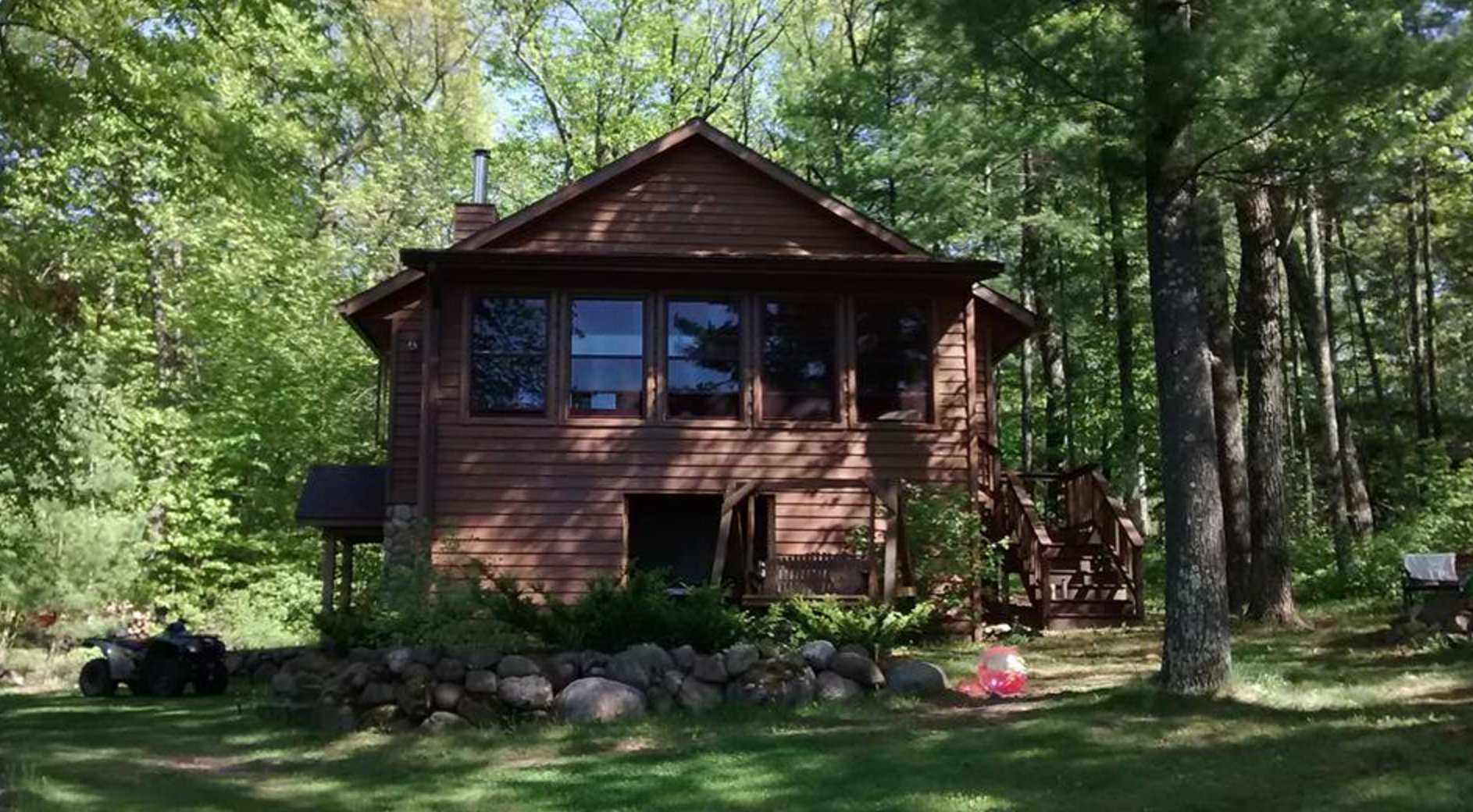
2. Dragon's Breath by Benjamin Moore

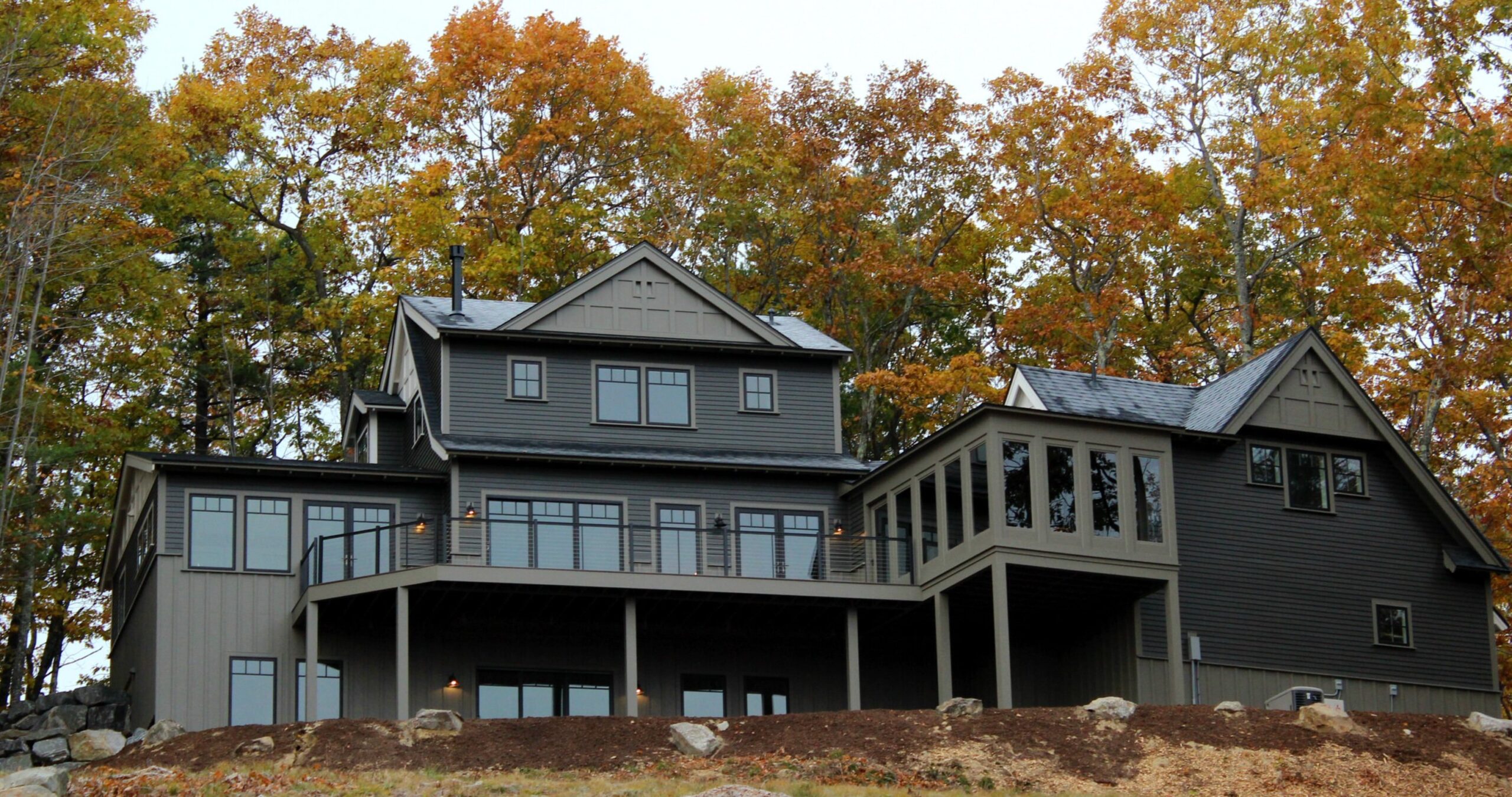
Dragon's Breath is the brown I sample when a client wants a dark exterior but does not want black. With an LRV of 7, it has real weight, while its gray-brown base and quiet green note keep it from looking like plain dark paint.
Cloudy weather brings out the brown undertone, which is useful in climates with long gray seasons. In full sun it lightens a bit, but it usually keeps enough depth to hold crisp white trim, black windows, or dark metal roofing.
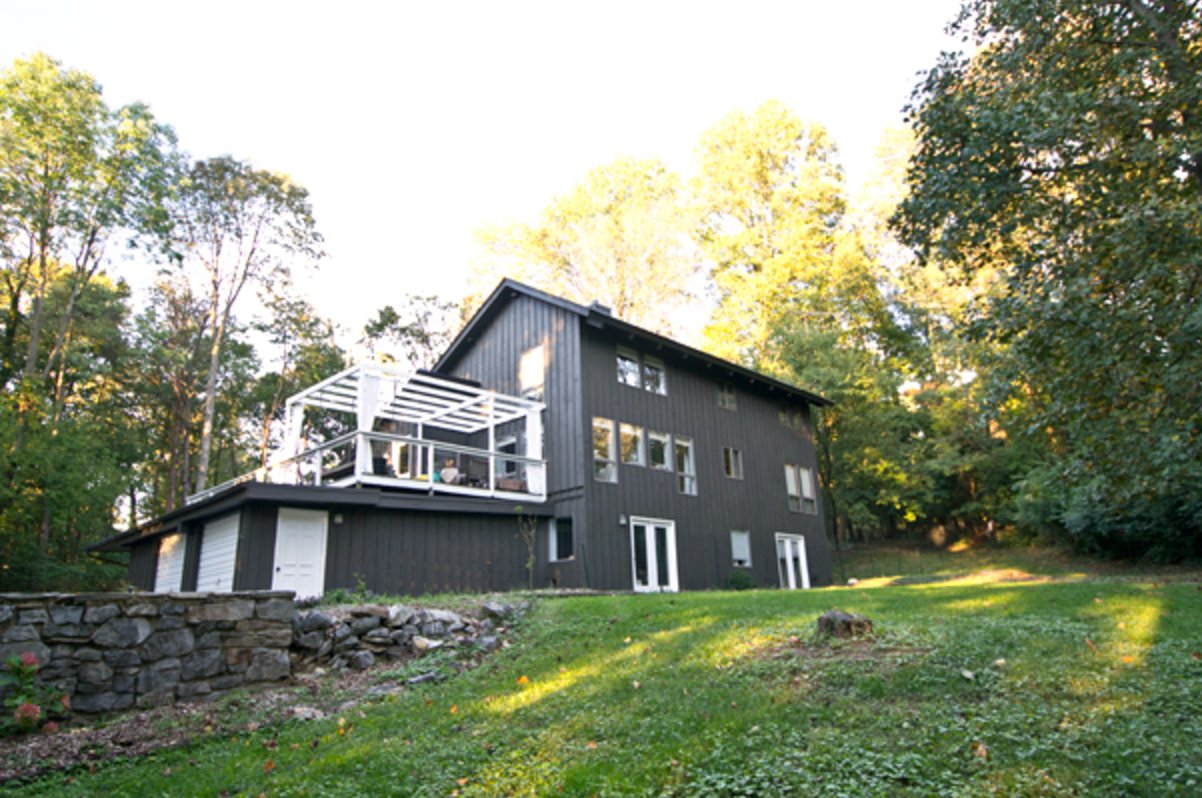
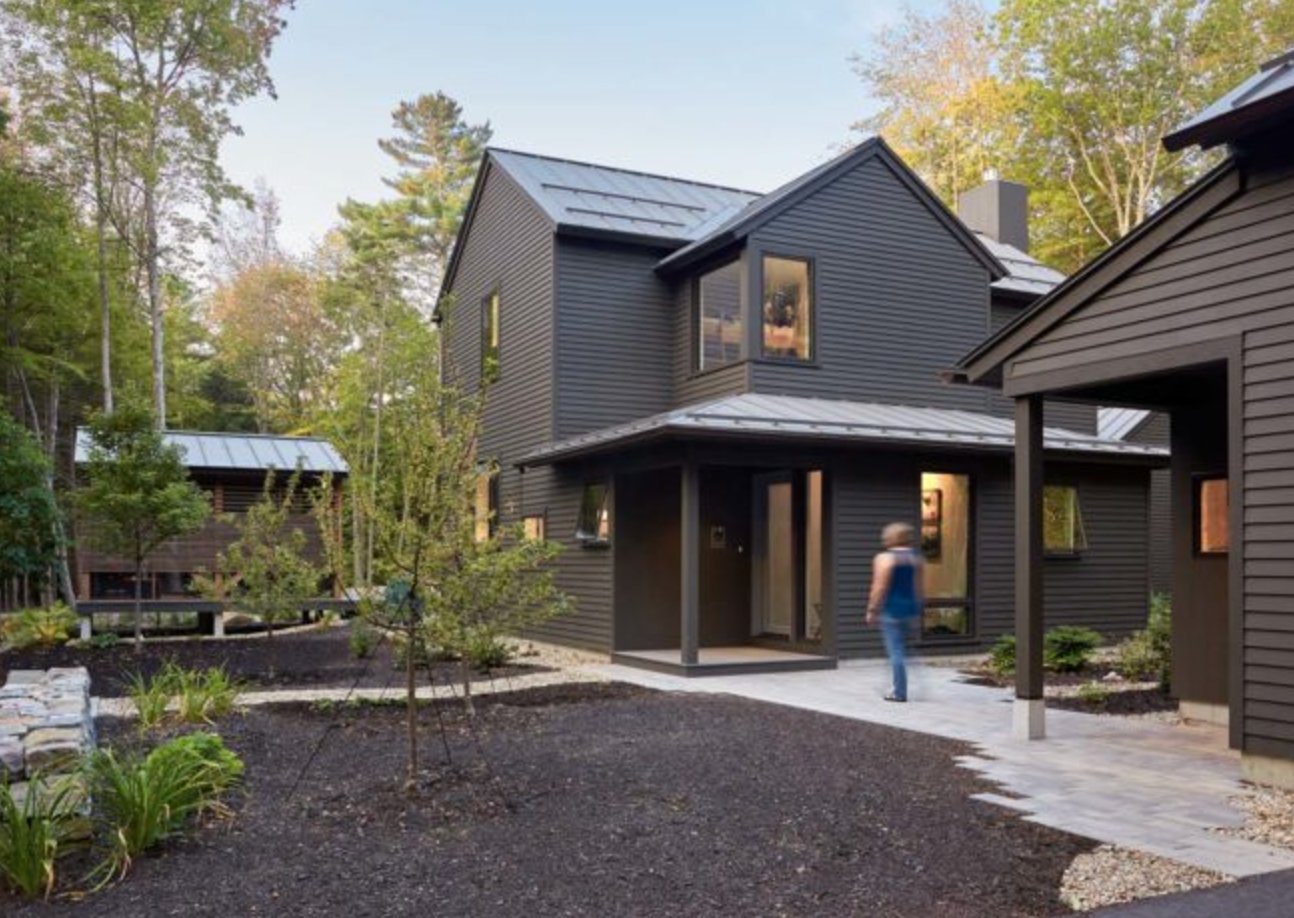
This is also practical if your siding sees road dust, pollen, or heavy weathering. The green undertone helps it sit well against landscaping, but test it next to any red brick first. Red brick can make Dragon's Breath look greener than expected.
3. Smokey Topaz by Sherwin Williams

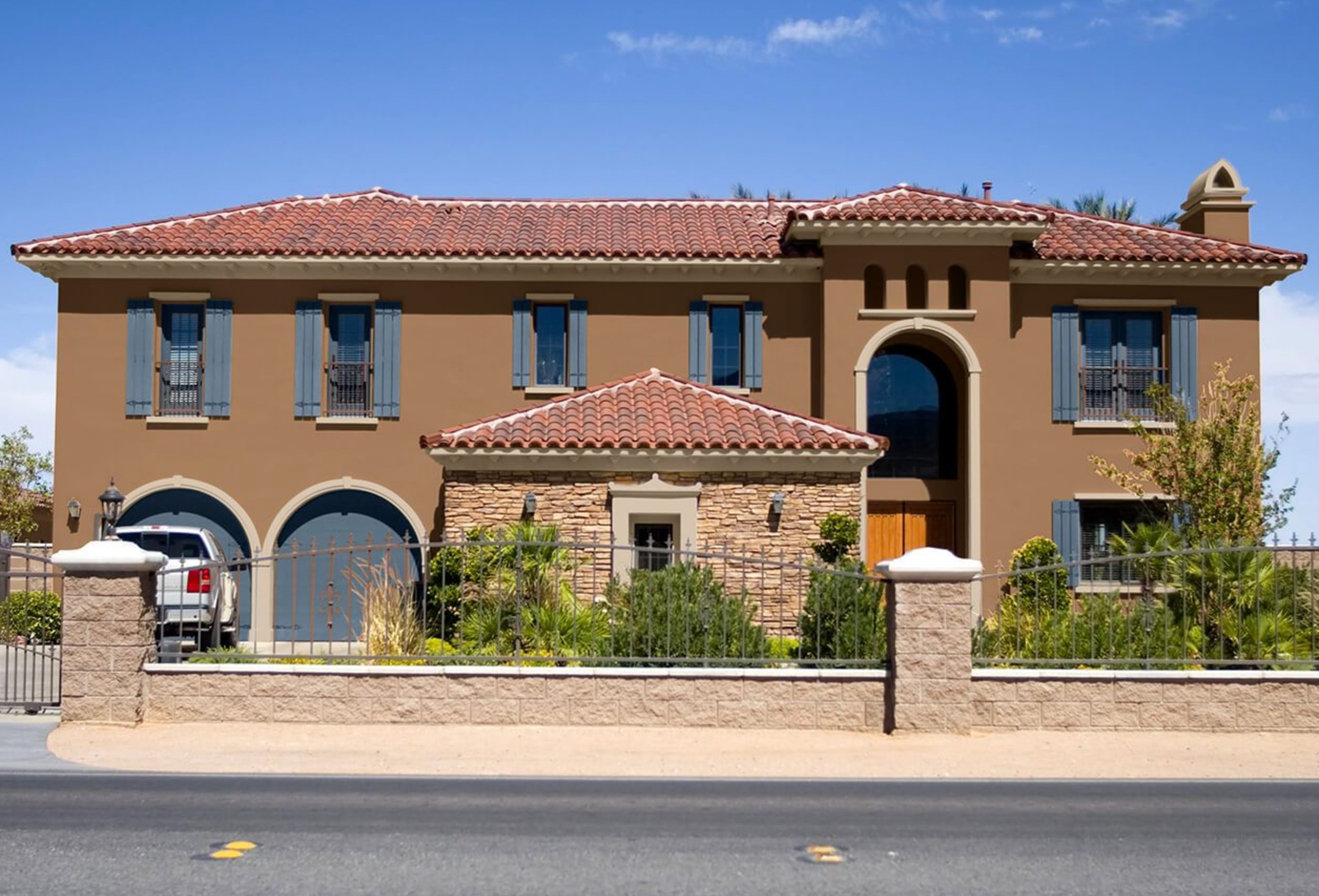
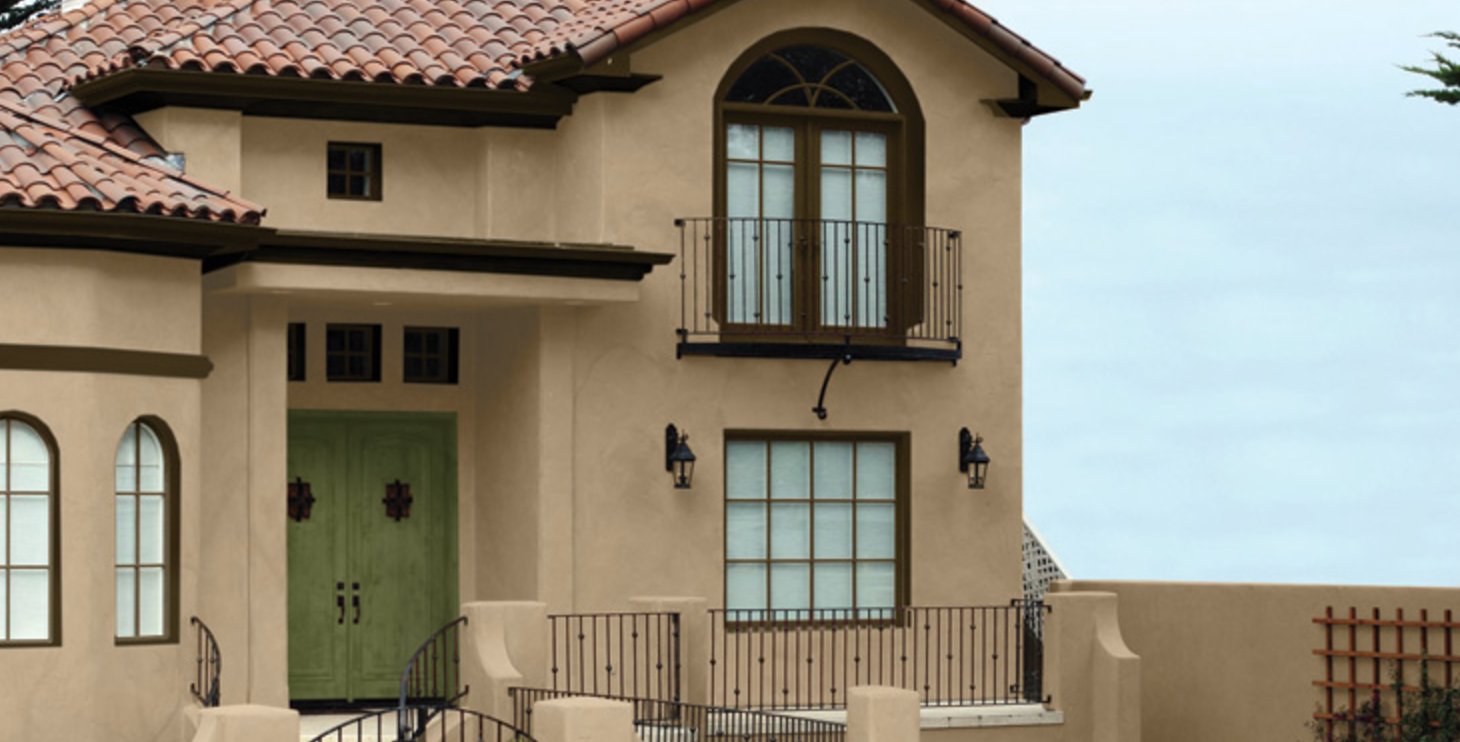
Smokey Topaz is the warmest brown in this group, and it makes the most sense with red roof tiles, sandstone, stucco, and other sun-baked exterior materials. It has a Mediterranean character without sliding all the way into orange.
Direct sun will pull it lighter, so sample it on the brightest wall before you decide. On a flat front elevation, that lighter read can keep the house from looking too dense. Under deep porch shadows, it becomes richer and more grounded.
For hot climates, Smokey Topaz gives more color than white or beige without making the house feel visually scorched. I like it most on larger homes where a pale neutral would look washed out from the street.
4. Latte by Sherwin Williams
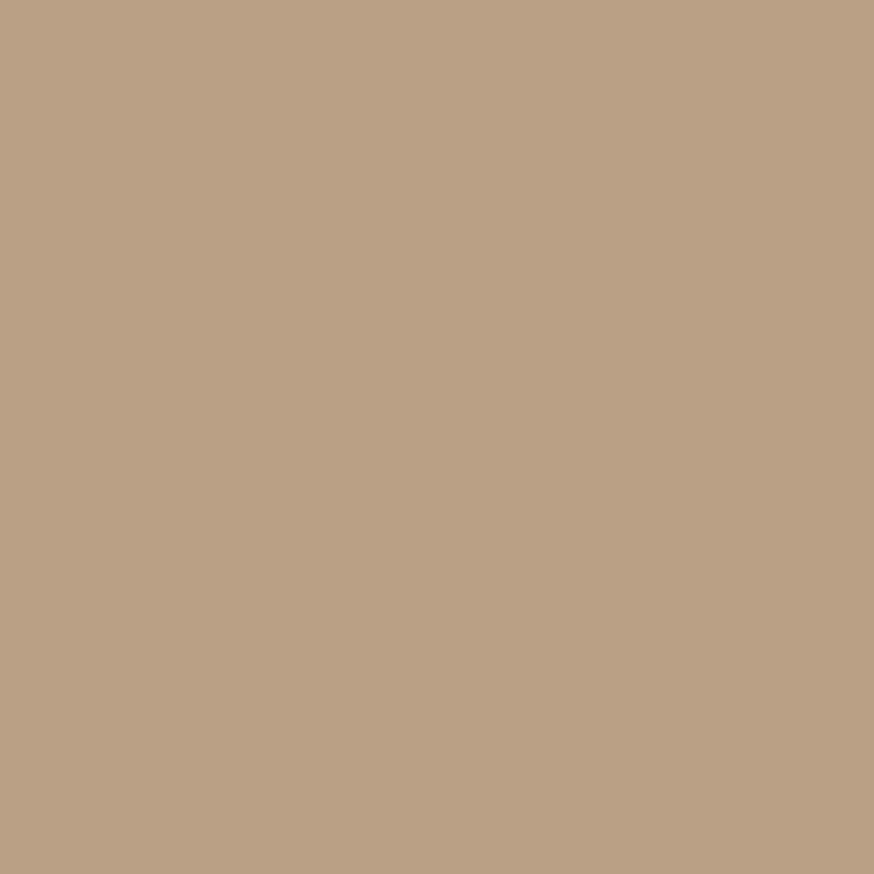
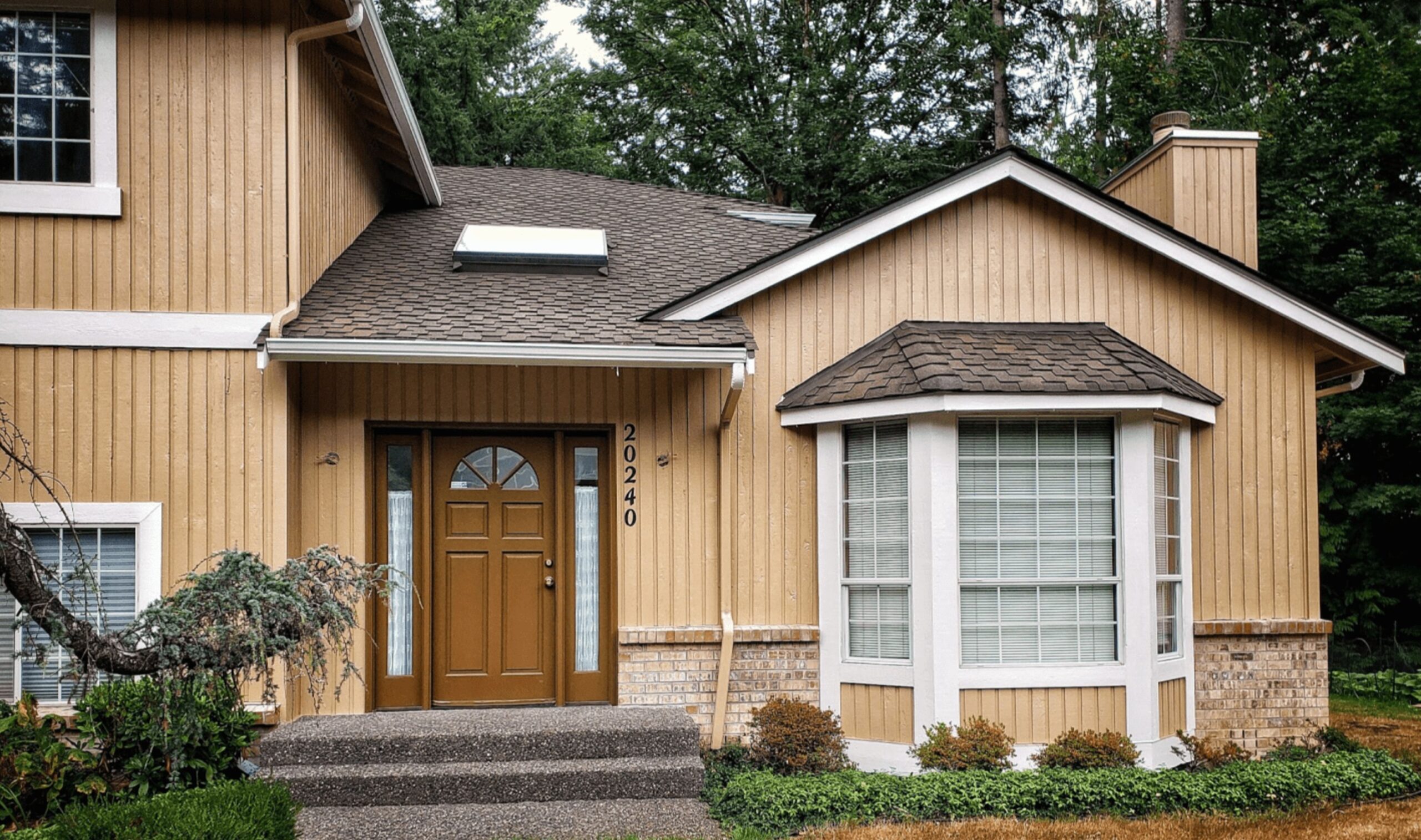
Latte sits on the beige side of brown, so it is useful when a full brown would feel too dark for the neighborhood or HOA. On exteriors, it reads as a warm neutral with sandy undertones.
It is more nuanced on siding than it looks on a chip. Sunlight brings forward the warmth, while shaded walls can show a quieter taupe note. That shift is helpful on homes with several rooflines or deep overhangs.
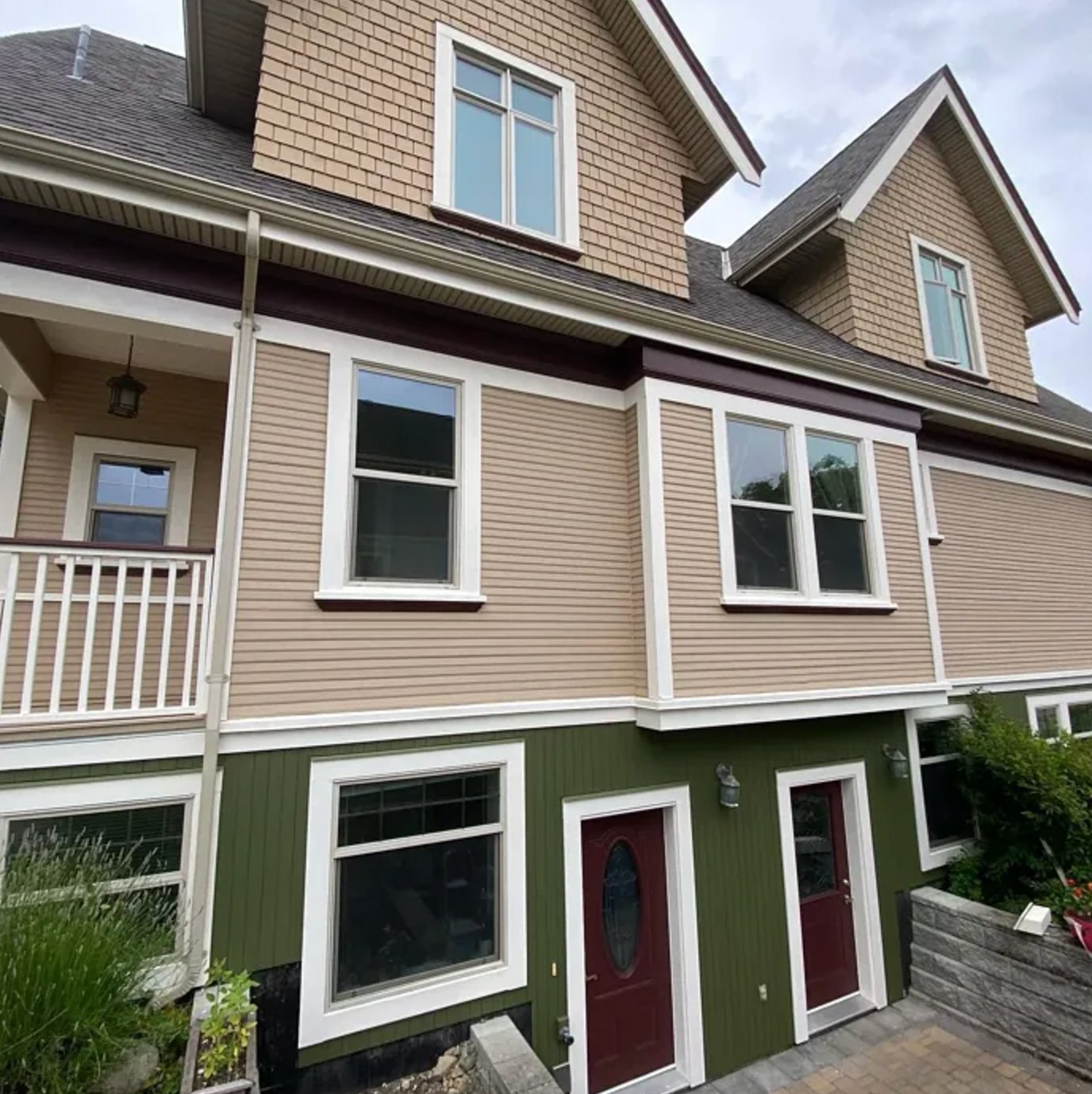
Latte is forgiving on vinyl siding, fiber cement, and stucco because it does not demand high contrast. White trim keeps it clean, while a dark front door or roof gives it enough structure from the curb.
The downside is that Latte can look too safe if every other fixed element is also beige. If the roof, stone, and driveway are all warm neutrals, add contrast with shutters, a front door, or trim instead of relying on the body color to do all the work.
5. Chateau Brown by Sherwin Williams

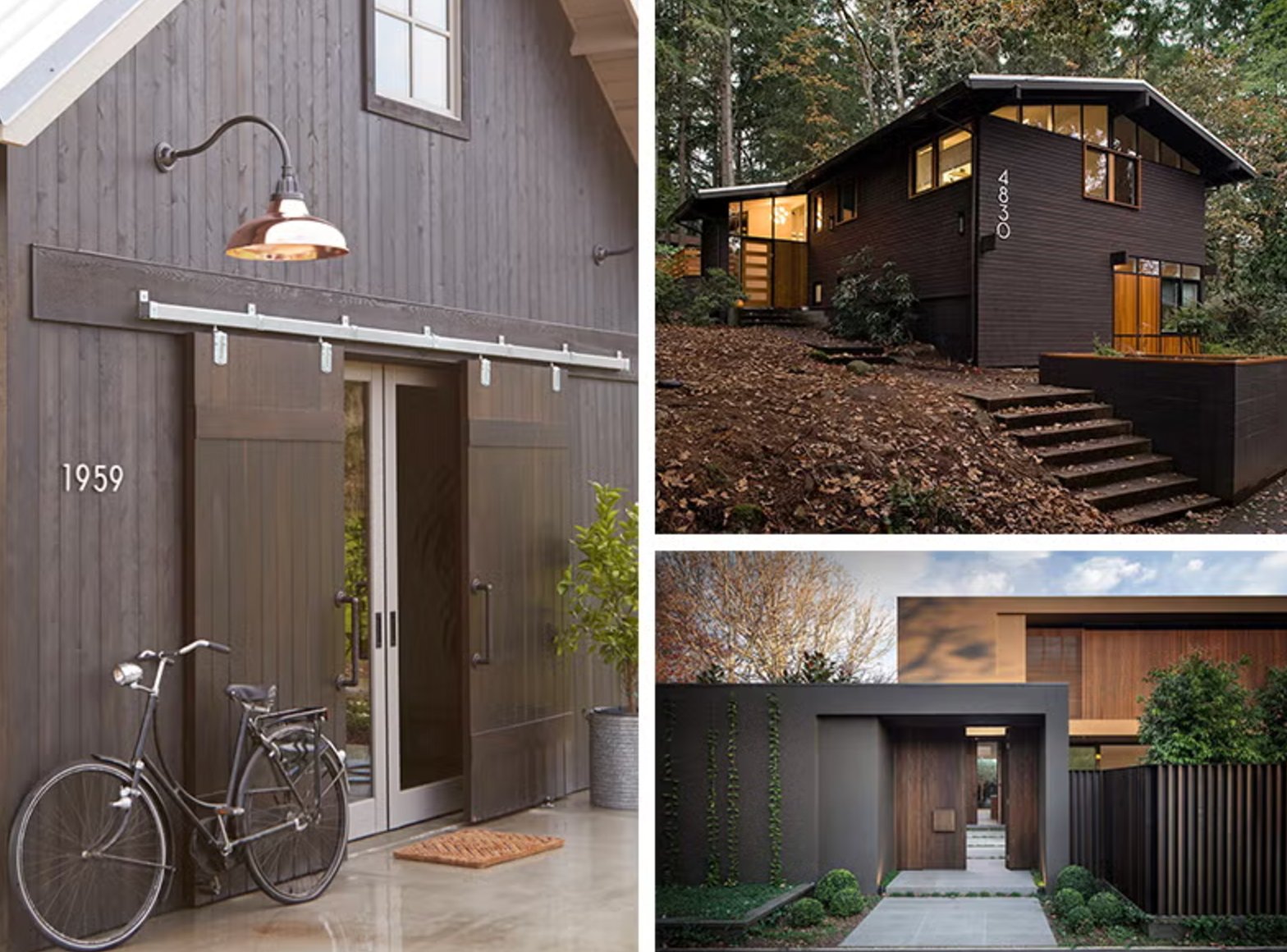
Chateau Brown reads like very dark chocolate with a gray cast, which is why it feels more current than a red-brown stain color. It is a serious body color and needs trim, windows, or masonry that can stand up to it.
Morning light softens it, while evening light can push it toward graphite. That makes it a good candidate for urban homes, modern farmhouse exteriors, and houses with black or charcoal accents.
Use caution on small cottages or shaded lots, because Chateau Brown can make the facade feel smaller. It works best when you have visual relief from glass, metal, stone, or warm wood.
6. Alexandria Beige by Benjamin Moore
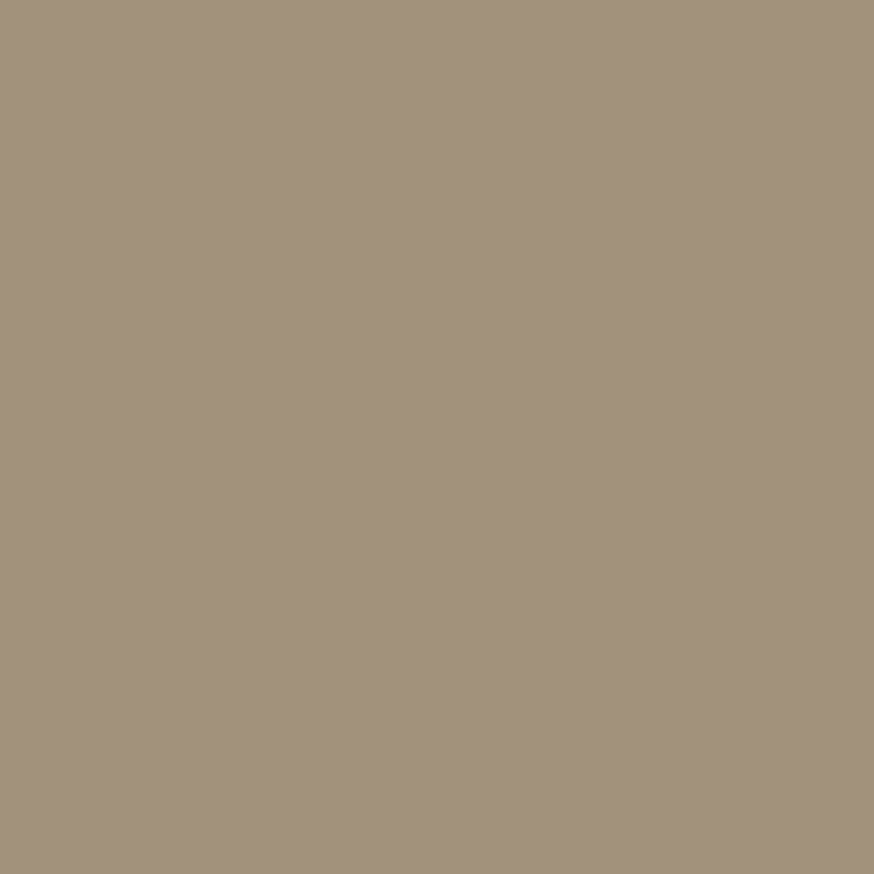
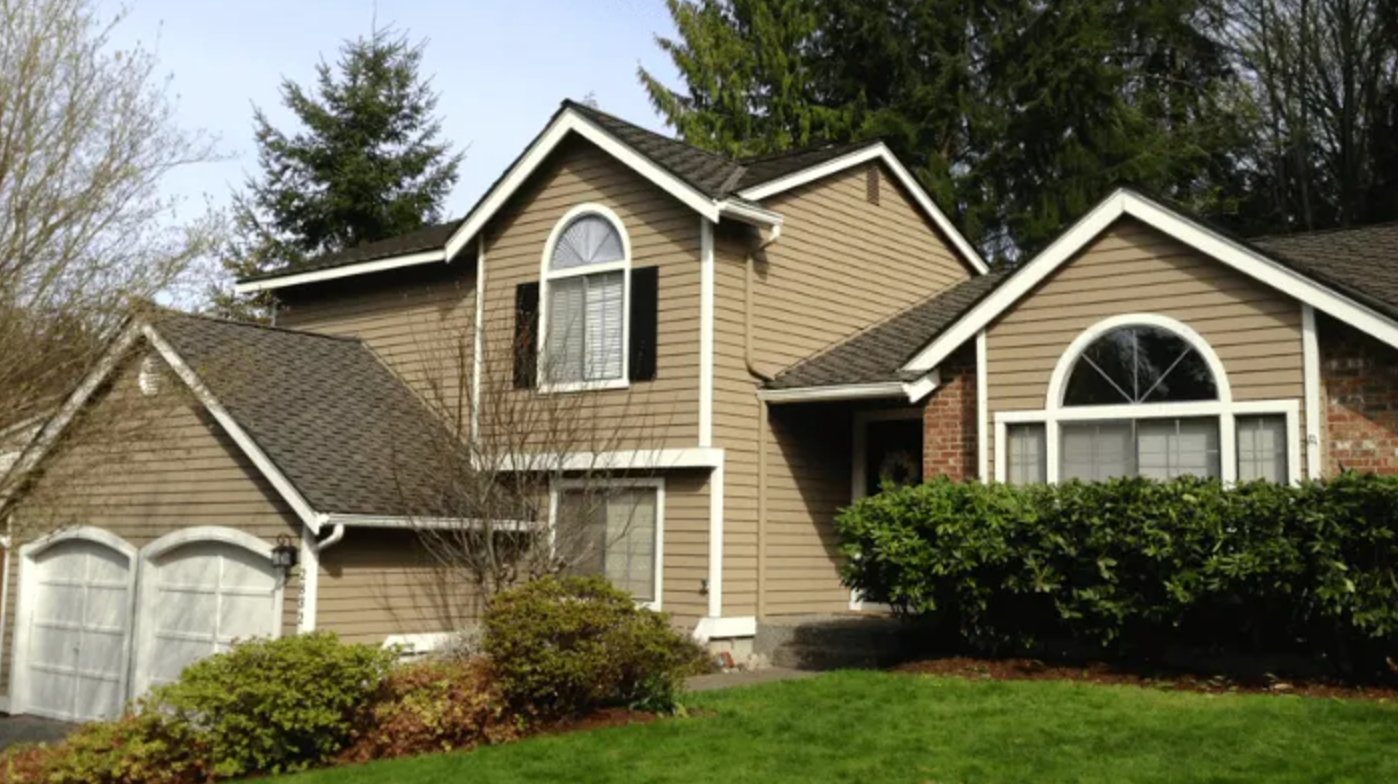
Alexandria Beige is a flexible taupe-brown when you want a neutral facade that still has presence. It pairs especially well with white trim and dark roofing because the body color has enough depth to bridge the contrast.
Alongside brick, Alexandria Beige can soften the transition between painted siding and masonry. I would sample it directly against the brick mortar, not just the brick face, because mortar color often decides whether a taupe looks right.
It is a smart choice for larger houses because it stays lighter than the chocolate browns here, so upper stories do not feel top-heavy. If your trim is cream instead of white, check the sample in afternoon sun to make sure the whole scheme does not turn too yellow.
7. Totally Tan by Sherwin Williams


Totally Tan brings warmth without the orange push that makes some tans hard to use. On traditional homes, it pairs well with white trim and darker details such as wrought iron railings, black shutters, or a deep front door.
Compared with cooler browns, this shade keeps the facade from feeling gloomy. It also avoids the strong yellow cast that can make similar colors look dated. I would use it for classical architecture when the goal is warmth, not a heavy brown statement.
8. Homestead Brown by Sherwin Williams

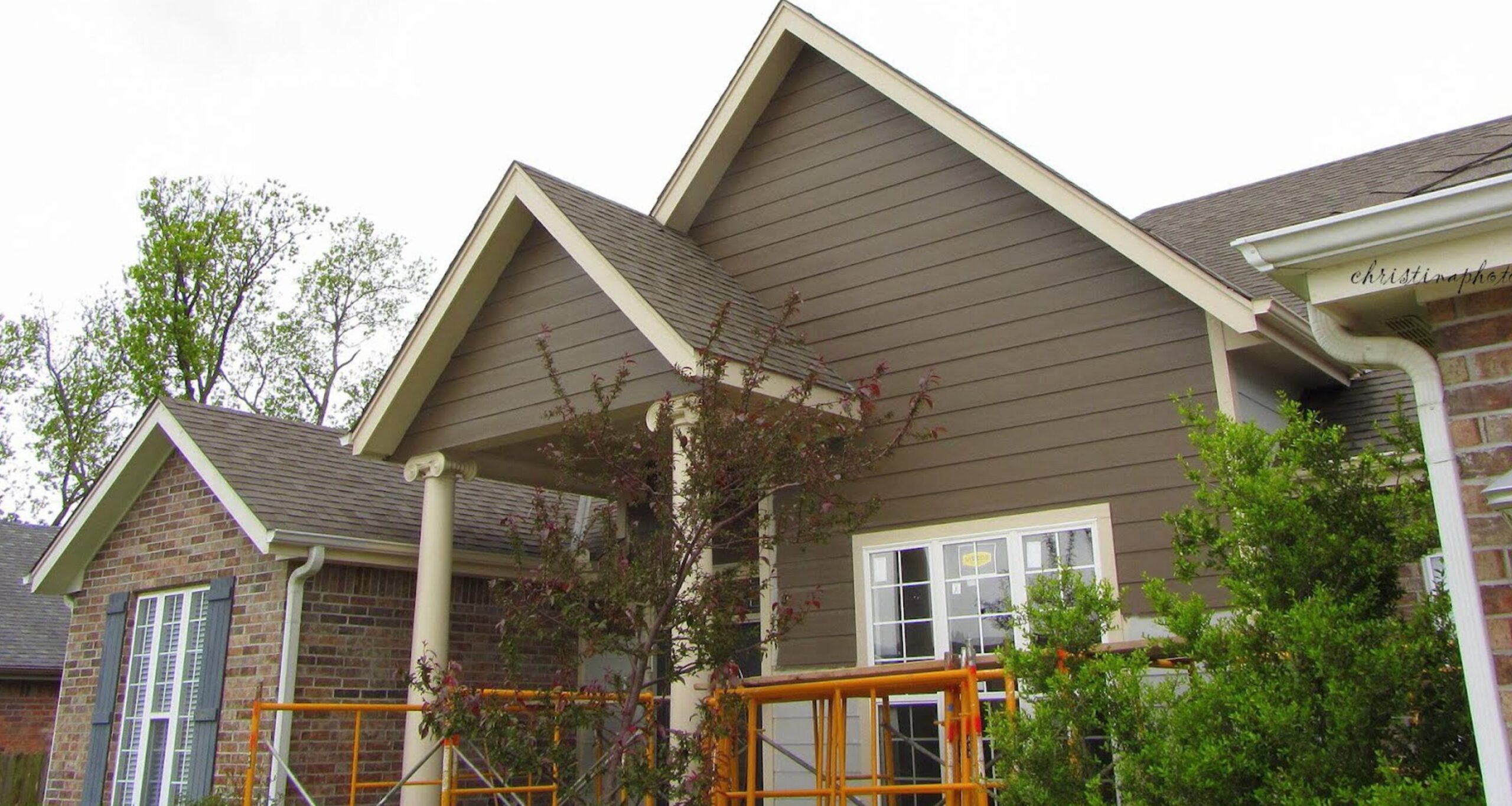
Homestead Brown has the look of dark soil with a touch of gray in it. On an exterior, that gray keeps the color from feeling rustic in the wrong way.
White trim gives Homestead Brown the contrast it needs. Across the facade, it will read deeper in shadows and softer gray-brown where sun hits, so it is worth sampling on more than one side of the house.
This is a strong pick for wooded lots, cabins, lake houses, and Craftsman-style exteriors. I would be careful with a very dark roof, though. If the roof and siding both go too deep, the house can lose its shape from the street.

I'm Elizabeth, your go-to guide for all things paint and design! My days are filled with color swatches and innovative room makeovers. When I'm not painting the town - literally - I'm soaking up inspiration from my travels. This blog is my way of sharing my passion and making the world a more vibrant place, one color palette at a time.