What's the Best Exterior House Paint?
The best exterior house paint is usually a premium 100% acrylic latex matched to your siding, climate, and color choice. A good coating protects the house from moisture, UV exposure, and temperature swings, but the wrong product can fail even when the color looks right on the chip.
I see the same expensive shortcut over and over: homeowners save on paint, then pay for early fading, peeling, or repairs. Investing in professional-grade paint instead of budget options can pay off within just 2-3 years, especially on sun-facing walls and trim that takes daily weather abuse.
Here is how I sort exterior paints when I am looking at a real house, not a shelf label: the weather, the surface, the prep level, the color, and how much repainting the homeowner is willing to tolerate later.
What Makes a Great Exterior Paint?
Weather Impact
Local weather changes the paint choice more than most homeowners expect. A Denver exterior needs a coating that can handle sharp temperature swings and stronger UV exposure. A San Diego house may need better fade resistance, but it usually does not face the same freeze and thaw stress.
Coastal air is its own problem because salt can chew through lower-grade coatings and speed up corrosion on metal details. In mountain areas, I look for serious UV resistance first, then I make sure the painter is not applying paint late in the day when the temperature will drop before the film forms properly.
Material Compatibility
The siding material decides what the paint has to do. Each surface needs its own approach.
Wood siding works best with acrylic latex paints because they allow some movement as the boards expand and contract. Vinyl siding needs formulas rated for vinyl, especially if you are choosing a deeper color, because extra heat absorption can cause warping.
For brick and stucco, the paint has to let moisture escape, or trapped water can blister the coating from behind. On metal railings, doors, and flashing, I want a rust-inhibiting primer or paint system, not just a pretty exterior color over a problem surface.
Durability
Durability comes from resin quality, pigment quality, film thickness, and prep. Premium latex and acrylic paints tend to hold up better because they are built for exterior movement, rain, and UV exposure.
Oil-based paints can feel tough going on, but they often yellow faster in the sun and are less forgiving as the house moves. The number of coats matters too. I almost always specify two coats because one coat rarely gives the same film build or fade resistance, and I will show you a good field example below.
Surface prep is the part no paint can rescue. Even top-of-the-line paint will fail early on chalky siding, mildew, loose old paint, or glossy trim that was never scuffed.
Drying Time
Drying time affects the labor schedule, the weather window, and the final film. This is where many exterior jobs go wrong even when the paint itself is good.
Oil-based paints need about 6-8 hours to dry, while latex and acrylic are quicker at 4-6 hours. Full curing can take days, especially when it is humid out.
I learned this the hard way on a porch after the second coat went on too soon and the finish had to be redone. Now I check the forecast for temperature, humidity, dew point, and overnight lows before I trust the recoat time on the label.
Cool weather is not just uncomfortable for the crew. Some paints will not form a proper coating below their minimum application temperature, so a low-temperature product matters for spring and fall projects.
Best Exterior Paints and Why
1) Benjamin Moore Element Guard
Element Guard is the paint I look at when the weather window is tight. If rain moves in sooner than planned, this product is built to handle moisture exposure much better than a standard exterior paint.
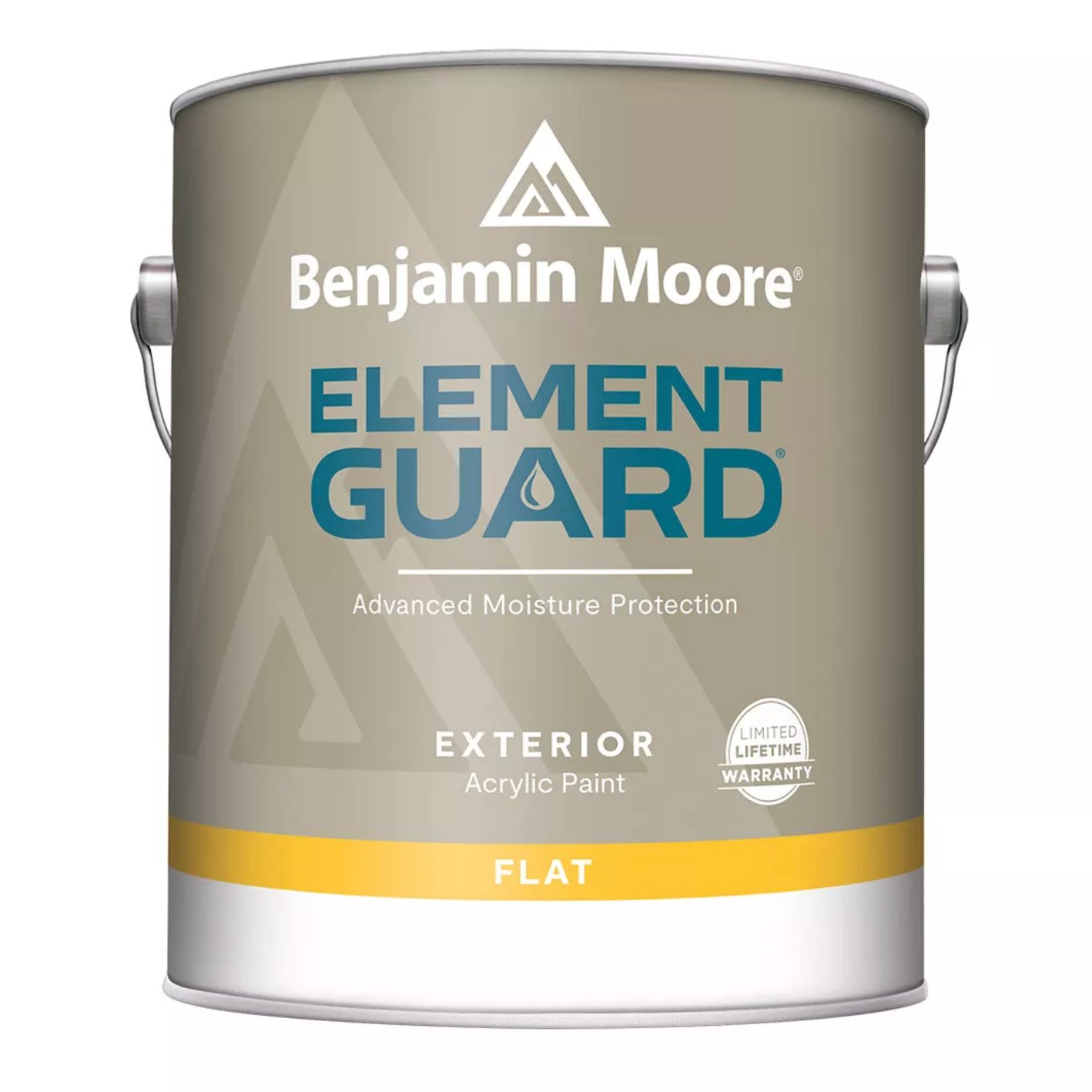

It bonds well to wood, vinyl, stone, and several other exterior surfaces. Being able to paint in temperatures as low as 35°F gives painters more usable days in early spring and late fall. Its 100% acrylic formula helps resist cracking and peeling, and the mildew resistance is useful in humid areas or on shaded elevations.
The honest tradeoff is cost. I would rather spend that money on Element Guard for a damp climate, a shoulder-season project, or a house with mixed siding than use it automatically on every easy summer repaint.
2) Benjamin Moore Regal Select

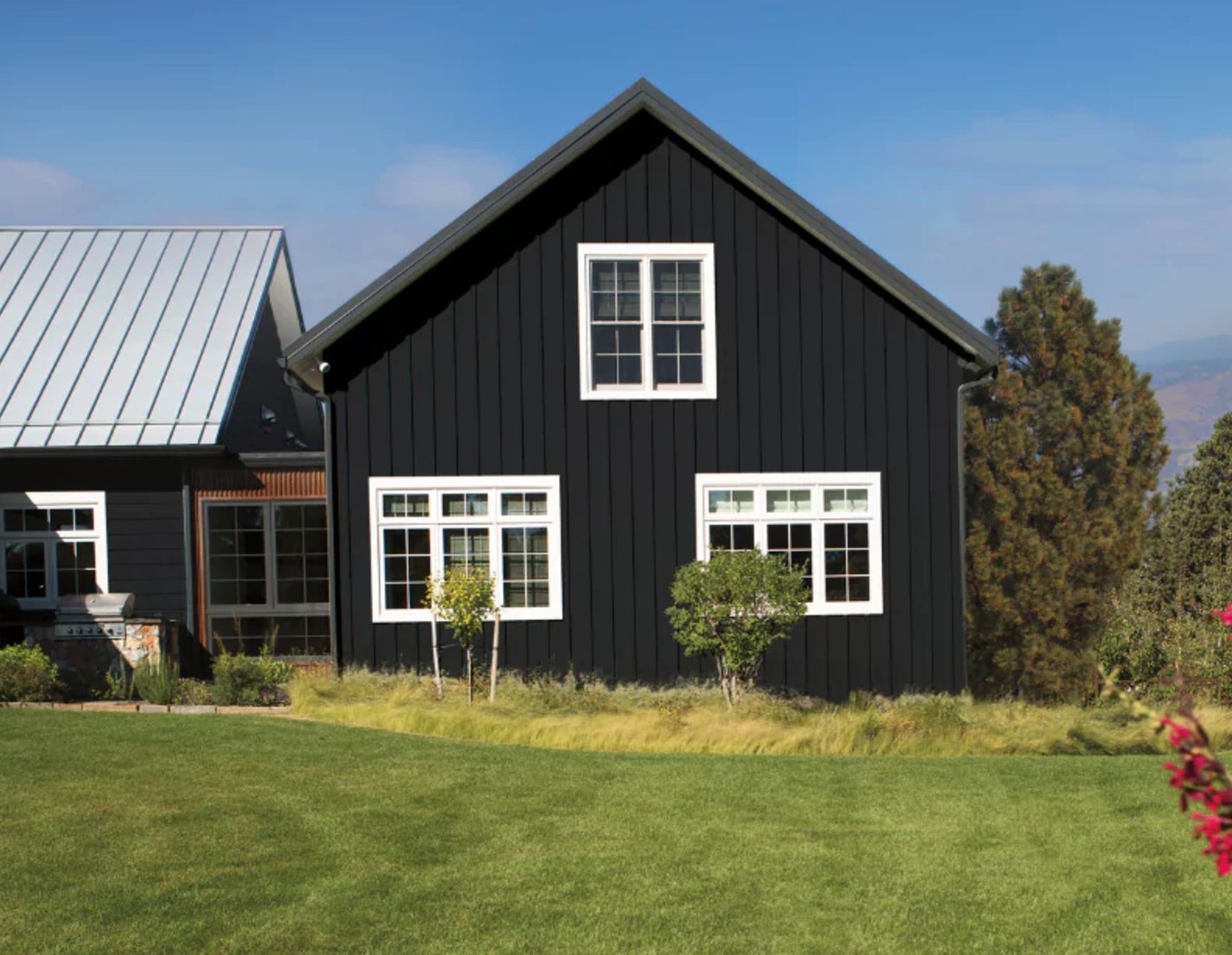
Regal Select earns its place when the surface is not perfectly smooth. The high-build version goes on thick enough to soften small surface flaws, and it is a strong option for aluminum siding that gets a lot of weather.
I like it for tiny hairline cracks and older siding that needs a more forgiving finish. It also lets the surface breathe, so moisture has a better chance of escaping instead of pushing the paint off from behind.
3) BEHR PRO e600
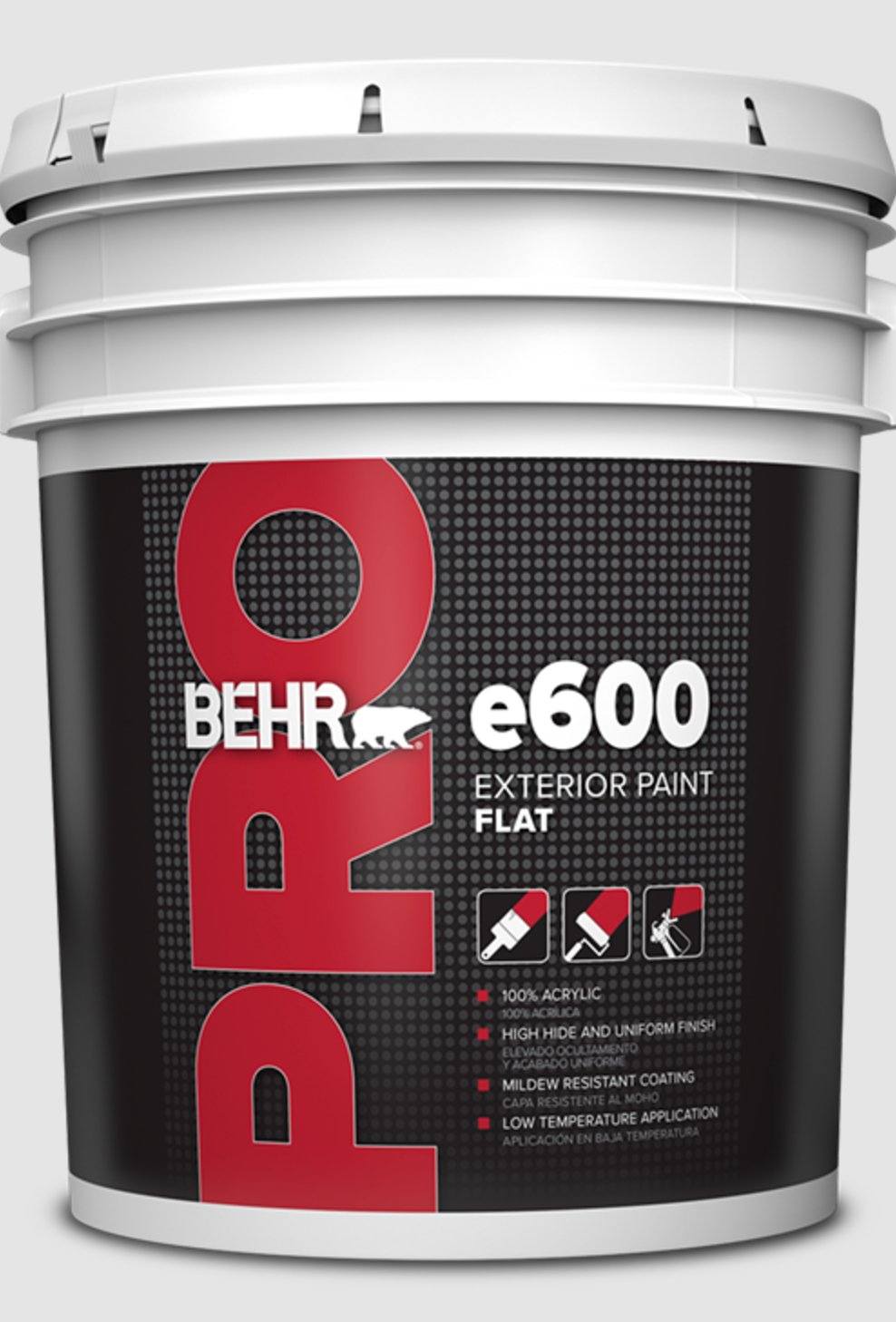
E600 makes sense for large projects where speed, coverage, and budget all matter. It has good open time, so lap marks are less likely when a crew is working across long walls.
It spreads smoothly and does not punish every small difference in roller pressure. Dirt resistance is another practical point, because a washable coating can keep a light exterior from looking tired after one dusty season.
I often suggest this one for contractor-led jobs where the painter needs a forgiving product and the homeowner still wants respectable color retention. The price point helps on big square footage, though I would move up a tier for severe coastal exposure or a very dark color on full sun siding.
4) Sherwin-Williams Emerald
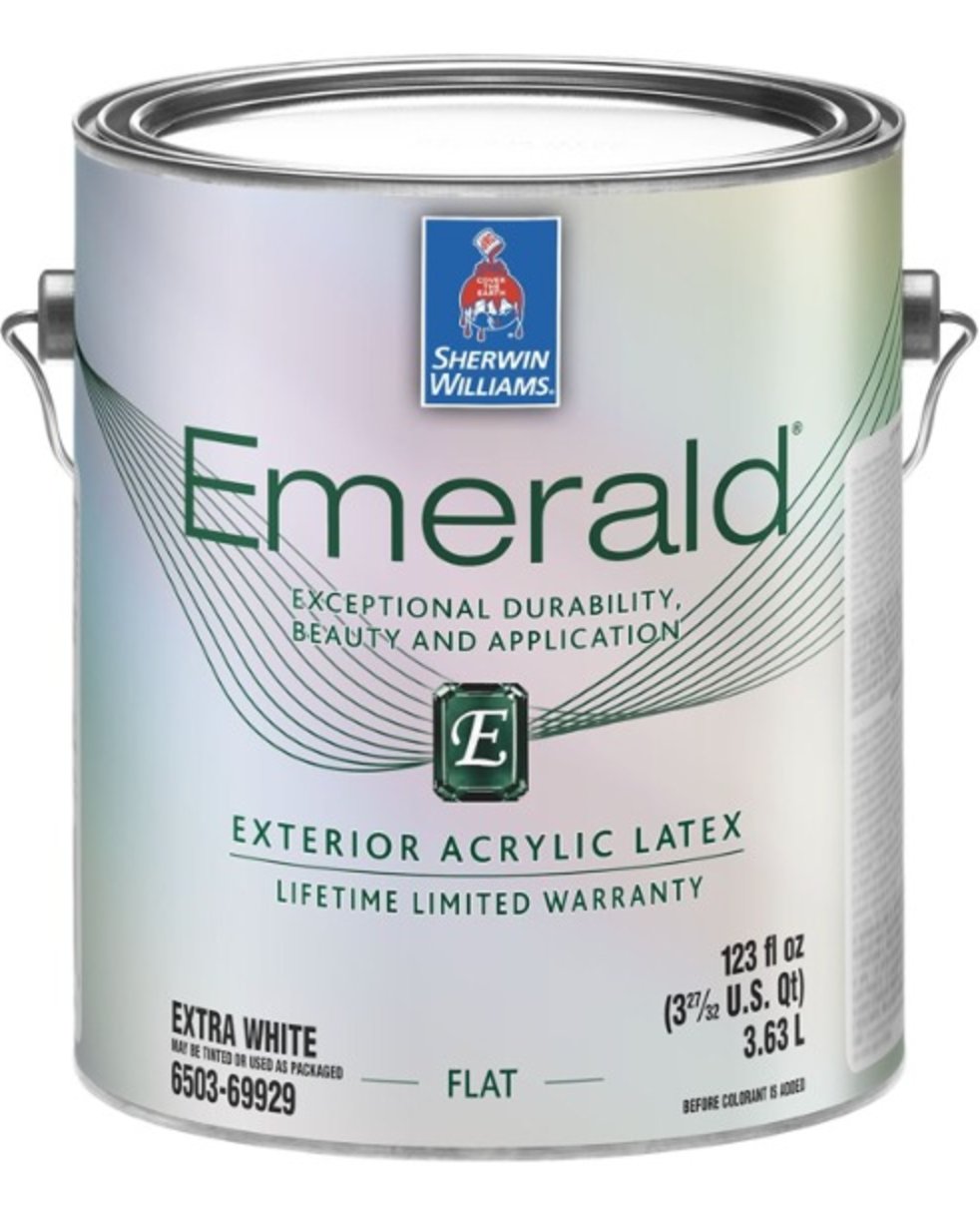
Emerald is a paint and primer product, which can simplify the job when the existing surface is sound. On wood siding, it levels well and can make slightly rough boards look cleaner without pretending prep is optional.
I like Emerald in humid climates because its mildew resistance is better than many mid-tier paints. Clients who used it on sun and rain exposed elevations have reported strong color retention after several seasons, but I still prefer a dedicated primer on bare wood, patched areas, or stained sections.
5) Benjamin Moore Aura
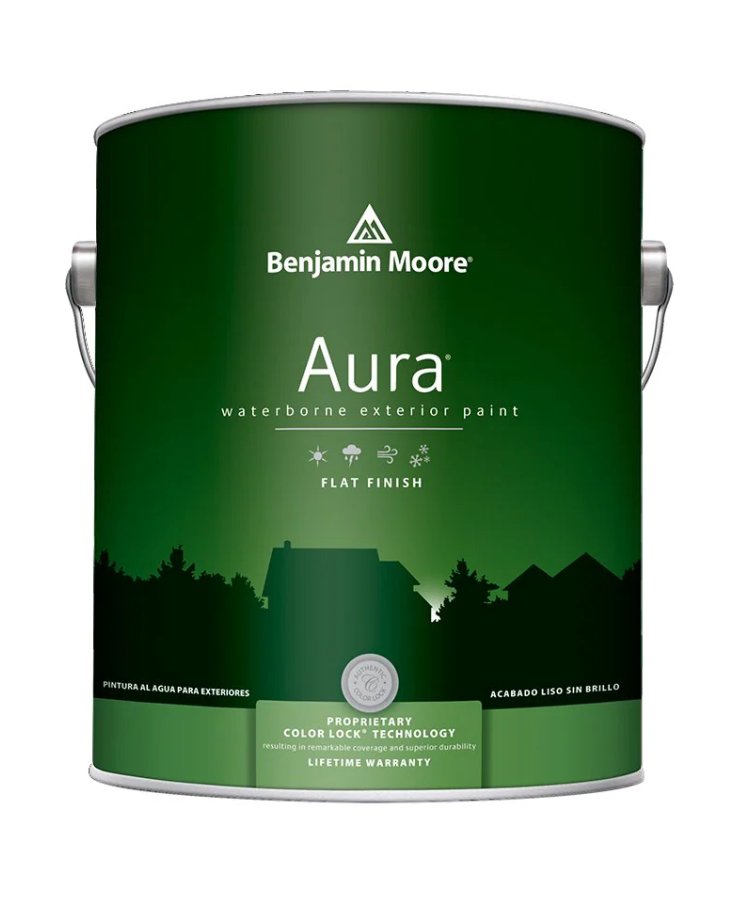
The Color Lock technology in the Aura line is the reason I consider it for color-heavy exteriors. It holds saturated colors well over time, and it can be applied in cooler weather down to 40°F.
Aura also has the kind of breathable film I want on houses where moisture management matters. It lets vapor escape while still resisting rain, which reduces the risk of bubbles and peeling when the substrate is properly prepared.
6) Sherwin-Williams SuperPaint

SuperPaint with VinylSafe technology is the practical pick when a homeowner wants to repaint vinyl siding without staying trapped in the original color family. The VinylSafe palette gives you over 100 shades, which matters because ordinary dark paint can overheat vinyl.
It flows well by brush and roller, so touch-ups and trim work do not call attention to themselves. It also resists dirt and mildew, holds color well, and cleans up without needing aggressive scrubbing.
One vs Two Coats: Three-Year Experiment
A useful experiment by The Paint Pals shows why the second coat matters. They laid painted samples flat under direct sun for 3 years, which is harsher exposure than most vertical house walls get.
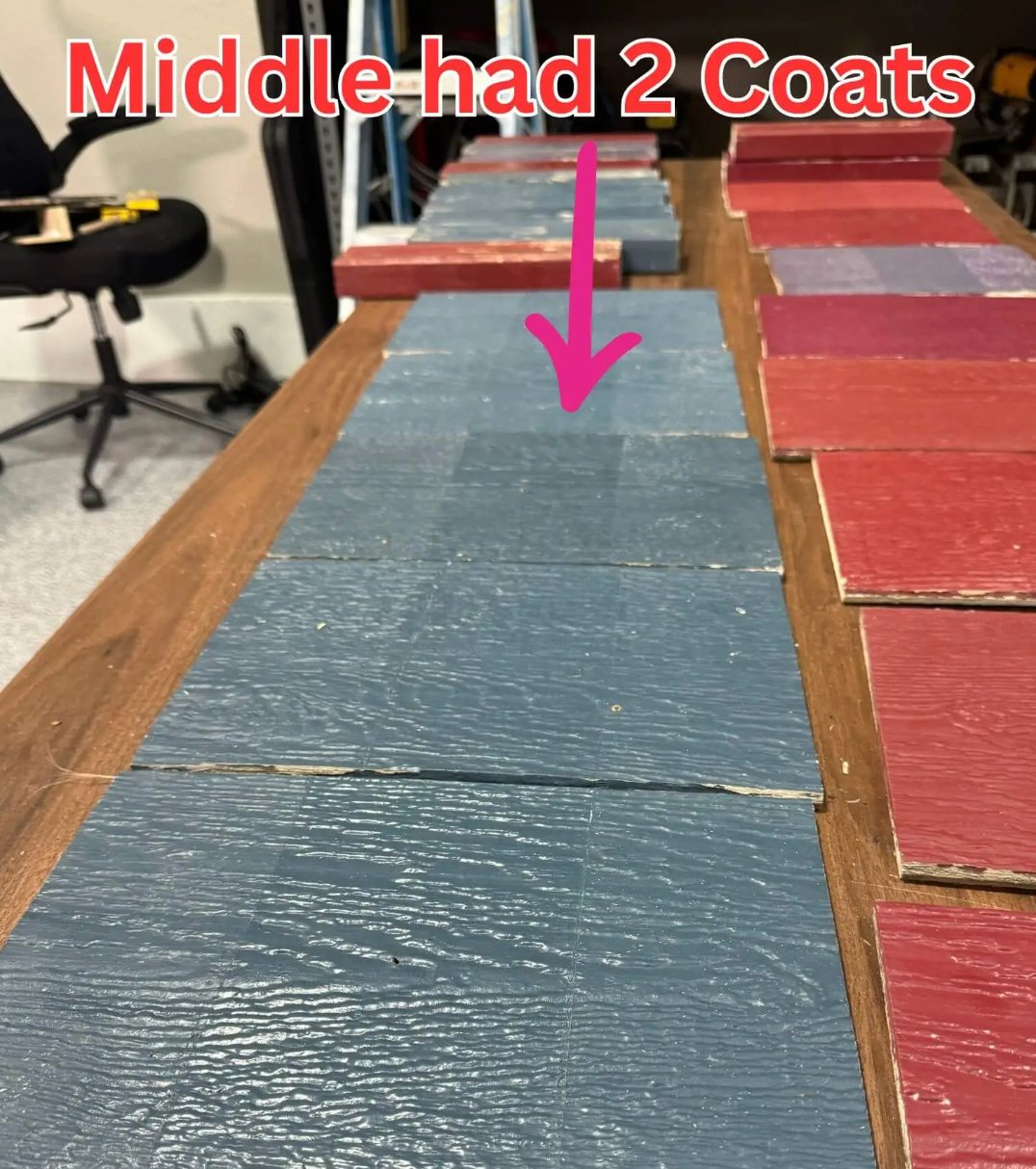
They painted one sample with a single coat and another with two. The blue with two coats held up much better, especially where the sun exposure was strongest.
I used to go back and forth with clients about paying for the second coat. Now I show the experiment photos because they make the tradeoff easy to understand.
Even lifetime-warranty paints can fade on horizontal surfaces. A second coat does not stop fading completely, but it gives the paint more film build and slows the process.
Choosing the Right Color
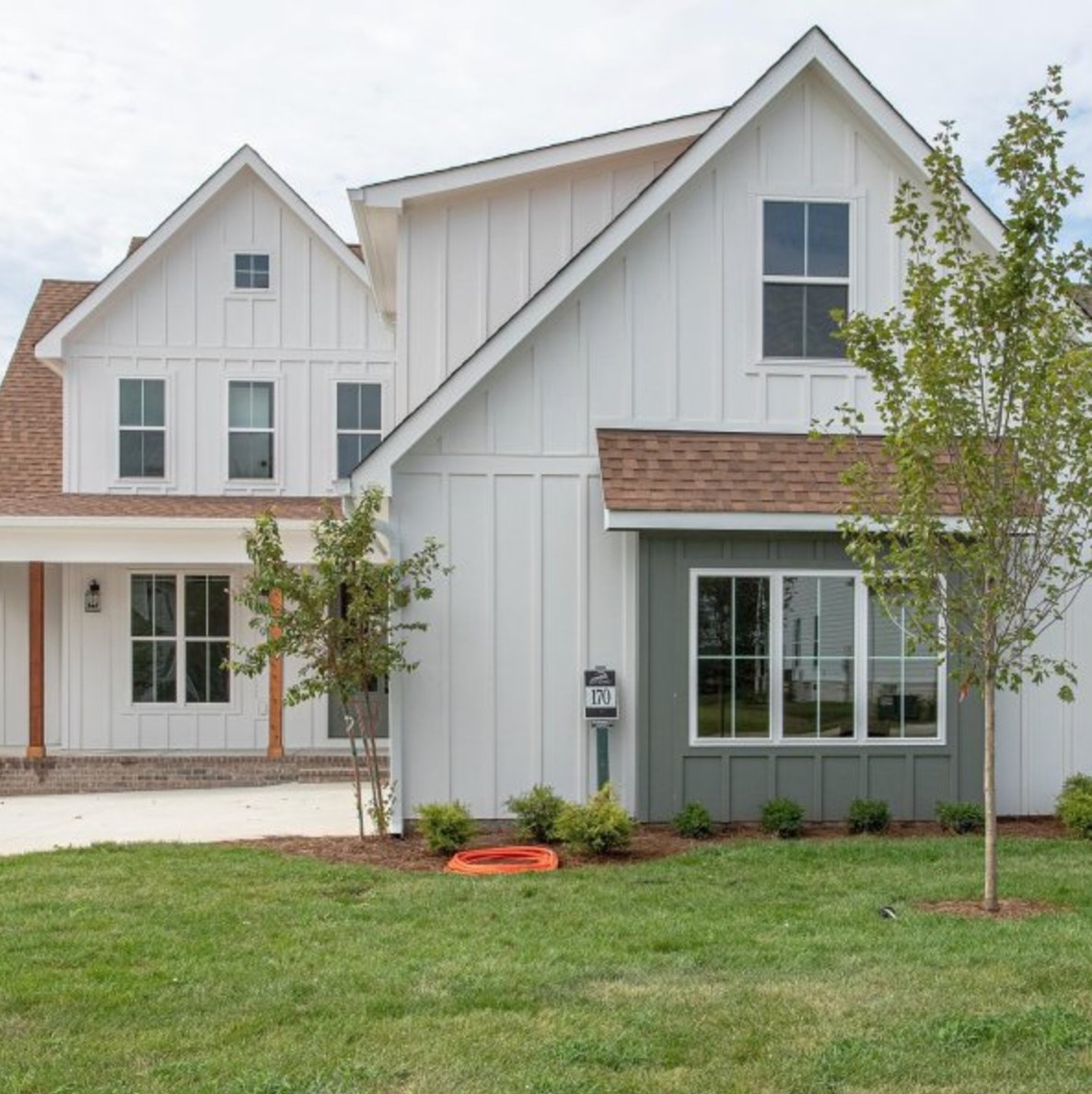
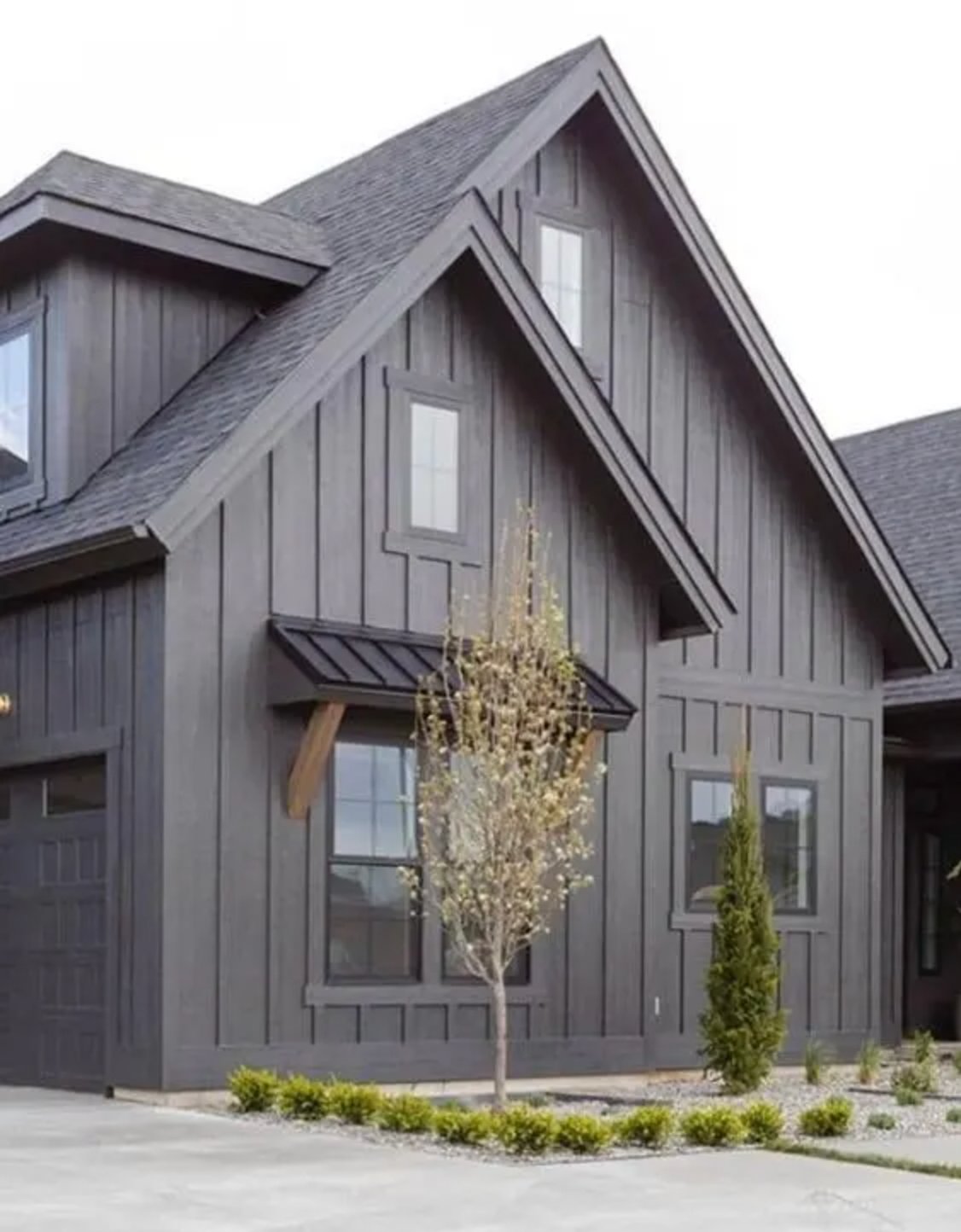
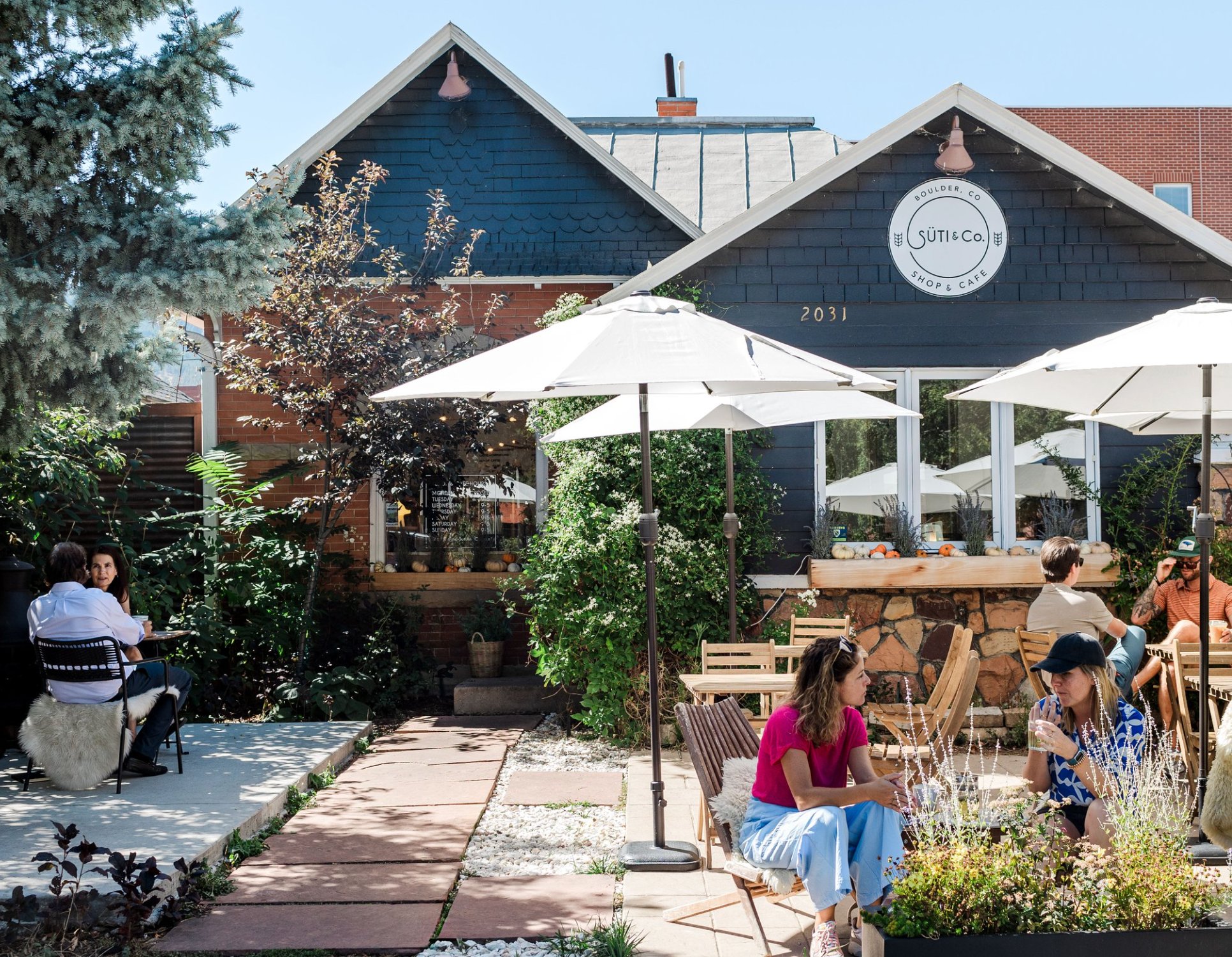
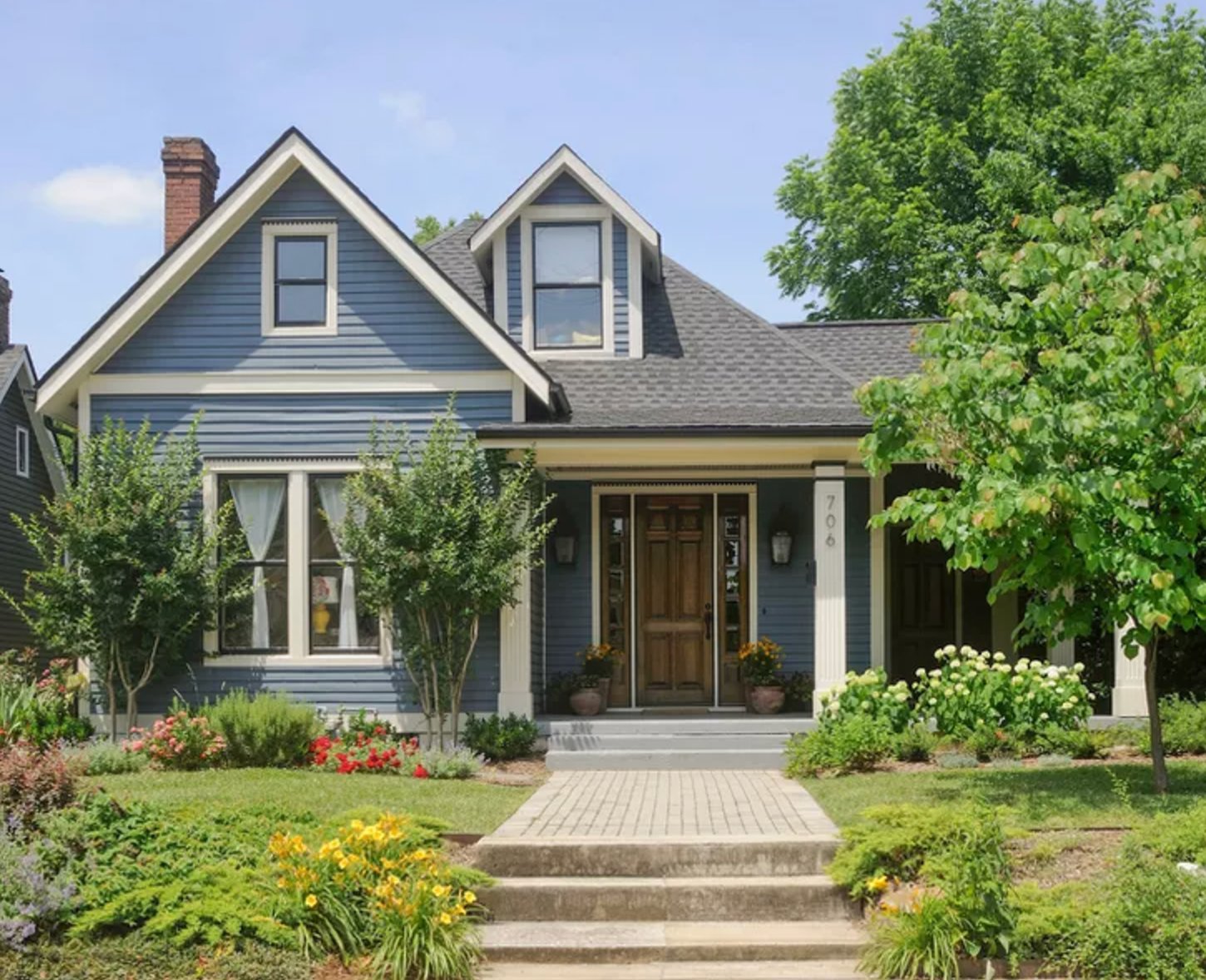
Exterior color should be chosen after you look at the roof, stone, brick, landscaping, and fixed trim. I put about 70 different exterior looks in one of my articles if you need a starting point. For narrower palettes, I also have deeper guides to brown and green exterior colors.
After working on houses in different climates, I have learned that color is not just about looks.
Dark colors absorb more heat, so they can shorten paint life and create problems on vinyl or marginal siding. Glossy finishes are easier to clean, but they show bumps, nail heads, and uneven repairs. Matte finishes hide more flaws, but they collect dust faster and may need gentler washing.
Before you fall in love with a color, check what your local building codes say.
Some neighborhoods are strict about exterior palettes, and I have seen homeowners lose time because they sampled colors before checking HOA or historic district rules. Approval requirements can affect the body color, trim, shutters, front door, and even sheen.
Then look at the house style and the nearby homes. A color can be beautiful on its own and still feel wrong if it fights the roof, the masonry, or the rhythm of the block.

I'm Elizabeth, your go-to guide for all things paint and design! My days are filled with color swatches and innovative room makeovers. When I'm not painting the town - literally - I'm soaking up inspiration from my travels. This blog is my way of sharing my passion and making the world a more vibrant place, one color palette at a time.