The Best Interior Paints for 2026
My short answer: Farrow & Ball has the best color depth, Benjamin Moore is the safest premium all-around choice, and Sherwin-Williams is the easiest premium brand to buy, match, and touch up later.
After years of working with interiors, I've painted countless walls and tested dozens of paint brands, from high-end lines to budget cans from the hardware store. Paint selection gets confusing because every brand now has a separate product for bathrooms, trim, ceilings, rental refreshes, and high-traffic rooms.
The brand matters, but the specific line matters more. A beautiful wall paint can be a poor trim paint, and a tough hallway paint can look too shiny in a bedroom. Here is how I would choose among the major interior paint brands for real rooms, real budgets, and normal home maintenance.
1. Farrow and Ball
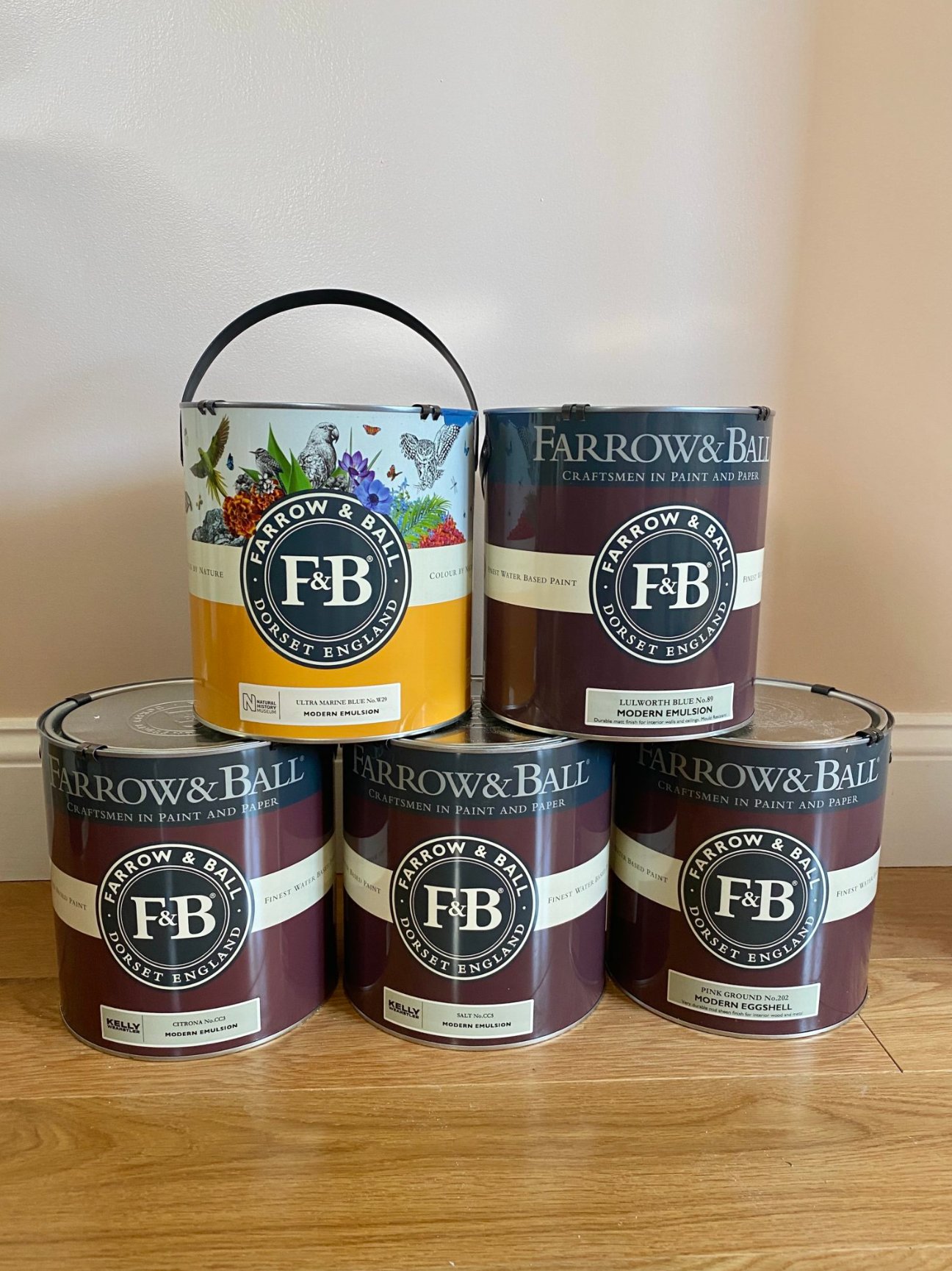
Farrow & Ball is the brand I reach for when the color itself is the point of the room.
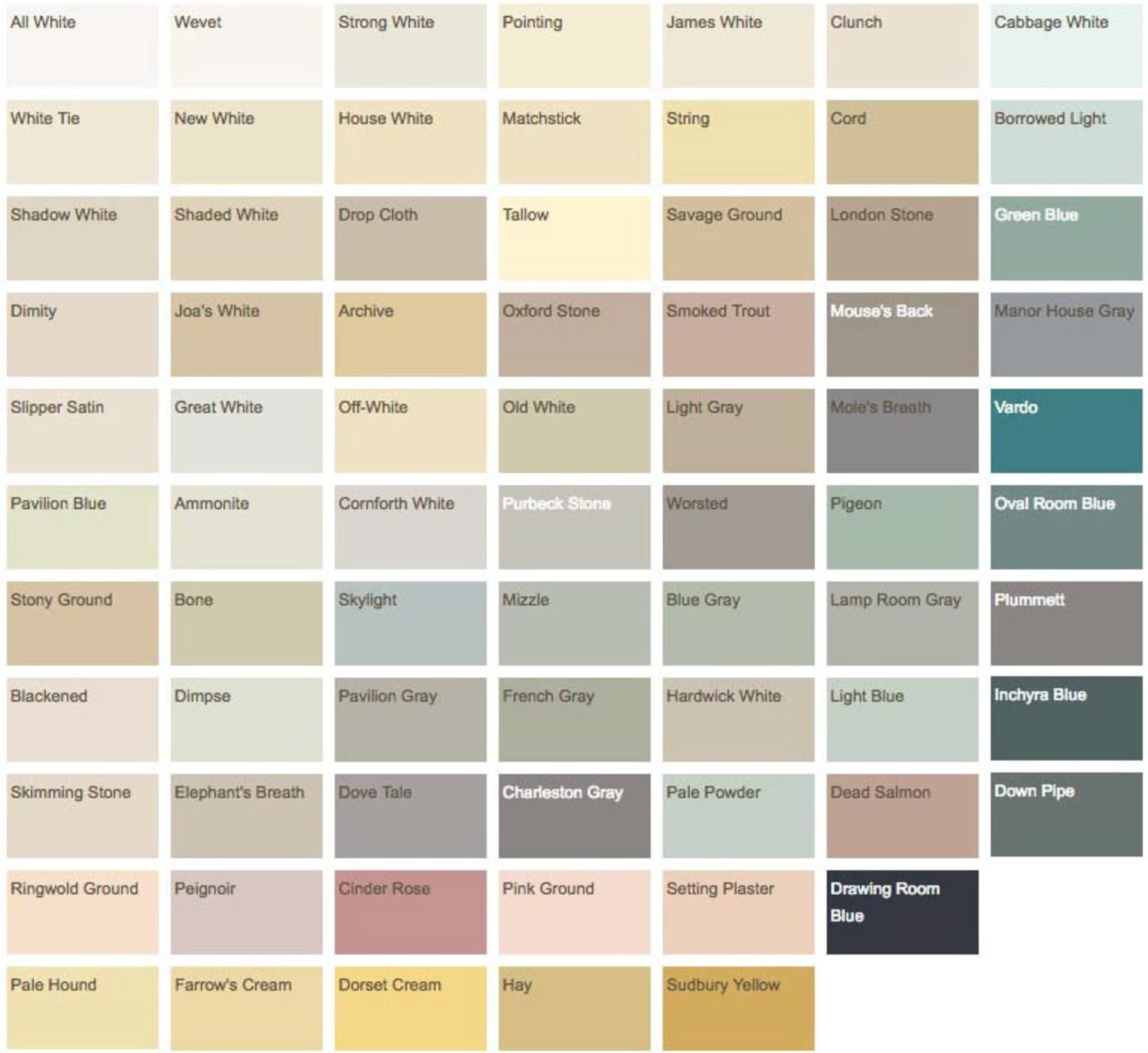
This British brand has been making paint since 1946, and the color depth comes from a high concentration of pigments and premium ingredients. The palette has only 132 shades, which sounds limiting until you have spent an hour in front of a 3,500-color fan deck. The editing is part of the value.
What makes Farrow & Ball stand out to me:
Their signature colors have real complexity. Hague Blue and Elephant's Breath are the kind of colors that shift in a way cheap matches rarely capture. Even the historical names, including Dead Salmon, tell you these colors were made as a tight collection, not as an endless color wall.
For interiors, they offer two main ranges: Estate, a soft matte finish I would use in bedrooms and living rooms, and Modern, the better choice for kitchens, hallways, and rooms that need more wipeability.
Application is one of the reasons painters tolerate the price. It rolls smoothly, keeps a wet edge, and usually covers in one coat when the wall is properly prepped. The formulas are eco-friendly and made without plasticizers, which matters most in older homes where breathable walls are not just a nice idea.
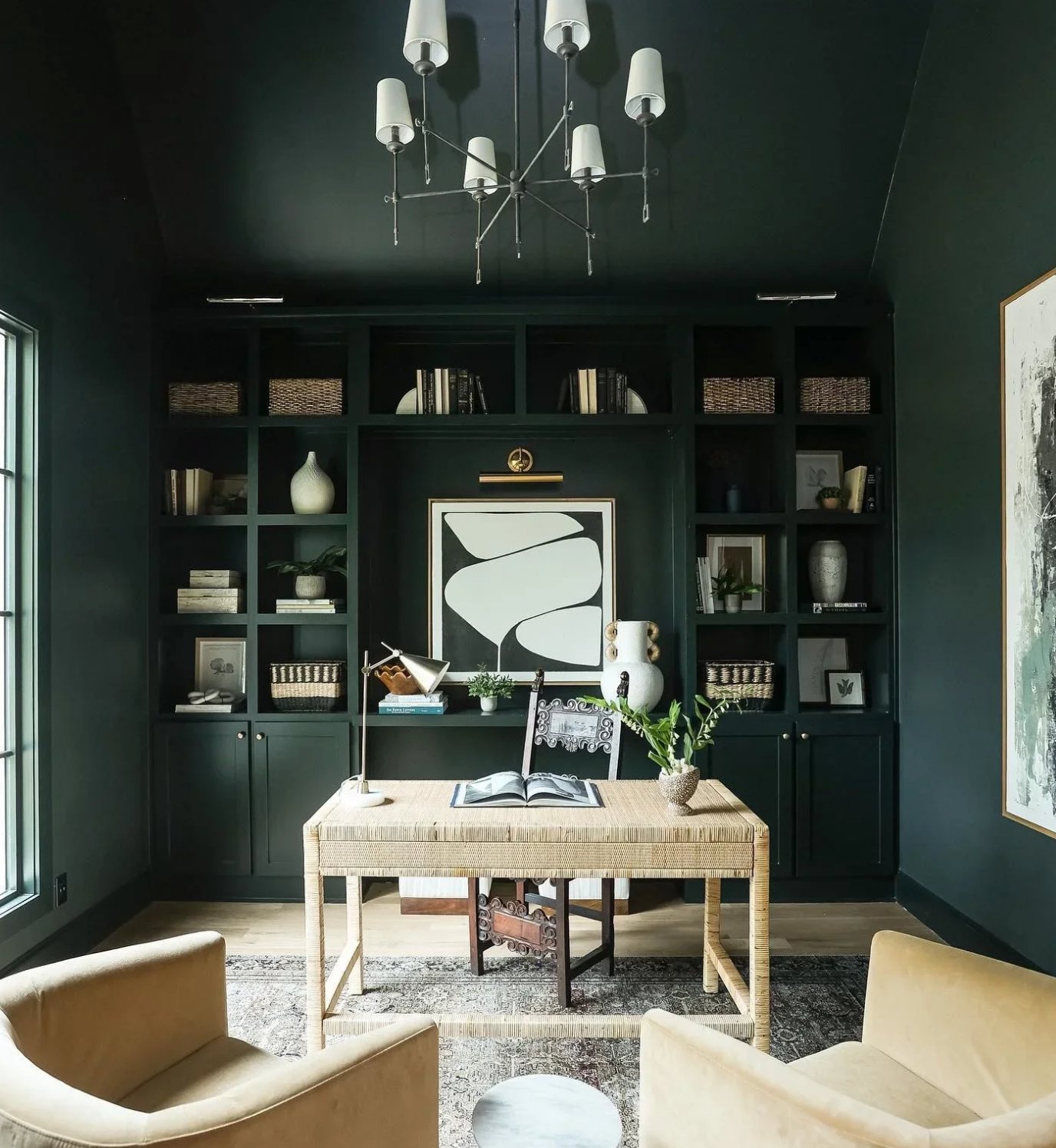
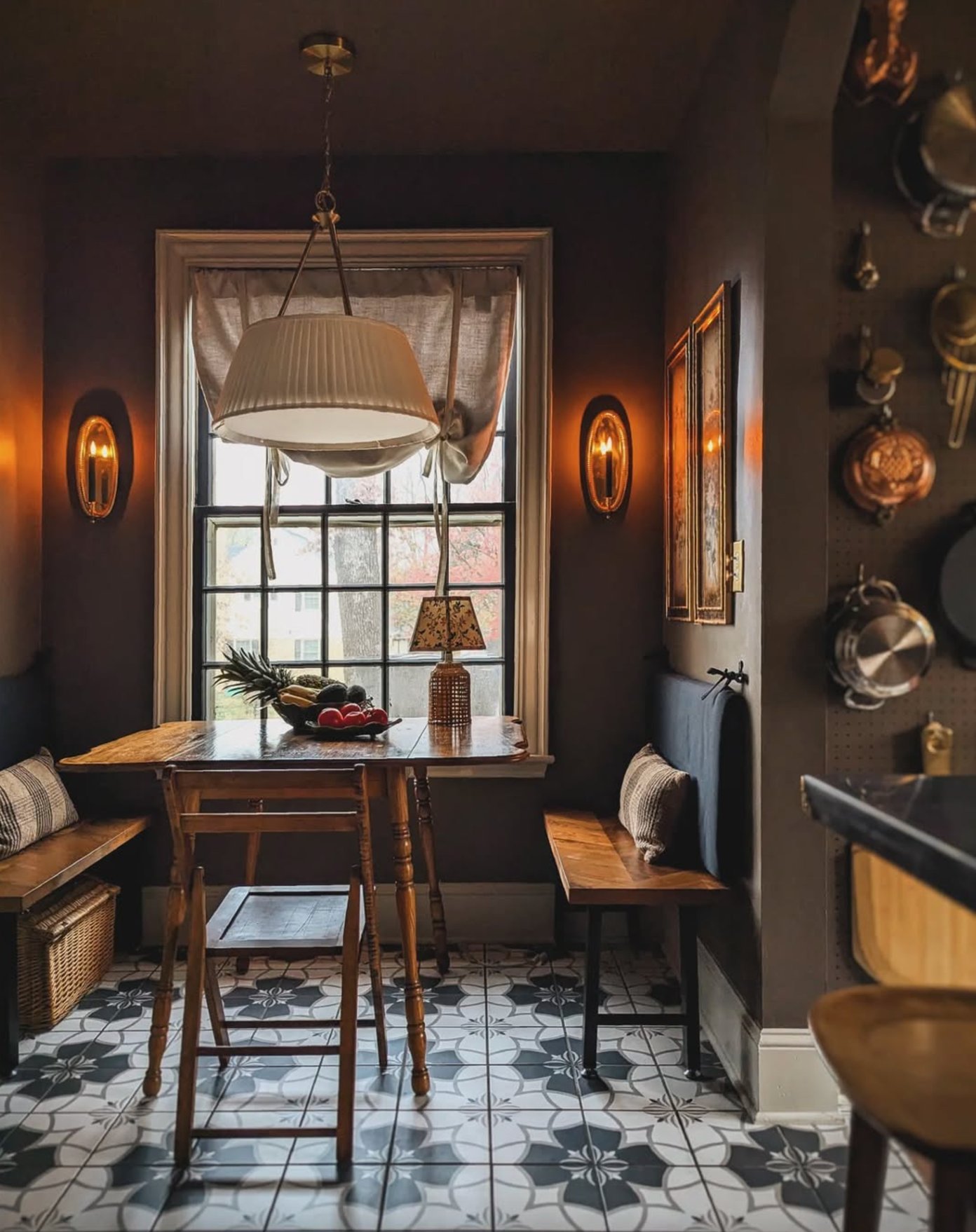
Studio Green by Farrow & Ball
source
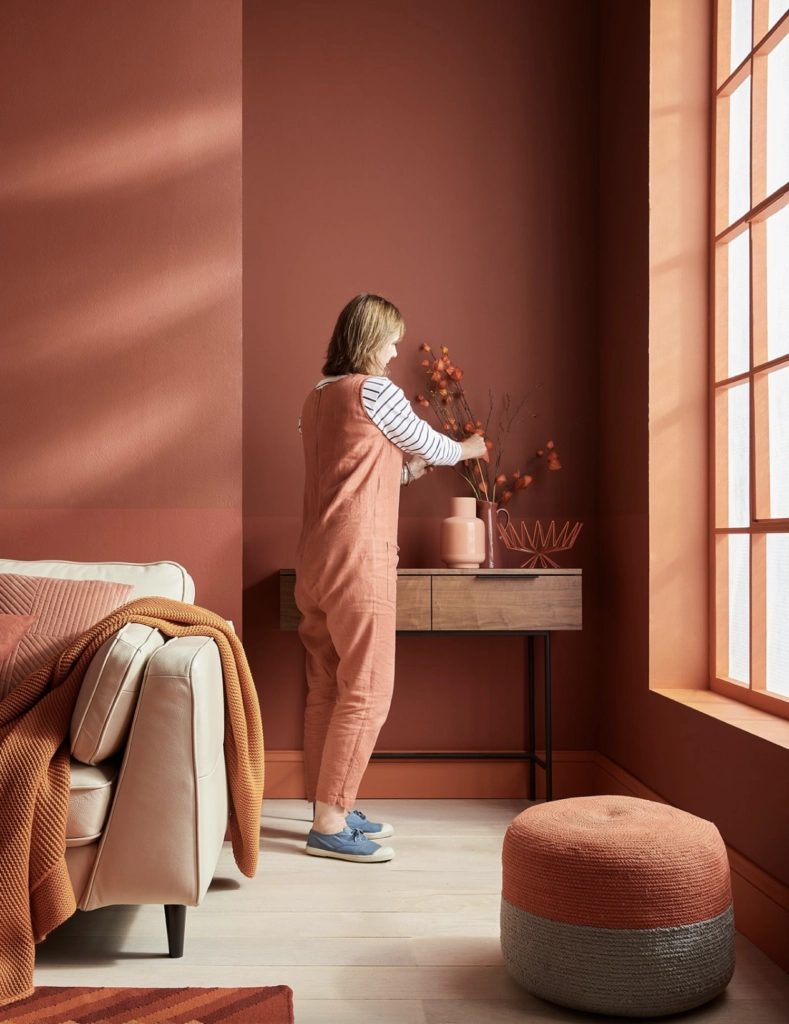
Terre D'Egypte by Farrow & Ball
source
The downsides of Farrow & Ball:
The price is the hard part. At $130-150 per gallon, Farrow & Ball does not make sense for every room. In the US and Canada, stores are mostly in major cities, so many homeowners order online. The free color cards and $8 sample pots help, but you still need to sample on your own wall before ordering gallons.
My verdict: use Farrow & Ball for a dining room, office, powder room, cabinet color, or any space where the paint color carries the design. I would not spend it on a quick rental repaint or a basement hallway. For color nuance, nothing else in this list quite matches it.
2. Benjamin Moore
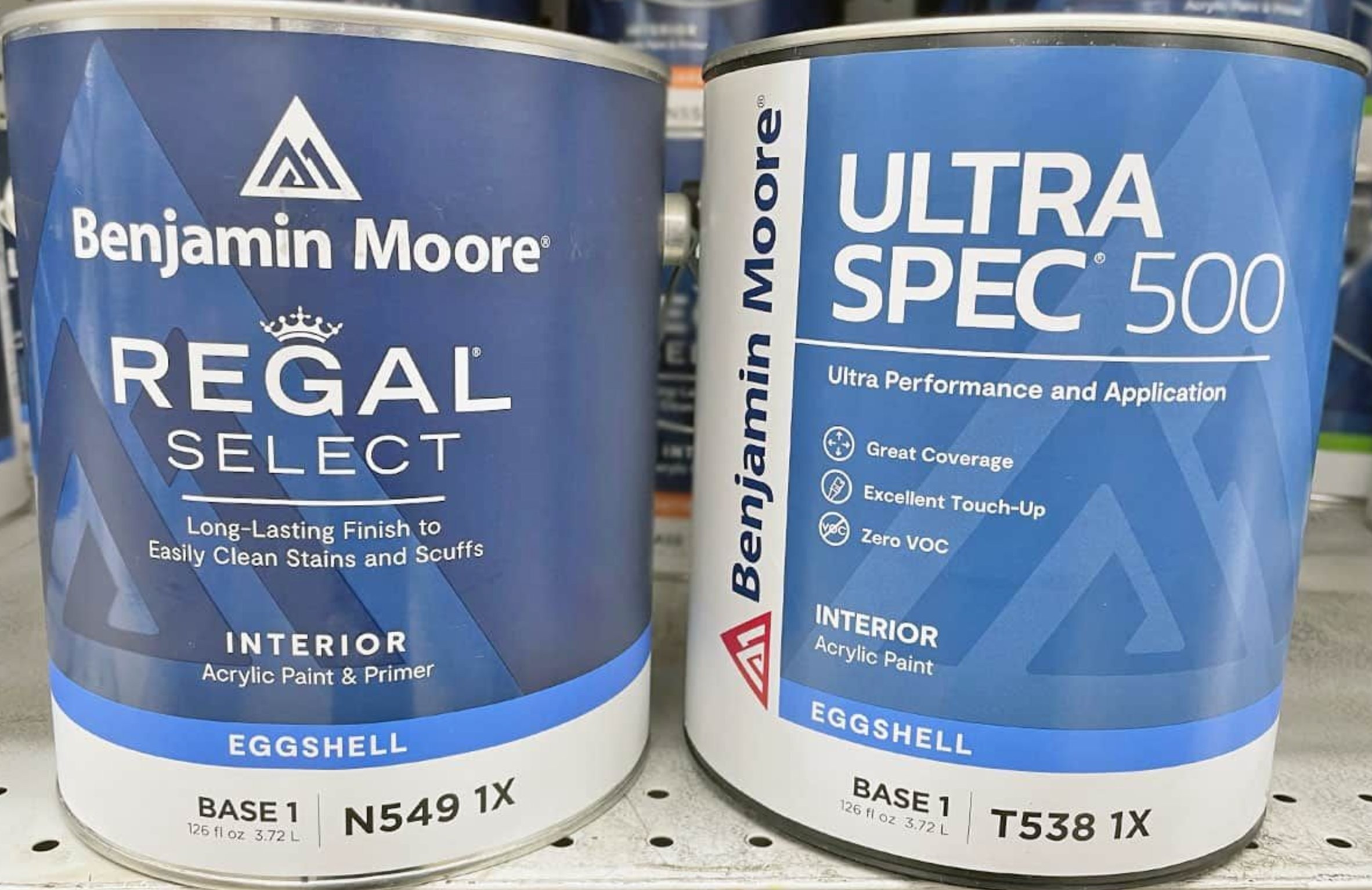
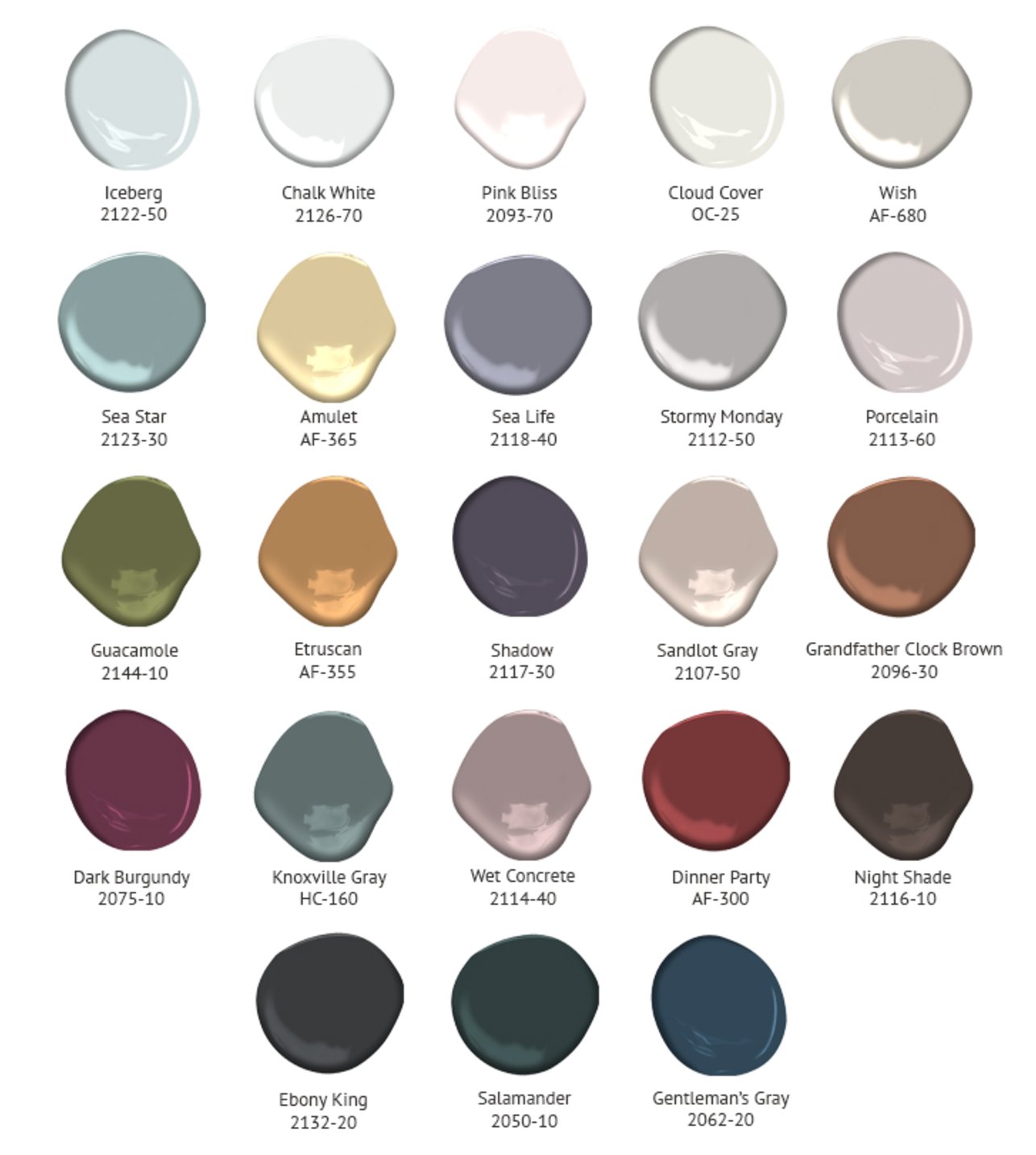
Benjamin Moore is my most common recommendation for homeowners who want premium paint without making the project fussy. The paint has a rich, thick consistency, and on a well-primed wall it often covers in one coat.
The color selection is huge, with over 3,500 shades. Many of the better Benjamin Moore colors are hard to match cleanly in other systems because of their Gennex pigment technology.
What I love about BM:
Regal Select is my default line for most projects. It covers up to 450 square feet per gallon, which is one of the better coverage rates I see in premium interior paint.
The premium Aura line is the one I would choose for bathrooms and other humid spaces because of its anti-fungal properties. Their Color Lock technology helps saturated colors stay cleaner over time, especially in deeper blues, greens, and charcoals.
For lower-odor projects, the Eco Spec line has zero VOCs and is a smart choice for kids' rooms. Most of their other lines are LEED-compliant too.
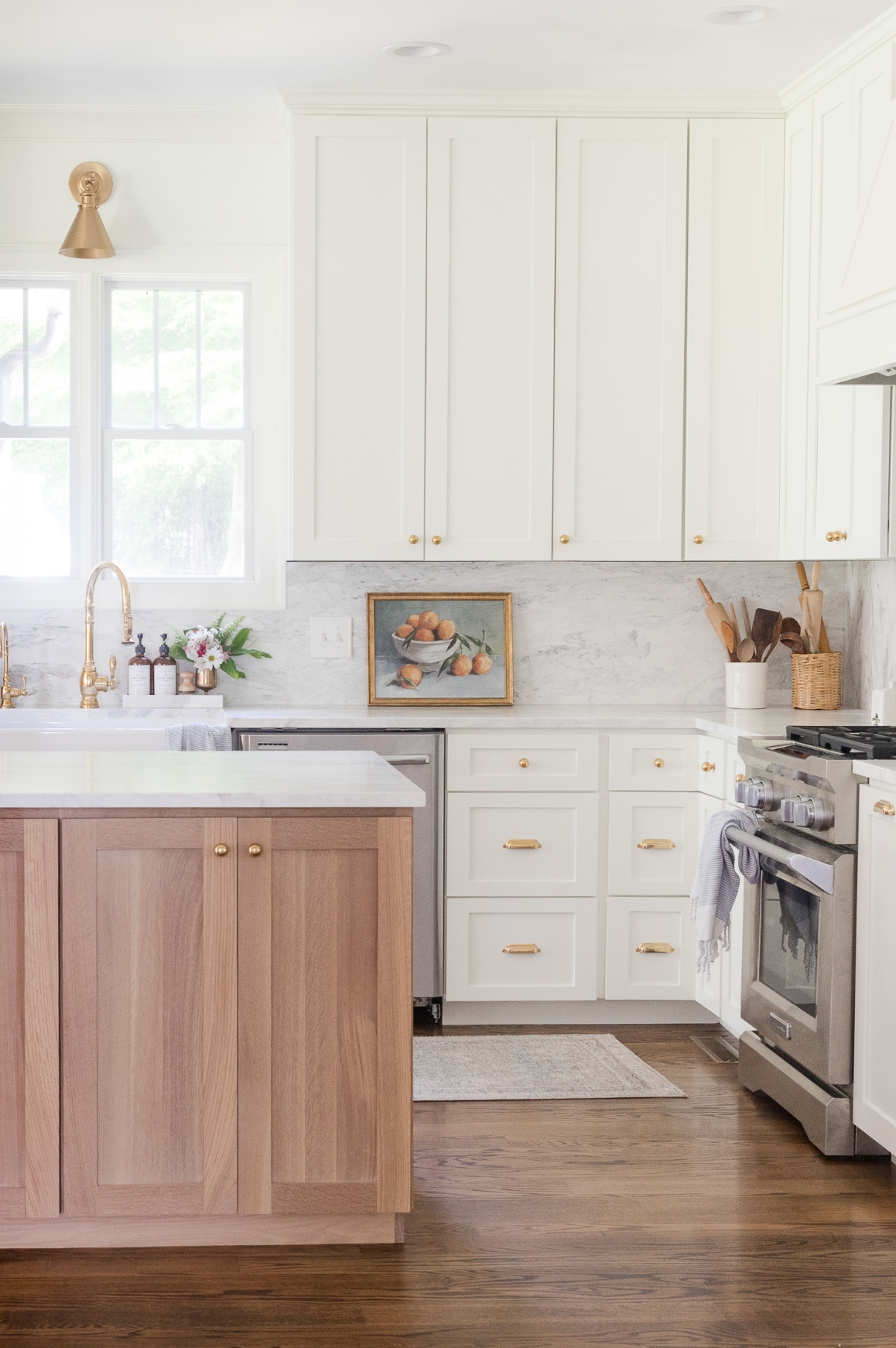
Simply White by Benjamin Moore
source

Linen White by Benjamin Moore
source
The drawbacks of Benjamin Moore:
The biggest hassle is availability. You can only buy it from Benjamin Moore stores or authorized dealers, which is annoying when a room takes one more quart than expected.
Price is another sticking point. Expect to pay $45 to $90+ per gallon, depending on the line. The budget-friendly Ben line is cheaper, but it runs thinner and is less forgiving for a nervous DIY painter.
3. Sherwin-Williams
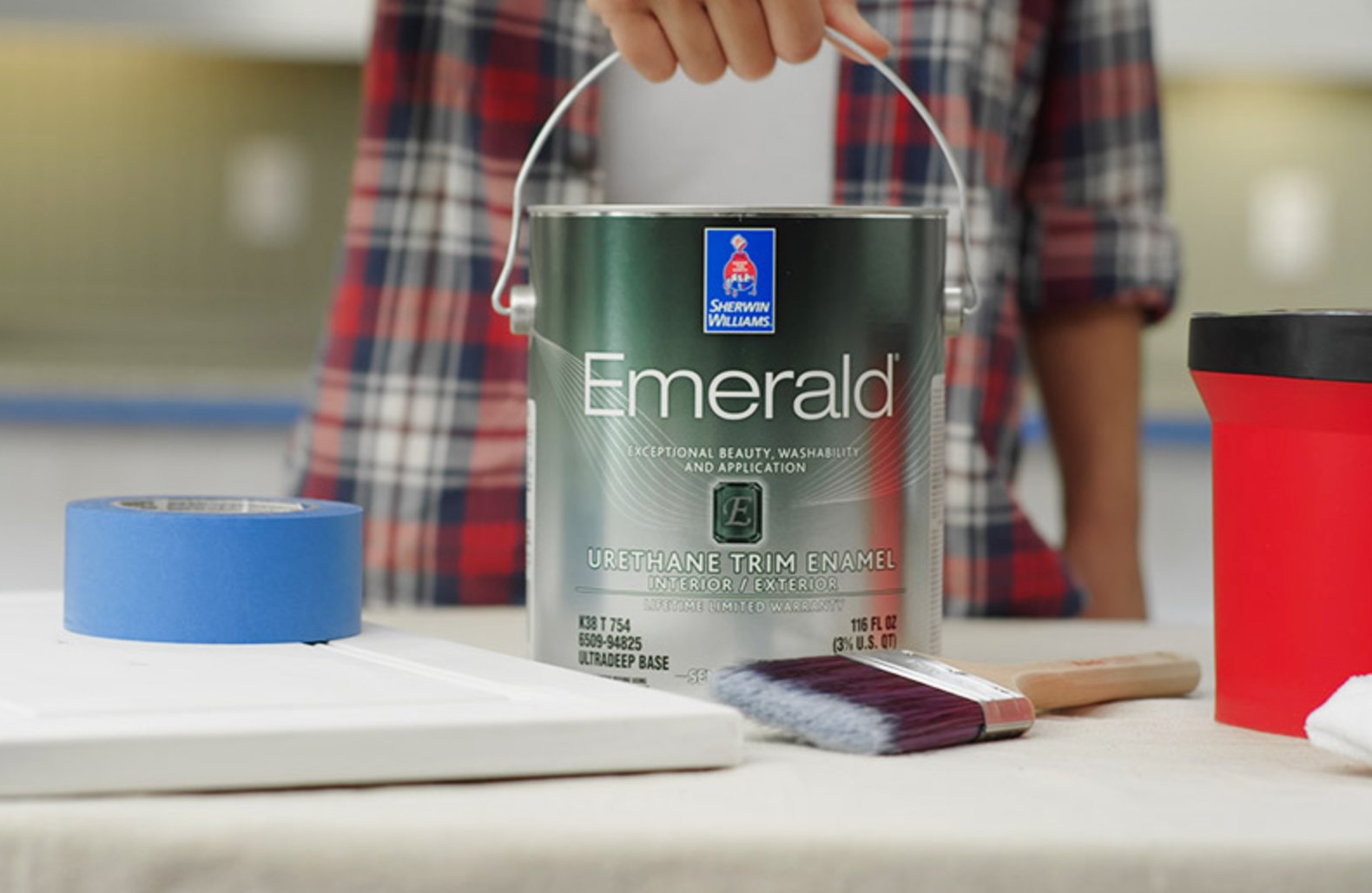
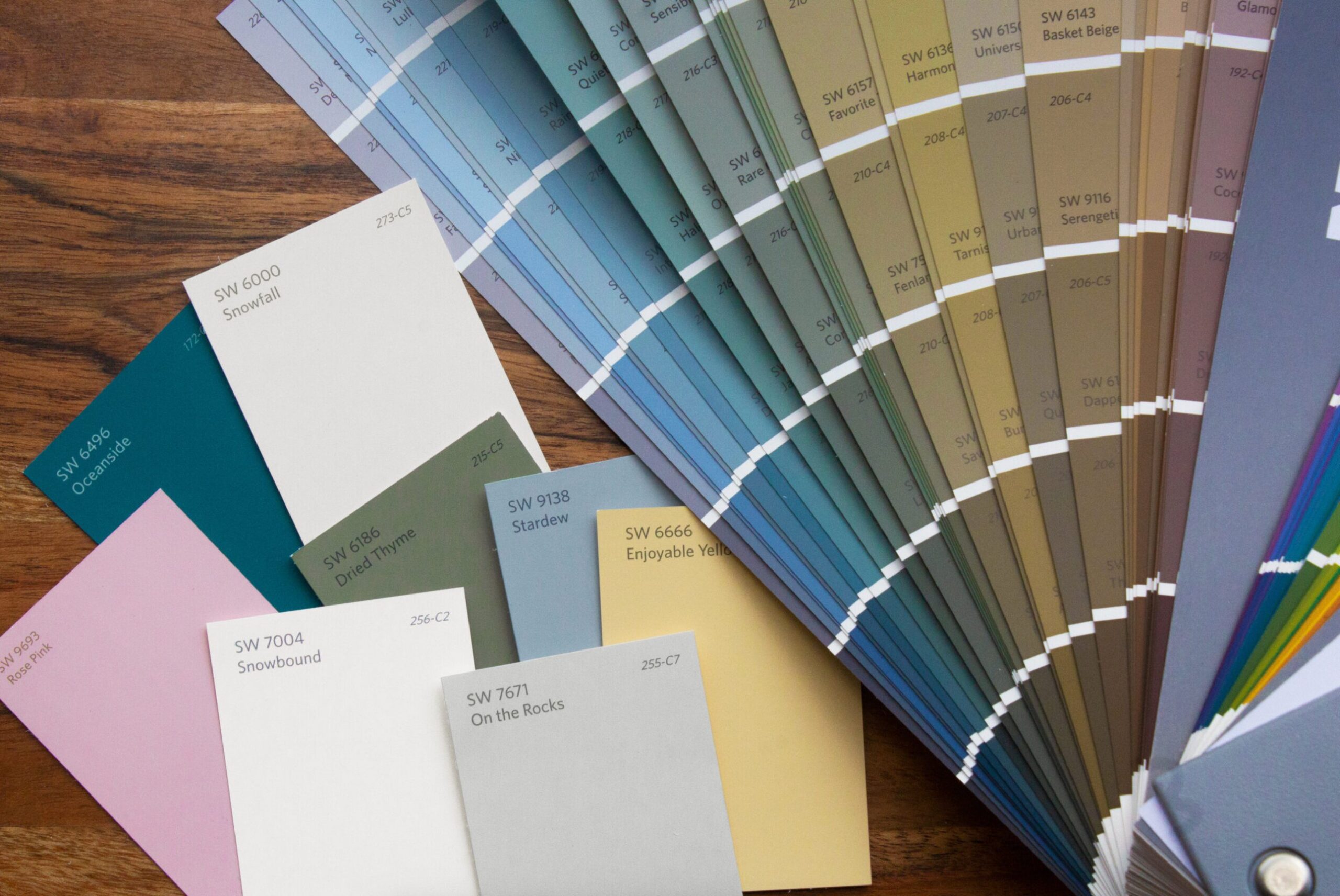
Sherwin-Williams is the practical premium pick. The company has been around for over 140 years, has 3000+ stores, and is also sold at Lowe's across the country. That access matters when you need another gallon mixed at 6 p.m. because the stairwell drank more paint than expected.
What I love about SW:
The color selection is broad, with over 1700 shades. They frequently run sales with up to 40% off, which is when I prefer to buy their premium lines. Their rewards program is worth joining if you paint more than one room a year.
The quality is strongest when you pick the right line for the room. Sherwin-Williams has a lot of overlap, so I do not treat every can as interchangeable.
Breaking down the lines:
- Emerald ($80-90 per gallon) is my choice for bathrooms. Years later, I have seen it hold up without mold problems, and the antimicrobial properties are useful in damp rooms.
- Duration ($80) is the better pick for hallways, kids' rooms, and homes with pets. I have wiped away crayon marks from it without damaging the finish.
- Cashmere ($75-80) has a smooth, silky finish that looks best in bedrooms and quieter living spaces. It is too delicate for kitchens, mudrooms, and busy hallways.
- SuperPaint ($65-70) is the value play for larger spaces. The self-priming formula can save a step when the existing wall color is not dramatically darker.
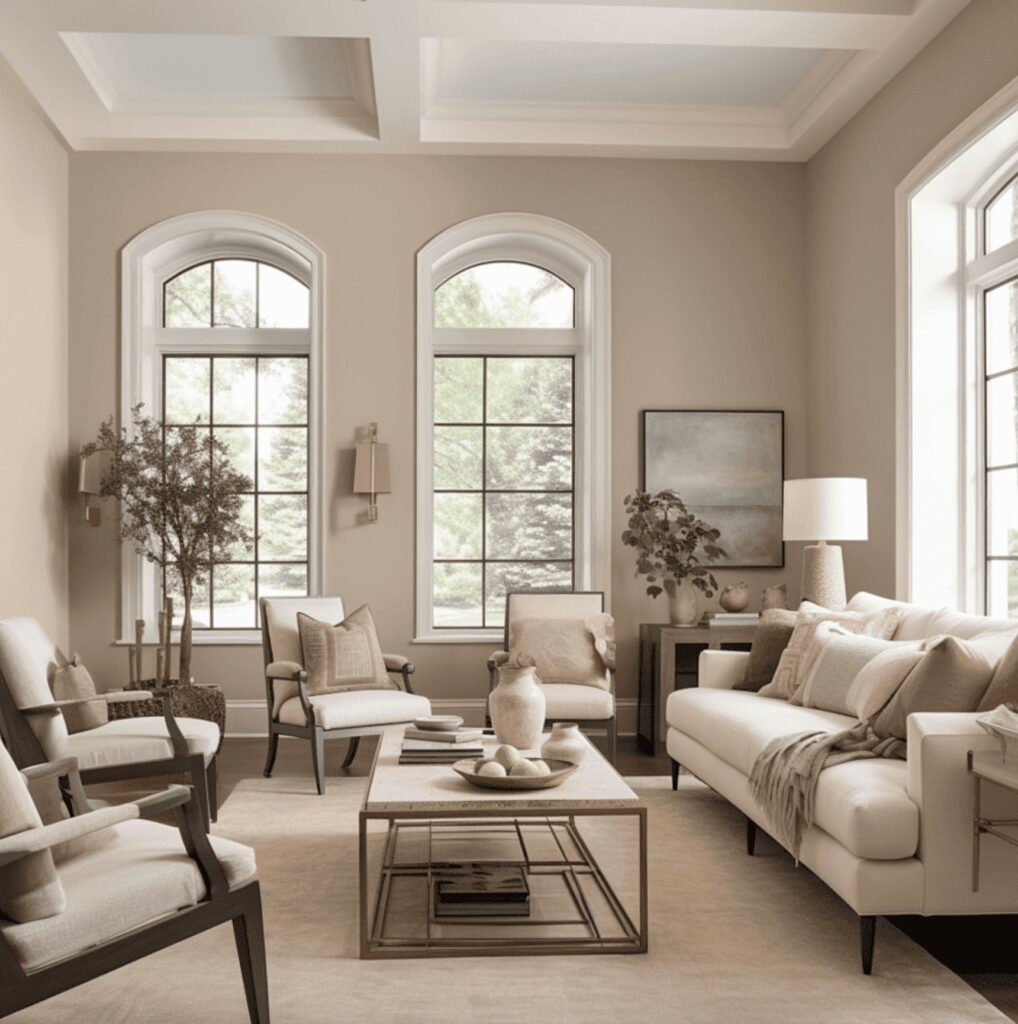
Natural Linen by Sherwin-Williams
source
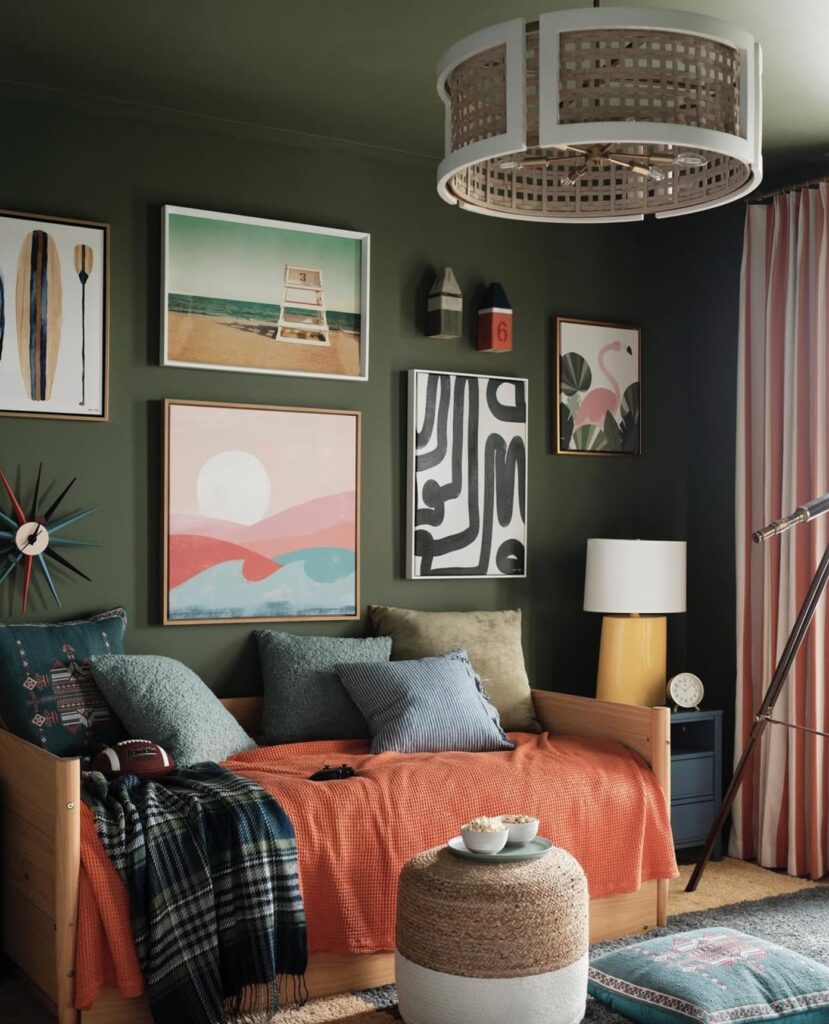
The downsides of Sherwin-Williams:
- The regular prices are steep, so I would wait for a sale unless the project is urgent.
- The satin finish has more shine than many homeowners expect, especially on long walls with strong window light.
- Some colors need a third coat to look even, which means more time and more paint.
My verdict: choose Sherwin-Williams when convenience and durability matter as much as color. It is my first pick for busy family spaces, touch-up-heavy homes, and projects where running short cannot turn into a two-day delay.
4. Clare
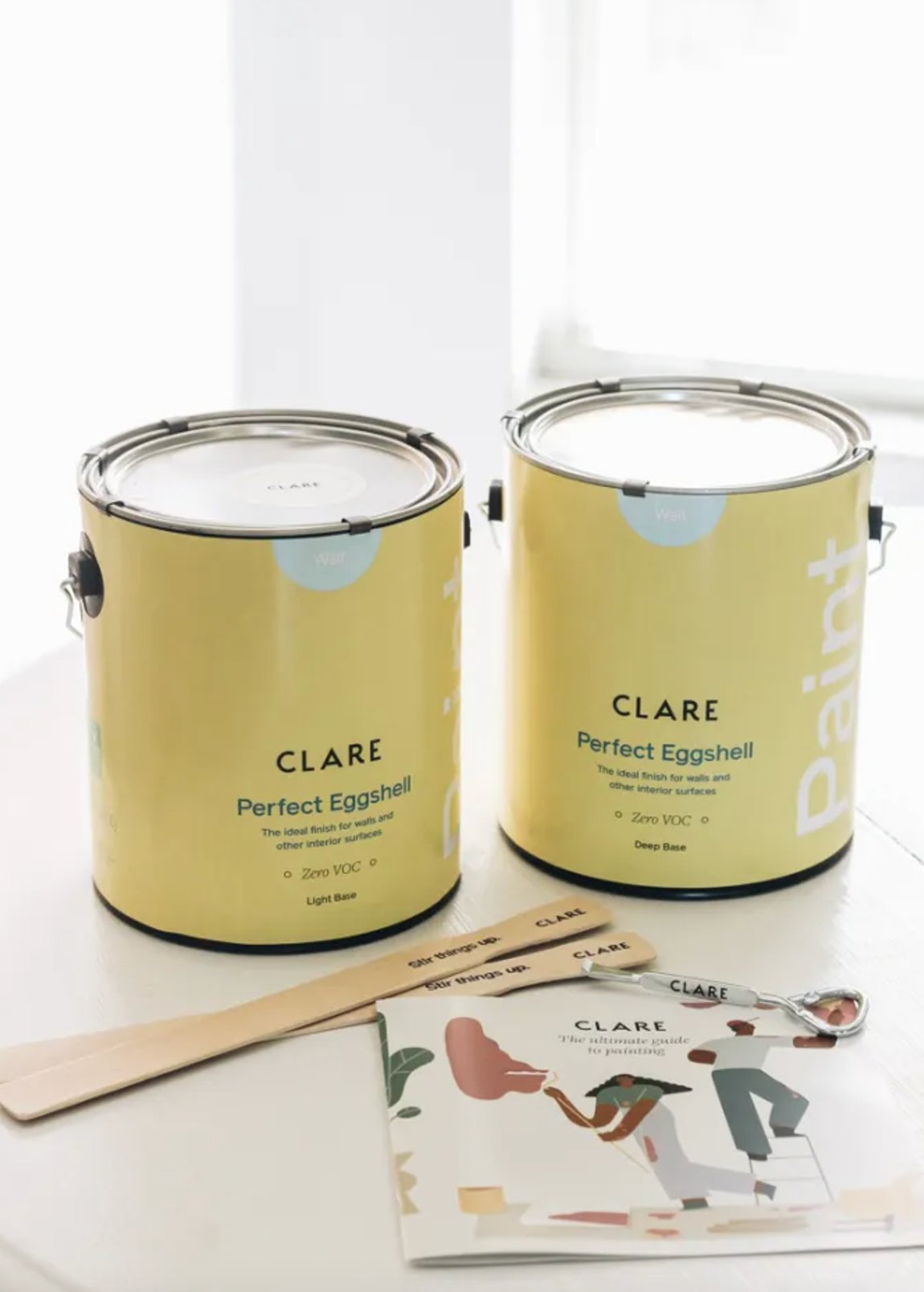
Clare is best for people who want an edited color menu and do not want to stand in a paint store comparing 40 near-identical warm whites. The smaller palette makes choosing easier, but it can feel limited when a room needs a very specific undertone.
This paint is a good fit for high-traffic areas like hallways, kids' rooms, and everyday living spaces. Plan on two coats for the best result, which is normal for this category.
What I like about Clare:
- The price point makes sense. $65 per gallon is fair for the quality and the simplified buying experience.
- A major plus is that it's Zero VOC, so you can breathe while using it indoors.
- The durability and washability are impressive, especially in homes with little kids.

The drawbacks of Clare:
- The biggest drawback is that it's online-only. You can order samples ($3 each or $35 for the full set), but complex shades are still harder to judge without a real store visit.
- You need to work quickly with this paint. It dries fast, which can make lap marks more likely on large walls.
- Watch for splattering. Good rollers matter here, and Purdy Marathon rollers have worked well for me.
My verdict: Clare is a strong choice for a homeowner repainting one or two rooms who wants fewer decisions. I would not use it for a whole-house color plan where I need fine control over undertones from room to room.
5. PPG

PPG is the brand I would consider when performance matters more than brand romance. They have a technical approach to coatings, including automotive pigments in the Timeless® line, but the best choice depends heavily on the exact product.
Where PPG performs well:
- Their basic lines deliver consistently solid quality, even in the mid-price range. Glidden Premium ($25-35 per gallon) works well for bedrooms and living rooms.
- You will usually only need one coat, particularly with darker colors. Their ColorTrue technology helps colors look more natural as the light changes through the day.
- Most PPG paints come with GREENGUARD certification and low VOC levels, which is useful for occupied living spaces.
Looking at specific lines:
- Speedhide Zero VOC is genuinely durable and suits entryways, hallways, and other high-traffic areas.
- Advantage 900 does not cover quite like it did before the formula update, but it still sticks to oil-based paints better than anything else I have used.
- Glidden Premium is a good living-space paint, though it may show wear if you scrub it with water often.
The drawbacks of PPG:
- The price tags on the more innovative products can be hard to justify. Advantage 900 is about $80 per gallon, and while the coverage is good, it gets sticky fast while you are painting and the smell is noticeable.
- You need good ventilation. Also watch for cracking if you are using elastic sealants.
- Shopping for it can be tricky. The full selection is at PPG specialty stores, while Home Depot and Lowe's carry limited lines.
Bottom line: PPG makes quality paint, but I would choose it by line, not by brand name. It is strongest for practical durability problems, not for clients who want the most nuanced designer palette.
6. Valspar
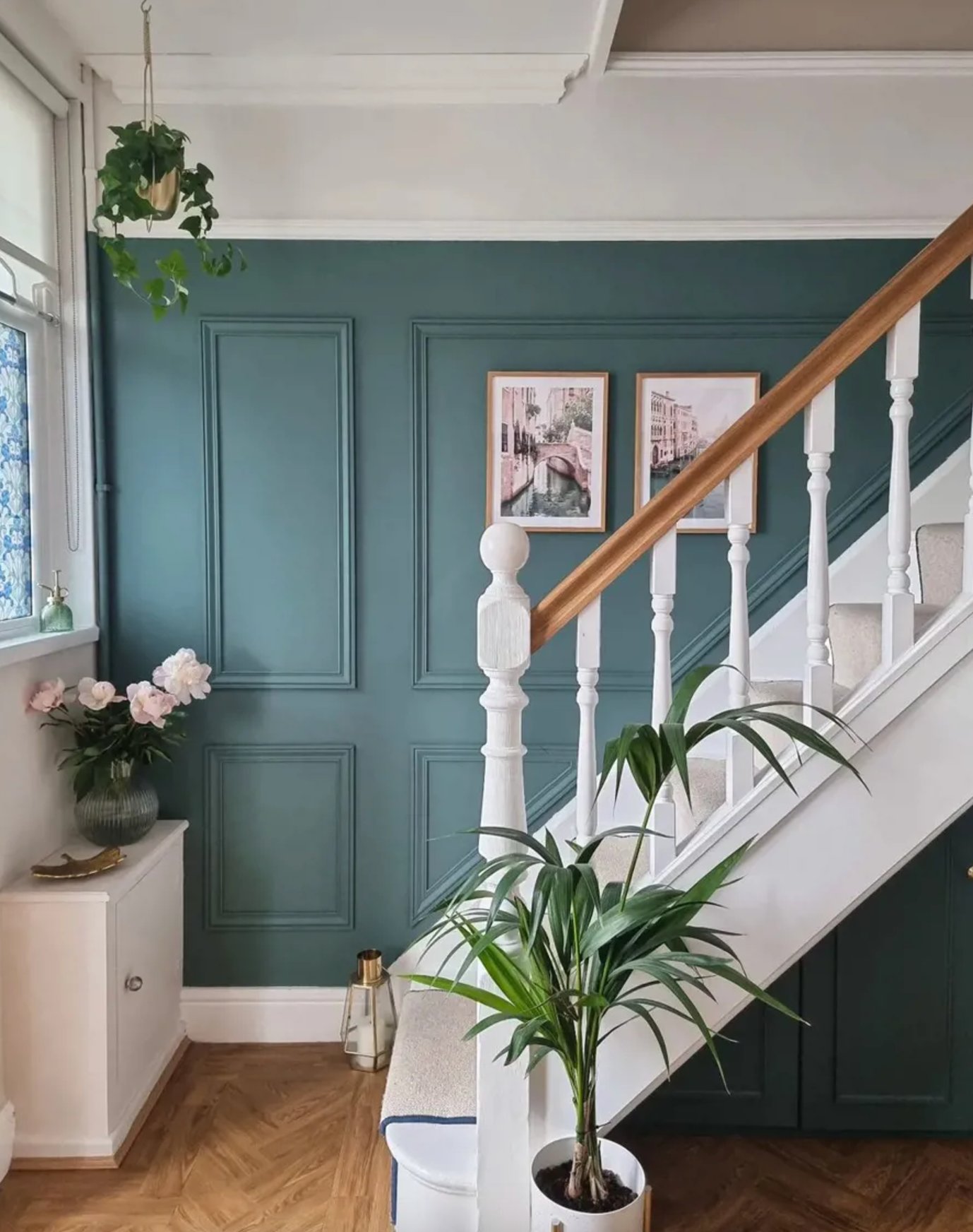
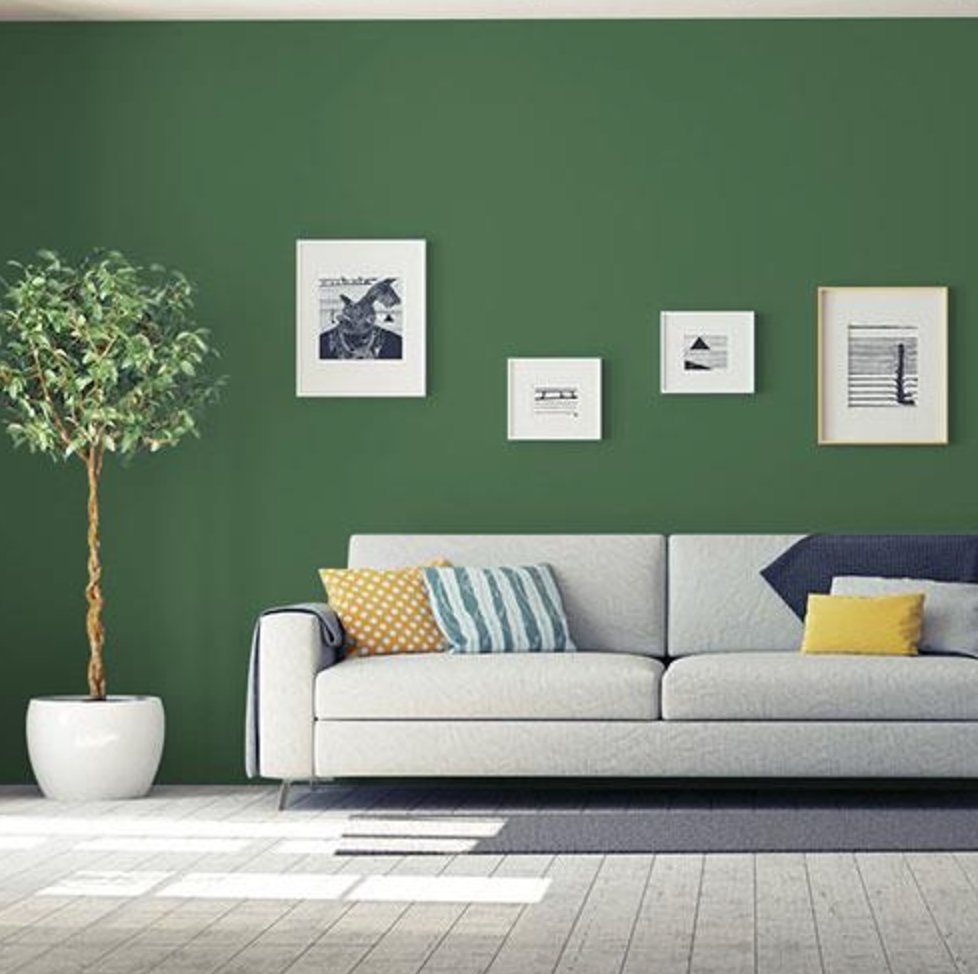
Frosted Sage by Valspar
source
Valspar is my budget recommendation when the room needs a clean refresh, not a luxury finish. Contractors often use it for straightforward projects where premium paint would not change the outcome enough to justify the cost.
Think of it as the reliable middle-ground option. You will only find it at Lowe's, and the prices are reasonable at $30 to $45 per gallon, which beats premium brands by quite a bit.
It is easy to work with and flows nicely, which helps if you are new to painting. The finish can feel slightly rougher than premium paint on large, smooth walls, but the value is strong.
Where Valspar makes sense:
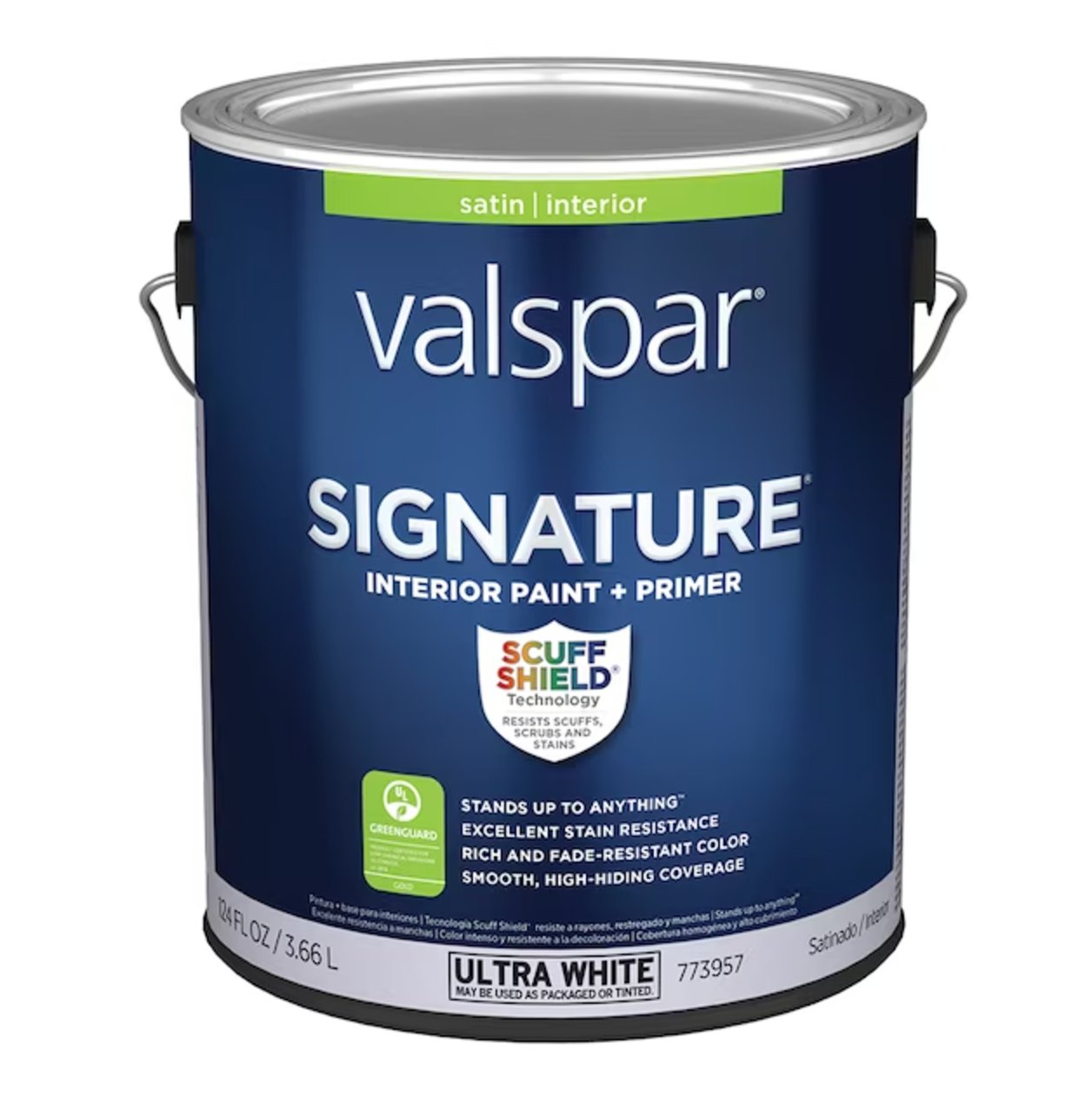
- Signature Interior is the standout product. I have used it to cover a black wall with light gray, and one coat did the trick.
- Reserve handles hallways, kids' rooms, and entryways well.
- The specialty formulas are useful too, especially the mold-resistant options for bathrooms.
The drawbacks of Valspar:
- The texture runs thicker than premium paints, and you might notice slight roughness on large, smooth walls. That is the trade-off for good coverage.
- The 2-hour drying time between coats can test your patience, especially in bigger rooms.
My verdict: Valspar is the right call for guest rooms, rental refreshes, and low-drama repainting where cost matters. I would upgrade for a main living room with strong natural light or trim that needs a crisp, furniture-like finish.
7. Behr
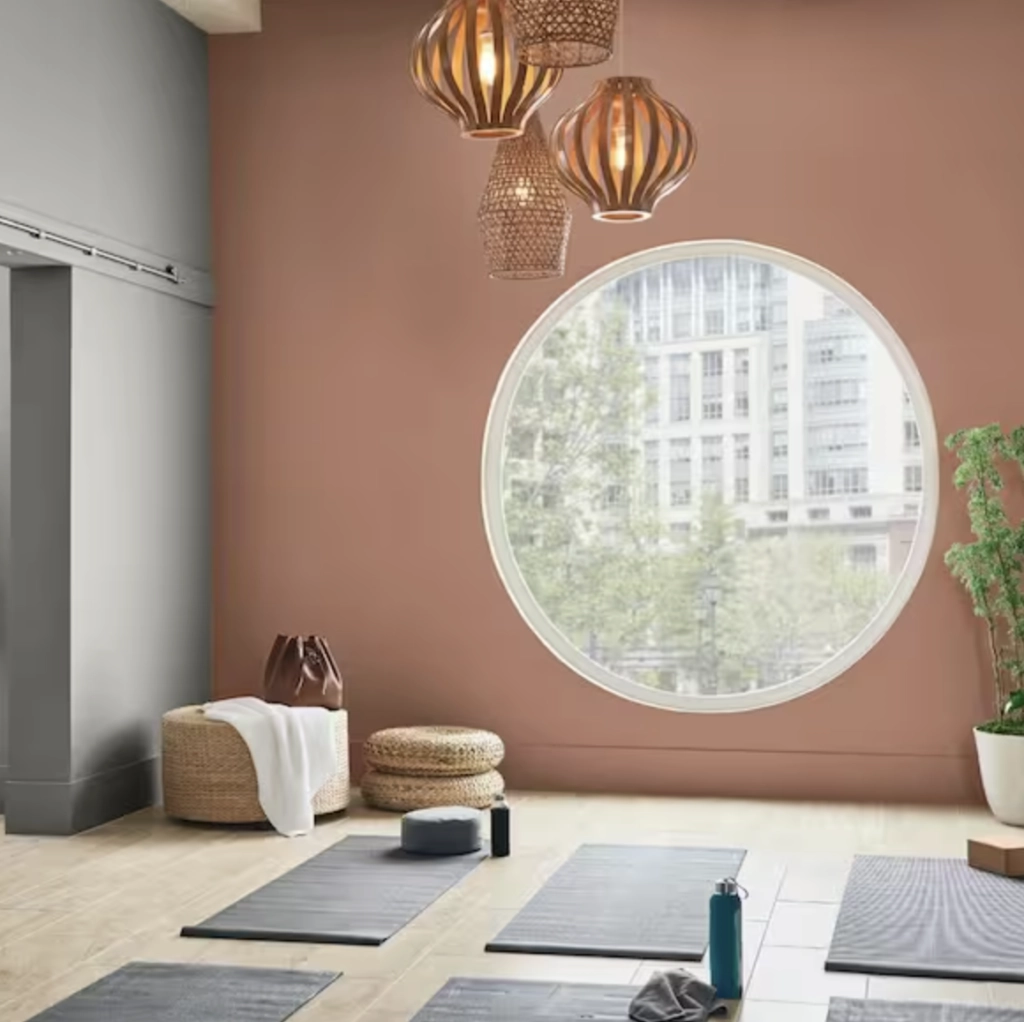
Glazed Pot by Behr
source
Behr, Home Depot's exclusive paint brand, is one of the easiest budget-to-midrange paints to recommend because buying more is simple and the better lines perform well for the price.
What I love about Behr:
- The Marquee line is the standout product. It costs more than the other Behr lines ($45-55 per gallon), but the one-coat coverage can be worth it. I used it in my living room and did not have patchy spots afterward.
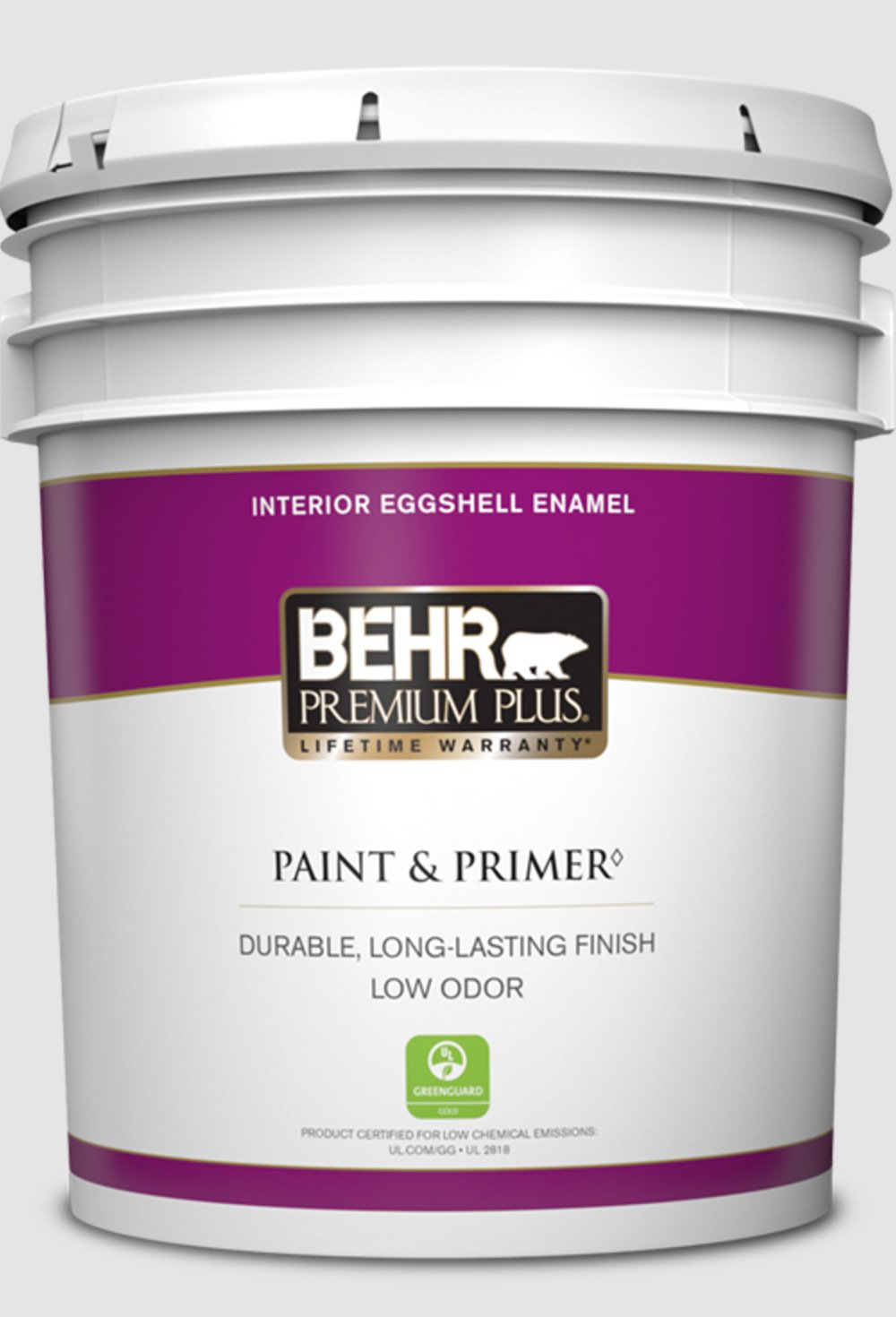
- Premium Plus is a solid pick for bathrooms and kitchens. It holds up against moisture and stains, costs about $35 per gallon, and has just 2 hours of drying time between coats, so a one-room project can often be finished in a day.
- The Ultra series ($30-40) is the right tier for bedrooms and less-used areas. The built-in pouring spout actually helps prevent paint drips.
The drawbacks of Behr:
As much as I like these paints, there are some quirks that matter during application.
- Premium Plus has low VOC content, but it can still smell strong while you are painting. Open the windows.
- The shade might vary slightly between different Home Depot stores, so buy all the paint you need at the same time.
- Stir the paint thoroughly before using it. If you skip that step, the coverage and finish can disappoint.
My verdict: Behr is the best Home Depot choice for practical projects, especially bedrooms, bathrooms, kitchens, and fast weekend repaints. I would not choose it over Benjamin Moore or Farrow & Ball for a color-critical main room.
8. Dutch Boy
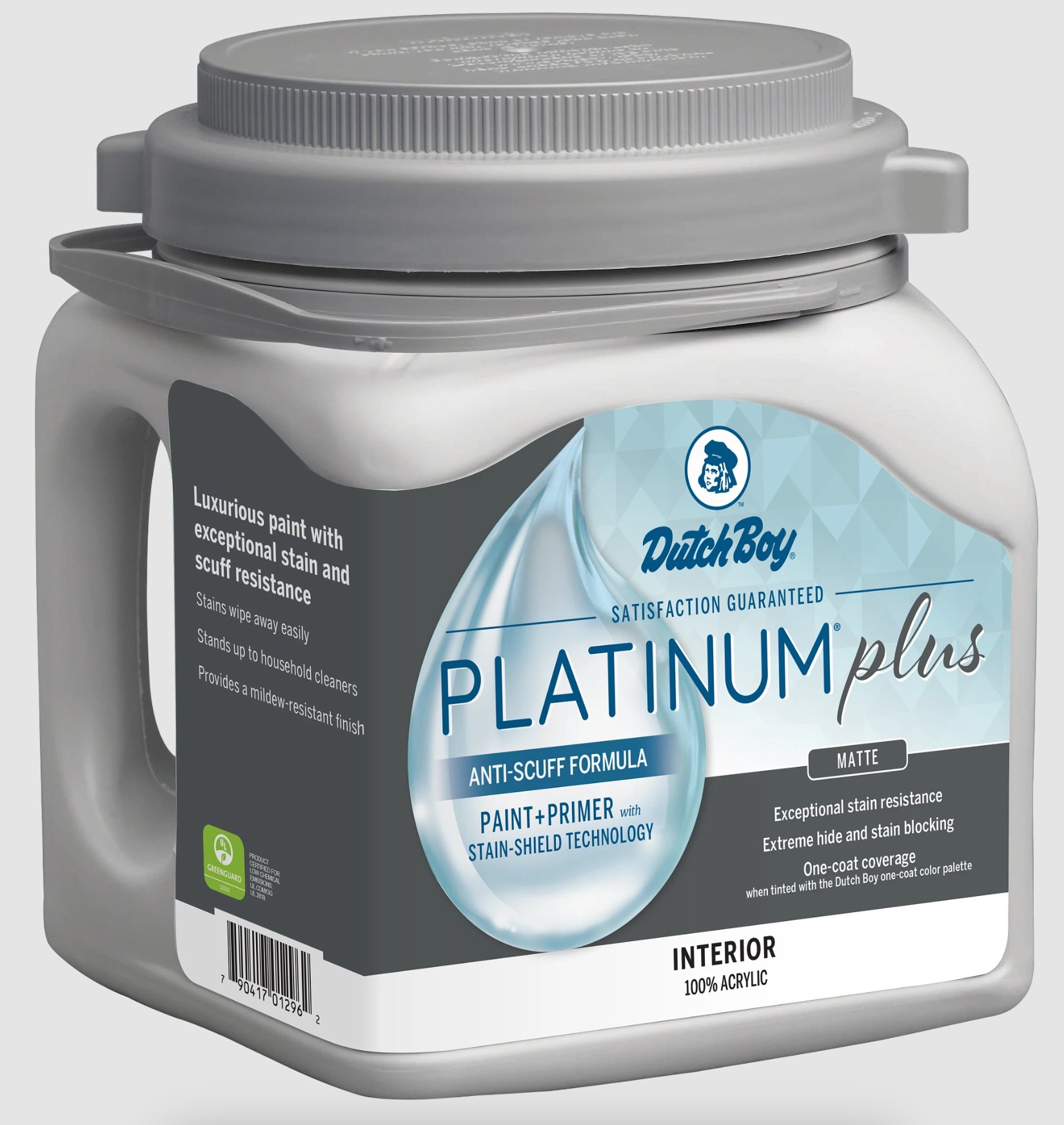
Dutch Boy is strongest in heavy-duty paint, not designer wall color. It does not get as much attention online as the bigger names, but it deserves a look for floors and hard-wearing surfaces.
Their Porch & Floor line is the product I trust most from them. It sets in just an hour, which helped on a client deck where two kids and a dog needed the space back quickly.
Where Dutch Boy performs well:
- These paints are built to last. Even after years of heavy foot traffic, floors can still look fresh
- They offer an anti-slip version for potentially slippery areas
- Colors stay true even in direct sunlight (both lab tests and real-world use back this up)
- Coverage is impressive, and usually one coat does the trick
The drawbacks of Dutch Boy:
- The pouring spout is poorly designed, so expect some drips and mess
- The formula is too thick for walls and ceilings, and I would not use it there
My verdict: Dutch Boy is a specialty pick. Use it when the surface needs toughness first, especially porch, floor, or utility-area work. For standard interior walls, choose one of the stronger wall-paint brands above.

I'm Elizabeth, your go-to guide for all things paint and design! My days are filled with color swatches and innovative room makeovers. When I'm not painting the town - literally - I'm soaking up inspiration from my travels. This blog is my way of sharing my passion and making the world a more vibrant place, one color palette at a time.