Benjamin Moore vs Sherwin Williams
Benjamin Moore and Sherwin-Williams are both strong choices, but I do not treat them as interchangeable on every job. Benjamin Moore is usually my pick for nuanced color work, especially whites, creams, and saturated shades. Sherwin-Williams is the practical winner when availability, sales, and predictable store hours matter most.
The paint line matters more than the logo on the can. Aura is not the same conversation as Ben, and Emerald is not the same conversation as Captivate. If you compare the right lines head to head, the better choice usually comes down to color sensitivity, room use, budget, and who will be applying it.
Here is how I compare them with clients before a painter buys ten gallons and the room starts looking different than the sample board.
Key Points
- Both brands make premium paint, and most homeowners will not see a dramatic difference if the wall prep, sheen, and paint line are comparable. Painters notice the differences sooner because they feel the body of the paint, open time, splatter, and touch-up behavior all day.
- The biggest everyday difference is the store model: Benjamin Moore sells through locally owned stores, while Sherwin-Williams runs a corporate chain of over 3,000 stores across the country. That affects hours, stock, contractor pricing, and how consistent the advice feels from one location to another.
- Both sit in the premium price range, from $30+ to $90+ per gallon depending on the line. Sherwin-Williams sales can make a big difference on a full-house project, while Benjamin Moore often wins when I need a very specific color to behave well.
So Which Paint is Better: Benjamin Moore or Sherwin-Williams?
My honest answer: I reach for Benjamin Moore first for color-critical interior work, especially trim whites, layered neutrals, and rooms where undertone control matters. I still use Sherwin-Williams, Farrow & Ball, and other brands, but Benjamin Moore gives me fewer surprises in delicate colors.
Choose Sherwin-Williams if you have a nearby store with good contractor support, need to buy during a 30% to 40% sale, or want an easy reorder months later. Choose Benjamin Moore if the exact color is the main reason you are repainting, or if your local dealer has knowledgeable staff who will help with sampling and sheen.
The comparison tables below show where the product lines land on durability, coverage, VOCs, solids, mildew resistance, primer, and price. Use them to compare line against line, not just brand against brand.
Benjamin Moore Paints:
| Features | Aura | Regal Select | Ben | Ultra Spec 500 | Super Hide |
|---|---|---|---|---|---|
| Durability | Superior | Excellent | Great | Good | Fair |
| Cleanability | Scrubbable, no color rub off | Stain-release technology | Poor | Washable | Poor |
| VOC | 0 | < 50 g/L | 0 | 0 | 0 |
| Coverage | 350-450 sq. ft. | 400-450 sq. ft. | 400-450 sq. ft. | 350-450 sq. ft. | 400-450 sq. ft. |
| Volume of Solids | 37.2-49.3% | 36.1-46.8% | 30.8-44% | 38.2-44.3% | 27-35.5 |
| Mildew Resistant | Yes | Yes | No | No | No |
| Primer Included | Yes | Yes | Yes | No | No |
| Price/Gallon | $95 | $80 | $50 | $50 | $30 |
Sherwin-Williams Paints:
| Features | Emerald | Duration | Cashmere | SuperPaint | Captivate |
|---|---|---|---|---|---|
| Durability | Excellent | Great | Good | Good | Fair |
| Cleanability | Advanced stain blocking technology | Antimicrobial agents and stain-fighting technology | Poor | Washable | Poor |
| VOC | < 50 g/L | < 50 g/L | < 50 g/L | < 50 g/L | < 50 g/L |
| Coverage | 350-400 | 350-400 | 350-400 | 350-400 | 350-400 |
| Volume of Solids | 37-41% | 33-40% | 38-41% | 37-41% | 34-40% |
| Mildew Resistant | Yes | Yes | Yes | No | No |
| Primer Included | Yes | Yes | Yes | Yes | Yes |
| Price/Gallon | $95 | $80 | $70 | $70 | $45 |
Paint Quality Comparison

Benjamin Moore and Sherwin-Williams both make excellent paint, but they feel different on the wall and on the roller. Benjamin Moore tends to win for color depth and a creamy application. Sherwin-Williams tends to win for convenience, promotions, and dependable access.
After working with both brands for years, I care less about the brand debate and more about the exact line. A premium line from either company will outperform the entry-level line from the other. Here is where I see the differences show up in real rooms.
Durability and Coverage
Benjamin Moore stands out for its thicker body and strong specs. Regal Select and Aura are around 45% solids and can cover up to 450 square feet per gallon. That creamy texture helps hide minor wall flaws, and it tends to splatter less while rolling, which is why I like it for living rooms and bedrooms where the finish will be seen in daylight.
Their Gennex technology means zero VOC across all products, which makes it a good choice for nurseries, kids' rooms, and bedrooms where odor is a concern. The Color Lock feature in Aura helps bold colors stay true for years, and the anti-fungal additives make Aura a stronger choice for bathrooms, laundry rooms, and other damp spaces.
One caution: the budget Ben line can feel thick and a little stubborn if you are not used to it. I would not choose it for a first-time DIY project with dark paint.
Sherwin-Williams Duration is the line I would look at for hallways, mudrooms, stairwells, and family spaces. It resists fading and handles wear better than the cheaper lines.
Their ColorLast technology is not just marketing copy. I painted my hallway with it three years ago, and the color still looks fresh. Emerald, with antimicrobial properties, is my stronger Sherwin-Williams pick for bathrooms and kitchens because it resists stains, cleaning chemicals, mold, and surface damage well.
Finish Consistency
Benjamin Moore has the stronger color story for me. Their matching system handles tricky shades well, which matters in open floor plans where one color may hit a north-facing wall, a sunny wall, and a shadowed hallway in the same view.
The color selection is deep, and Gennex gives them some shades that are hard to duplicate cleanly in another brand. I notice that most with whites, muted greens, complex creams, reds, and blues.
Sherwin-Williams is very good at repeatability. With the ColorSnap® Precision system, you can buy more paint months later and expect a close match when the original wall has not faded or changed sheen from cleaning.
Their satin finish can read glossier than clients expect, so I double-check sheen before ordering for older plaster, textured walls, or strong side light. With over 1,700 colors and stores everywhere, it is still a very practical choice.
Cost Analysis
Paint prices have climbed, but Benjamin Moore and Sherwin-Williams still make sense when the labor is the expensive part of the job. If better paint saves a coat or keeps a high-use room looking good longer, the gallon price is not the only number that matters.
From what I see on projects, even their budget lines often outperform premium products from weaker brands. I would still rather use Regal Select, Aura, Duration, or Emerald when the room gets daily use.
Benjamin Moore prices run high across the line. Their top-tier Aura paint costs $95 per gallon, putting it at the higher end of the market.
Next in line is Regal Select at $80, while Ben and Ultra Spec 500 sit at $50. Their basic Super Hide paint goes for $30, which is standard for budget paint.
Sherwin-Williams runs in a similar price range. Their high-end Emerald line costs $80-90 per gallon, with Duration and Cashmere around $75-80. Their more budget-friendly SuperPaint goes for $65-70.
The best pricing advantage Sherwin-Williams has is frequency of sales, often 30% to 40% off. If you are painting several rooms and can wait a week or two, that sale timing can matter more than the shelf price.
Color Selection
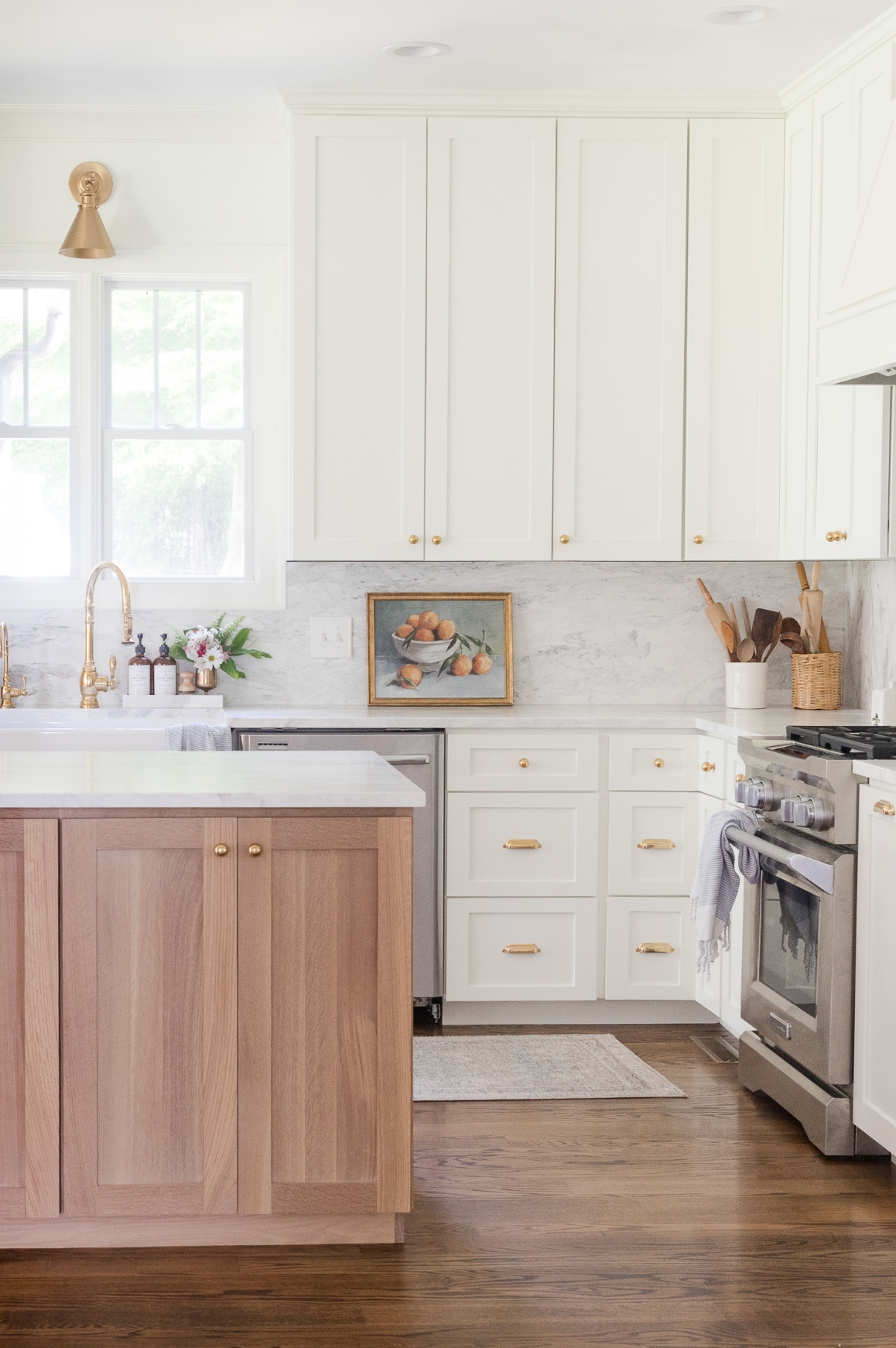
Simply White by Benjamin Moore
source

Linen White by Benjamin Moore
source
Benjamin Moore is the brand I trust most for rich color, especially if a room depends on undertone. Their deep shades remind me of Farrow & Ball in the best way, and their reds and blues have real depth instead of looking flat. Their whites and creams are also a major strength, especially in rooms with mixed natural and artificial light.
They offer decent-sized sample patches (9x12 inches) for $5.95 each. That is large enough to move around the room and read the color against trim, flooring, counters, and cabinet finishes.
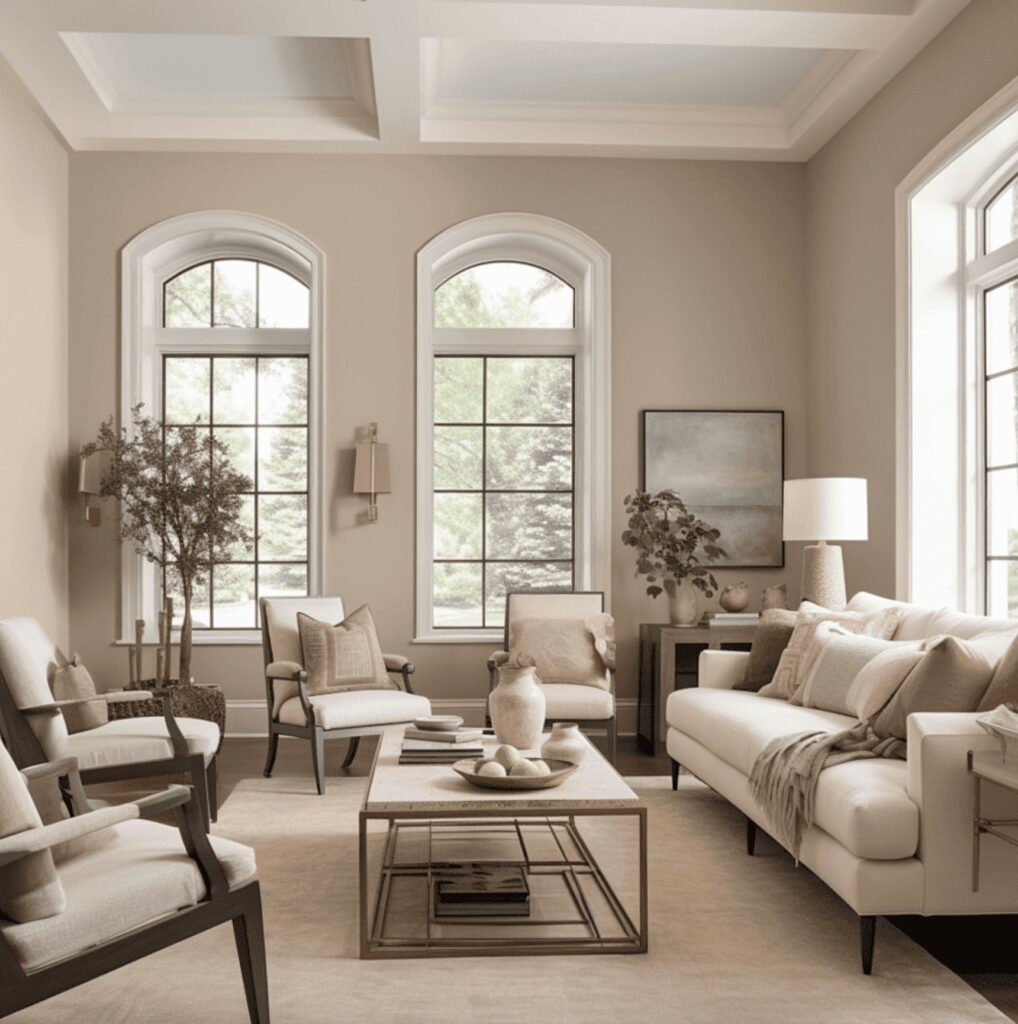
Natural Linen by Sherwin-Williams
source
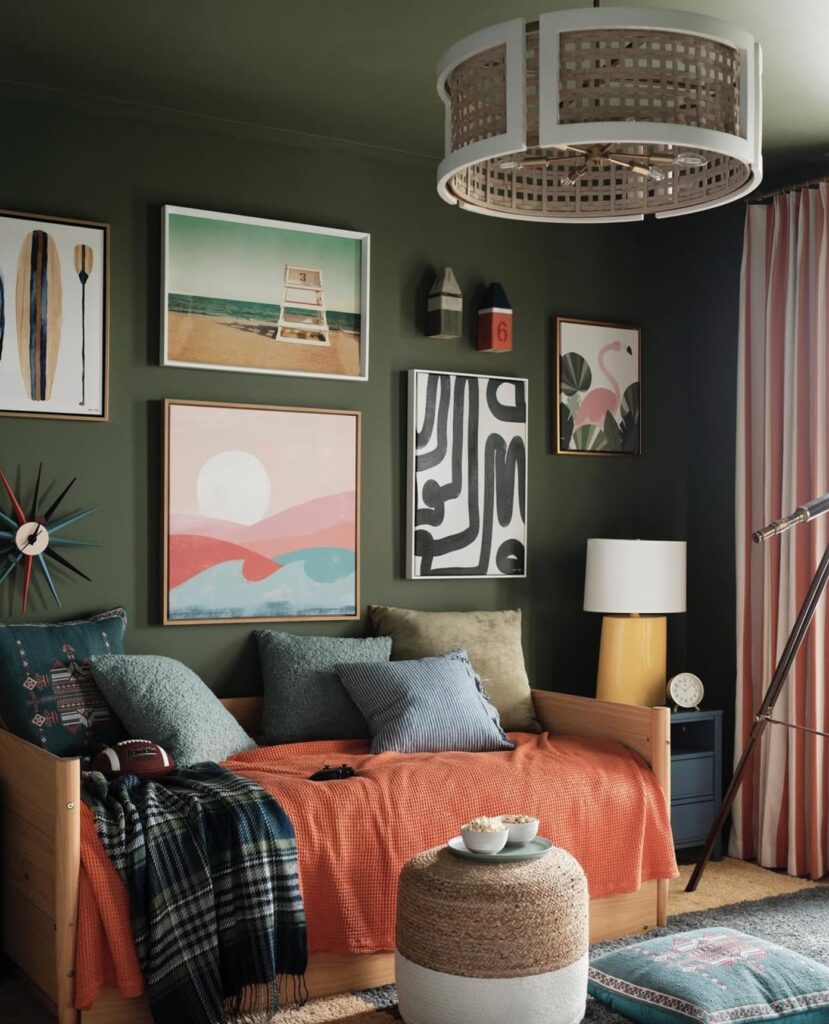
Sherwin-Williams has plenty of strong colors and a reliable color-matching system. Their samples run a bit smaller at 8x8 inches and cost $3.95.
What I like about Sherwin-Williams is how many designer favorites are easy to find and easy to reorder. If you do not want to test twenty near-identical neutrals, one of their proven shades can be the practical shortcut.
Both brands can match most colors closely, so you are not locked into one brand forever. I still prefer buying the original brand for color-critical whites, off-whites, and dark colors because tiny formula shifts are easier to see there.
Color Consultations and Online Tools
Benjamin Moore's color consultation service is the more structured option.
- For $50, you get a 30-minute Zoom session for one room, and they'll send you five color samples to your door.
- It's $60 for exterior projects for a 45-minute consultation plus eight samples.
- You can add 3D visualization for $30, showing your house in three different color schemes.
I've found their Personal Color Viewer tool useful for rough direction. Upload a photo and try different colors on walls, ceilings, and trim. The visualizations look fairly realistic because you can still see details under the virtual paint, but I would never skip physical samples based on a screen.
Sherwin-Williams takes a lower-barrier approach with free 30-minute virtual sessions with their color experts.
Their ColorSnap Visualizer works like Benjamin Moore's tool, though the results are not quite as polished.
The Snap It Button is useful for early color direction because it pulls palettes from a photo and matches them to Sherwin-Williams paint colors. It is not a final color decision tool, but it can help you build a starting palette from a rug, artwork, or exterior stone.
Store Experience
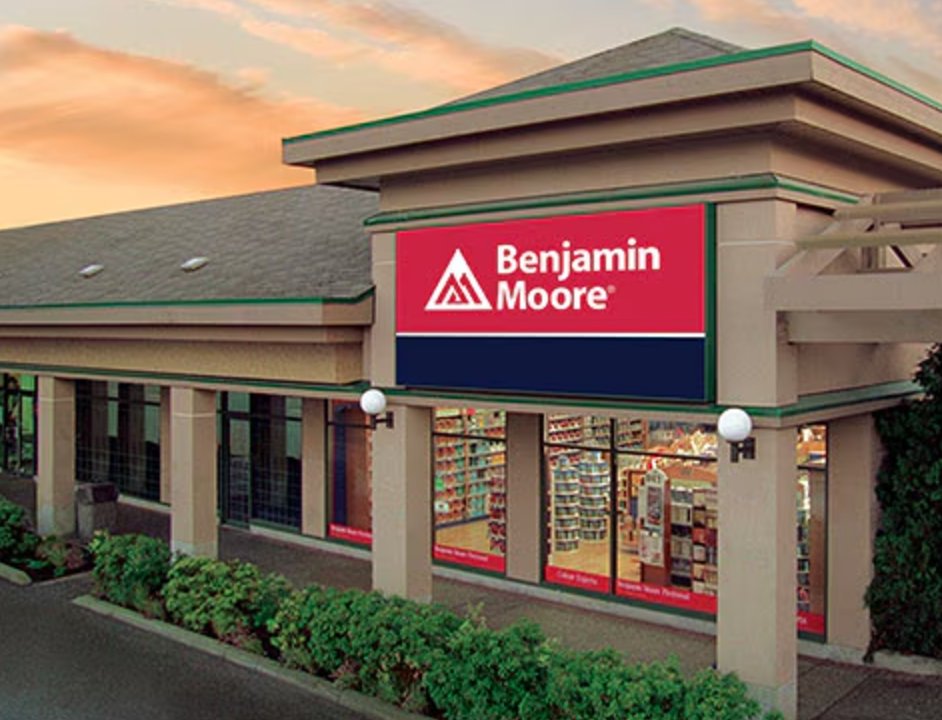
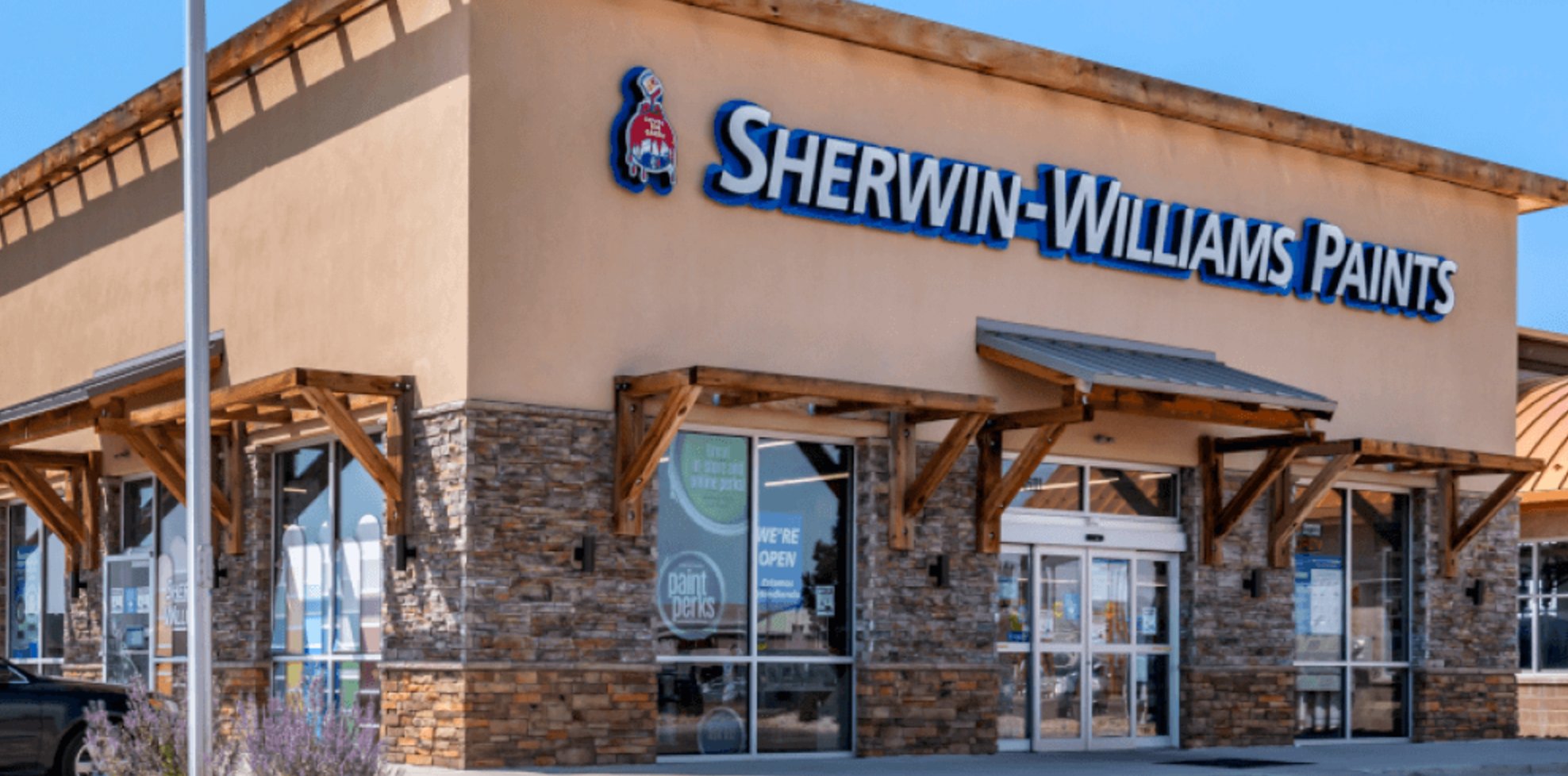
The store experience is one of the clearest differences between the brands.
Benjamin Moore partners with local businesses, and all their 6000+ stores are independently owned. I like that model when the owner and staff know paint well because the advice can be excellent and very personal.
The tradeoff is consistency. Hours, stock, and product depth vary by location. In smaller towns, a Benjamin Moore dealer may carry only the basics, which is frustrating when your painter needs more product the same day.
Sherwin-Williams runs about 3,925 corporate stores across the country. That usually means reliable hours, weekend access, consistent stock, and standardized service.
Customer service is still a mixed bag. From my experience and what other painters tell me, it comes down to individual staff and managers more than the brand name.
You might get excellent advice at one Sherwin-Williams store and barely any help at another. The same is true for Benjamin Moore, so judge the actual store you will use.
Benjamin Moore Paint Options
Benjamin Moore has several paint lines, and the right one depends on how hard the room works. These are the three I see homeowners comparing most often:
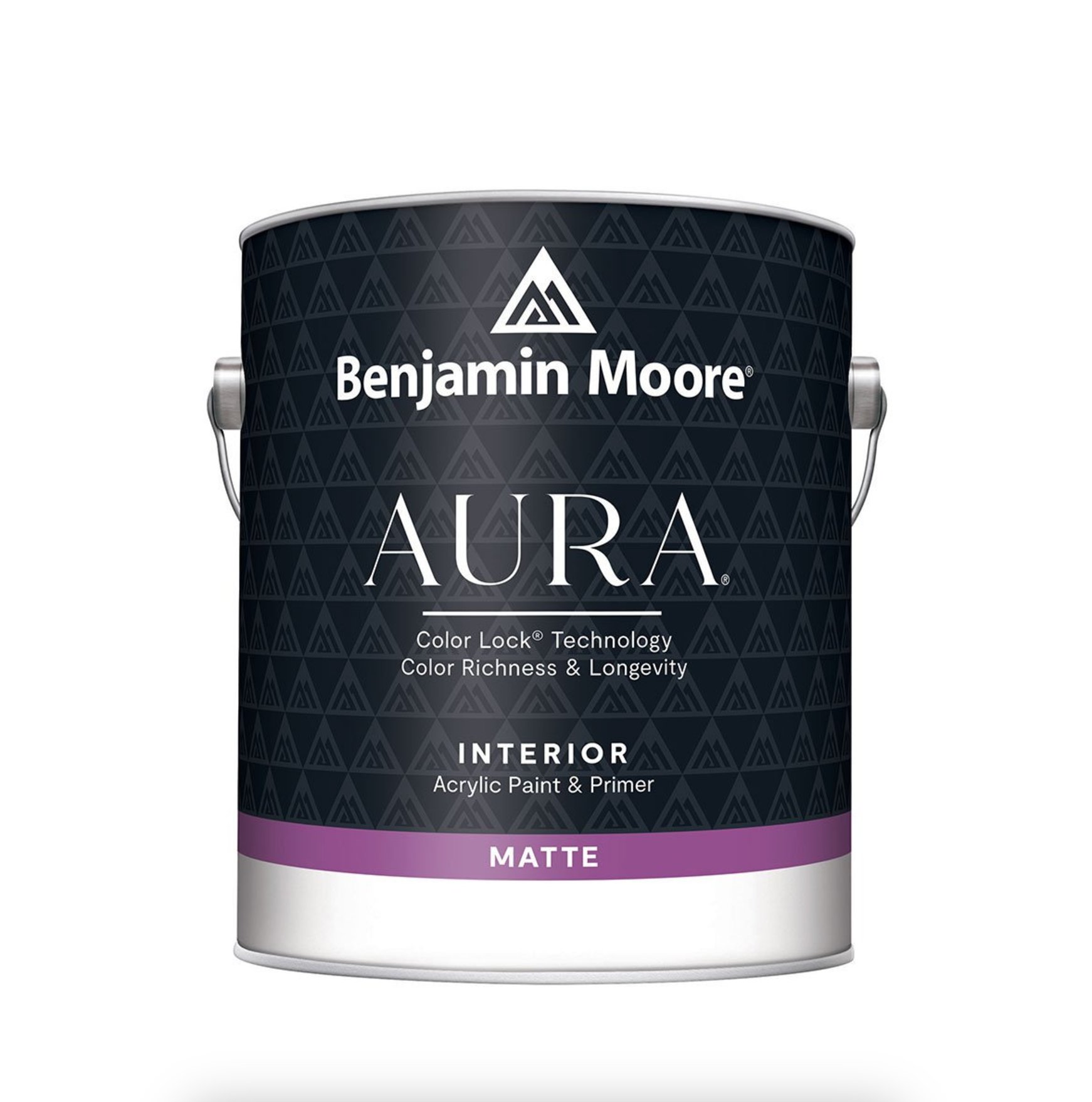
Aura is their top-shelf option at about $95 per gallon. The standout feature is Color Lock technology, and in real homes those colors do stay true for years.
They've added anti-fungal ingredients, which makes Aura a smart choice for bathrooms and other damp spaces.
It is thick and takes some know-how to work with, but the payoff is coverage. In most properly prepped rooms, two coats are enough.
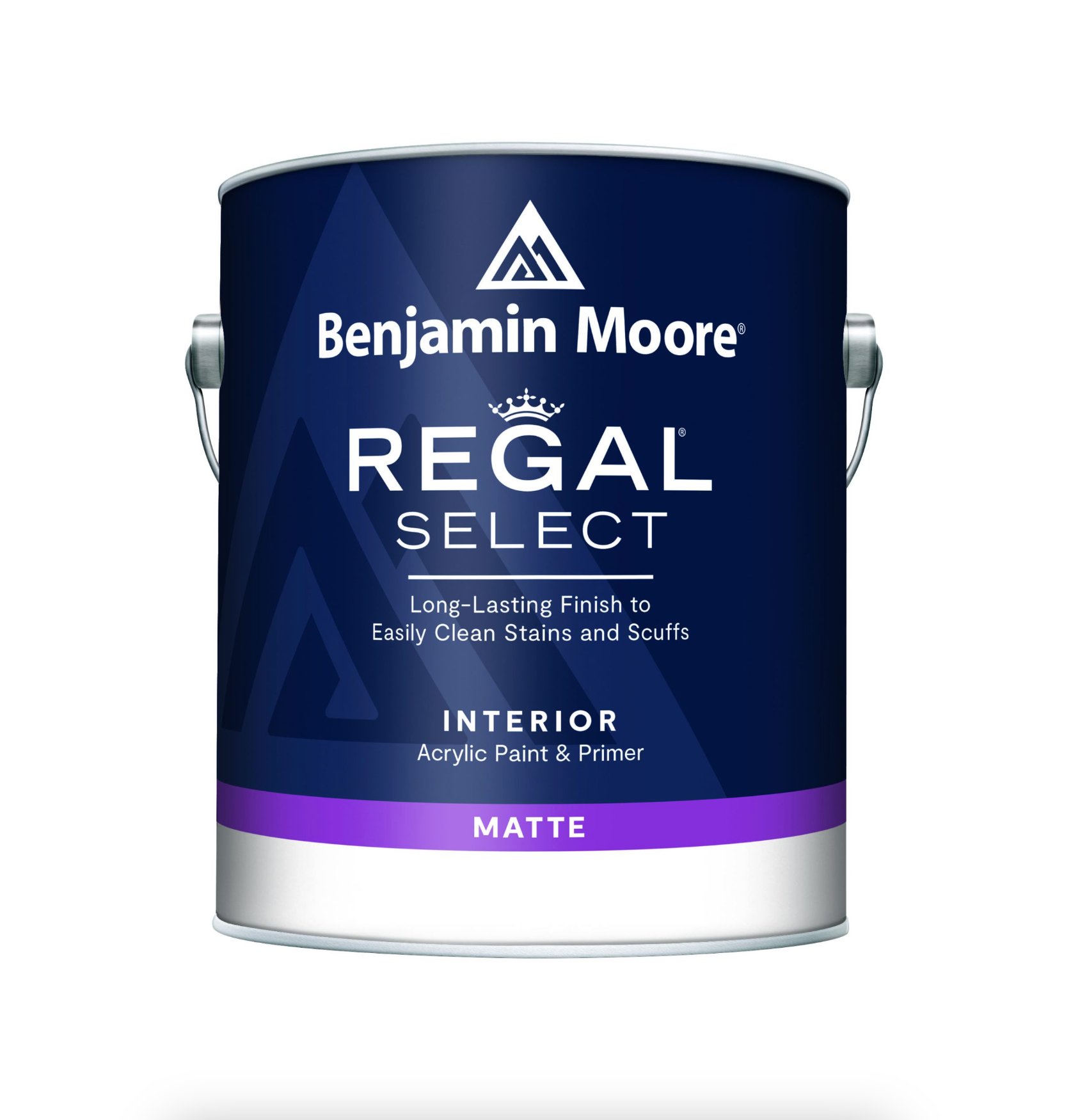
Regal Select is my go-to Benjamin Moore line for most jobs. At around $80 per gallon, you get strong coverage, up to 450 square feet from one gallon. It comes with built-in primer and stain blocking, which makes the job easier.
This is the line I would steer most DIYers toward. It is forgiving if your roller technique is not perfect, and it helps hide minor wall imperfections.

Ben is their budget-friendly line at about $50 per gallon. It is the cheaper option, but you still get decent coverage and built-in primer.
Use it where you need to watch spending and do not need a hard-wearing finish. Ceilings, guest rooms, and low-use walls make more sense than a hallway or kids' room.
Sherwin-Williams Paint Options
Sherwin-Williams has a broad lineup, but these are the three lines homeowners ask me about most often:
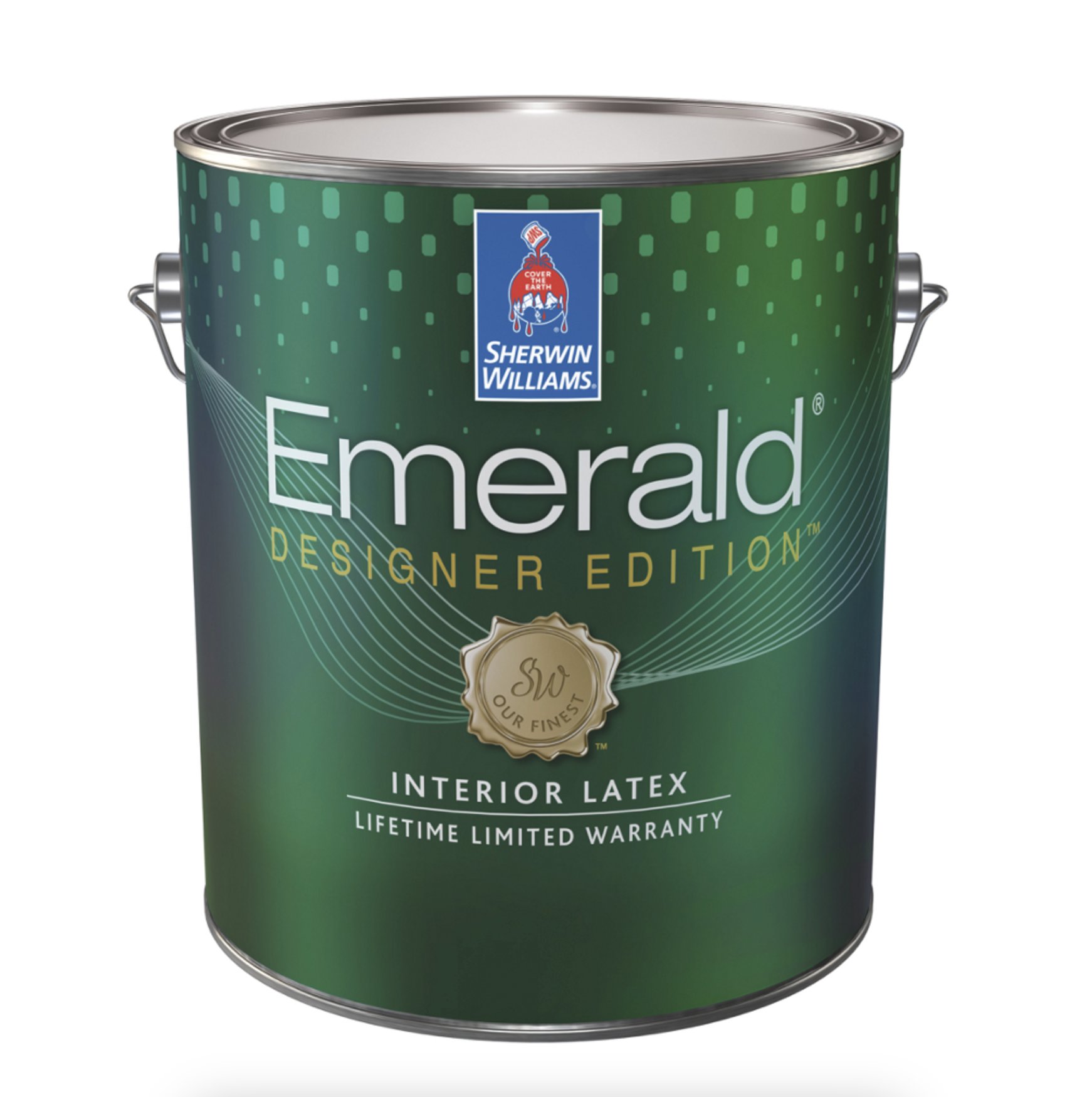
Emerald is their premium line, and you can feel the difference during application. Coverage is strong, and the stain-blocking technology actually works. Even pencil marks wipe off more easily than they do on cheaper paint.
At about $95 per gallon, it is worth considering for kitchens, bathrooms, laundry rooms, and high-use walls. It is especially good for damp areas because it fights mold.

Duration hits the sweet spot at $80 per gallon. It fights bacteria and primes as it paints, so you may not need a separate primer on many standard repaint jobs.
It goes on smoothly and is less prone to patchy-looking spots. I like it for bedrooms and living rooms where you want a clean finish without paying for Emerald.

SuperPaint is their more wallet-friendly option, and it performs well in sunny spaces. Even at a lower price point, it covers well and cleans up nicely.
I often point people toward this one for basic jobs. You get solid quality without paying for the top shelf.
Final Recommendations
Here is my bottom line: if color nuance is the priority, I would choose Benjamin Moore. If convenience, sale pricing, and easy access are the priority, I would choose Sherwin-Williams.
For most interior walls, I would rather see you buy Regal Select or Aura from BM, or Duration or Emerald from SW, than chase the cheapest gallon from either brand. The product line will affect coverage, washability, and touch-up more than the brand argument will.
My practical rule is simple: use Benjamin Moore for whites, creams, dark statement colors, and color-sensitive rooms. Use Sherwin-Williams for larger jobs where a sale changes the budget, for quick local access, and for high-traffic rooms where Duration or Emerald is already the painter's preferred system.
Do not save money by dropping too far down the line. Cheap paint often means an extra coat, weaker washability, and earlier repainting. Buy the best line you can reasonably afford from either brand, sample it in the actual room, and choose the sheen before anyone opens the first gallon.

I'm Elizabeth, your go-to guide for all things paint and design! My days are filled with color swatches and innovative room makeovers. When I'm not painting the town - literally - I'm soaking up inspiration from my travels. This blog is my way of sharing my passion and making the world a more vibrant place, one color palette at a time.