The Best Paint for Trim and Baseboards
The best paint for trim and baseboards is a durable enamel or hybrid acrylic-alkyd that levels well, cleans easily, and cures hard enough for scuffs, shoes, vacuum bumps, and damp cloths. Wall paint can look fine for a week, then start showing brush marks, gray rubs, and chipped corners.
Trim asks more of paint than most people expect. Baseboards catch dust and mop water. Door casings get hit by bags and hands. Window trim sees condensation and sun. The paint has to suit the surface, the amount of abuse it gets, and the color sitting next to it on the wall.
Here are the trim paints I trust most, how they differ, and the finish choices that save you from repainting the same baseboards next year.
What Makes a Great Paint for Trim and Baseboards?
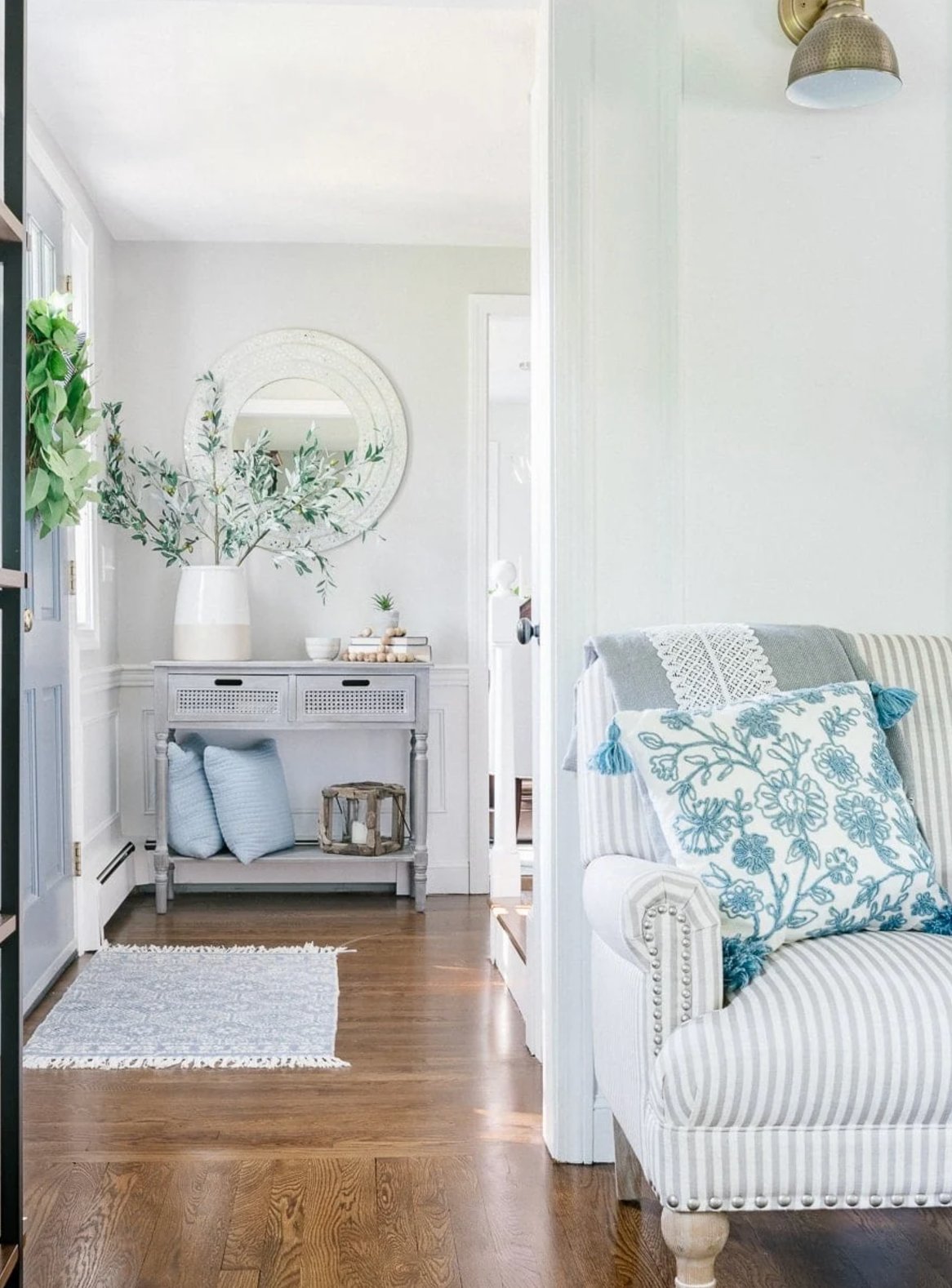
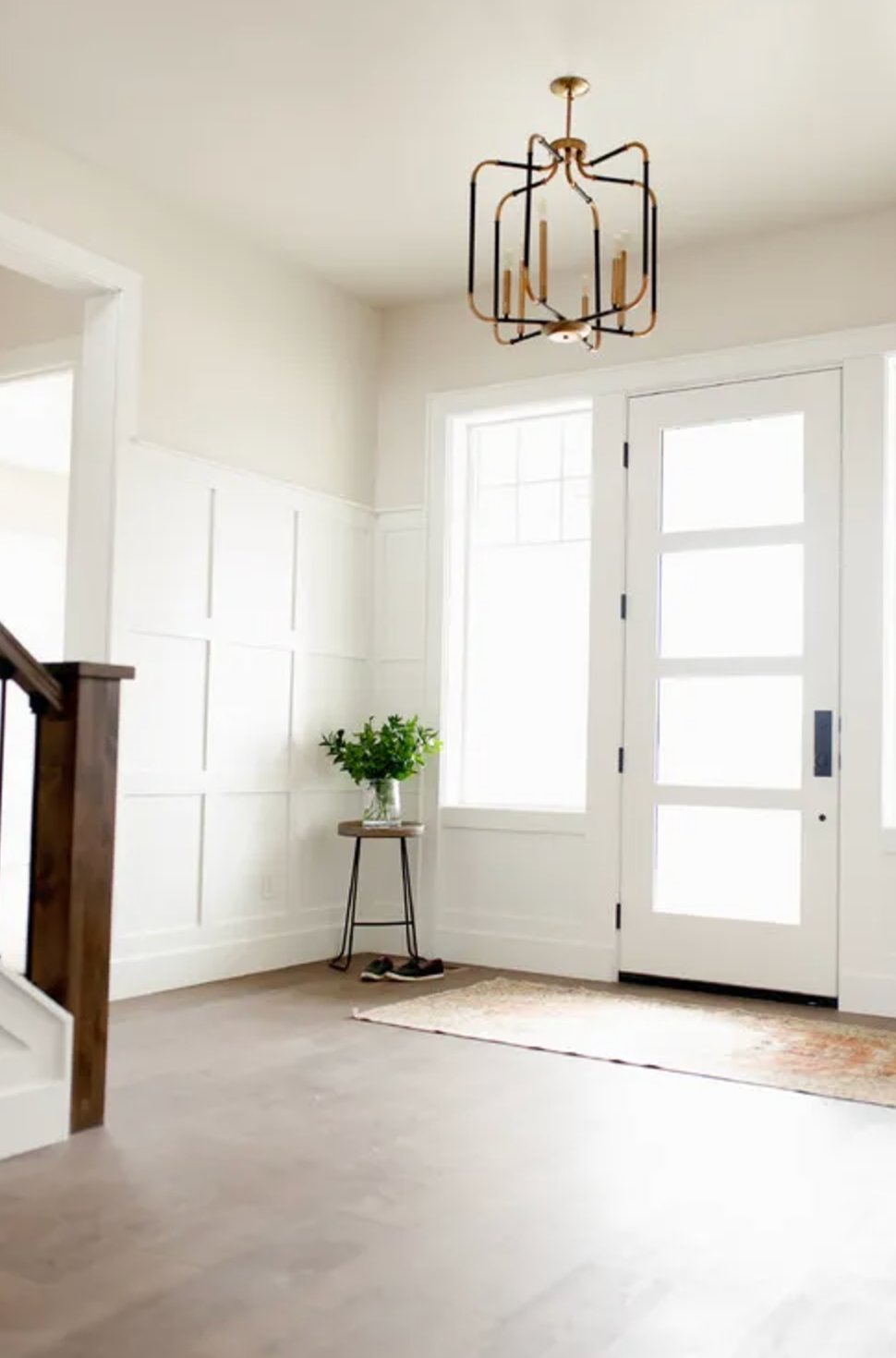
The first thing I look for is smoothness. A good trim paint levels as it dries, so light brush marks settle before the film cures. Thin wall paint tends to freeze those marks in place, especially on long runs of baseboard where light skims across the surface.
Durability matters just as much. Trim gets bumped, scratched, dusted, wiped, and kicked. The finish should cure hard enough that a damp microfiber cloth does not dull it or leave shiny rubbed spots.
About the price: quality trim paint usually runs $40 to $110 per gallon. That feels expensive until you compare it with sanding, taping, and repainting failed trim. This is one of the places where I do not try to save $20.
I rarely specify oil-based paint for interior trim now. Modern acrylic-alkyd and enamel formulas give you the harder, smoother finish people liked about oil paint, but they clean up with water and do not bring the same heavy solvent smell into the house.
Best Trim Paints and Why
These are the three trim paints I reach for most often. They are not identical, so the best choice depends on whether you care most about leveling, dry time, scrub resistance, color availability, or budget.
1) Benjamin Moore Advance
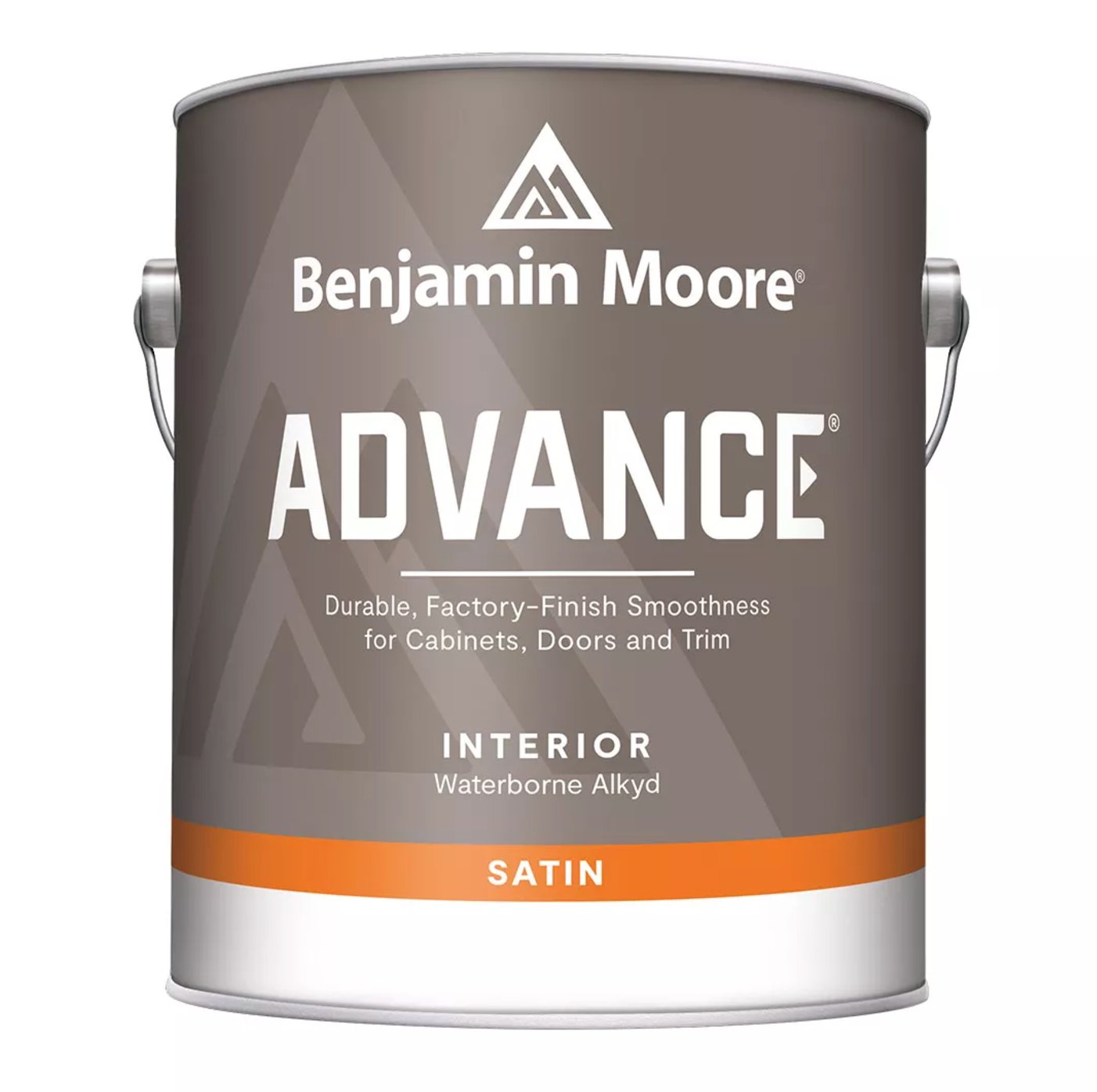
Advance by Benjamin Moore is still my benchmark for painted trim. The hybrid alkyd-acrylic formula has excellent self-leveling, so the paint flows out smoothly and softens brush marks before it sets. The tradeoff is patience: it dries slower than many water-based trim paints, and you need to respect the recoat time.
The cured finish is hard and does not yellow the way old oil-based trim paints often did. I like it most on door frames, windowsills, stair trim, and any spot where hands or cleaning cloths hit the same area every week.
Cleanup is soap and water, which matters if you are painting a bedroom hallway or a house with kids at home. You still need ventilation, but you are not dealing with the same harsh oil-paint fumes.
2) Sherwin-Williams Emerald
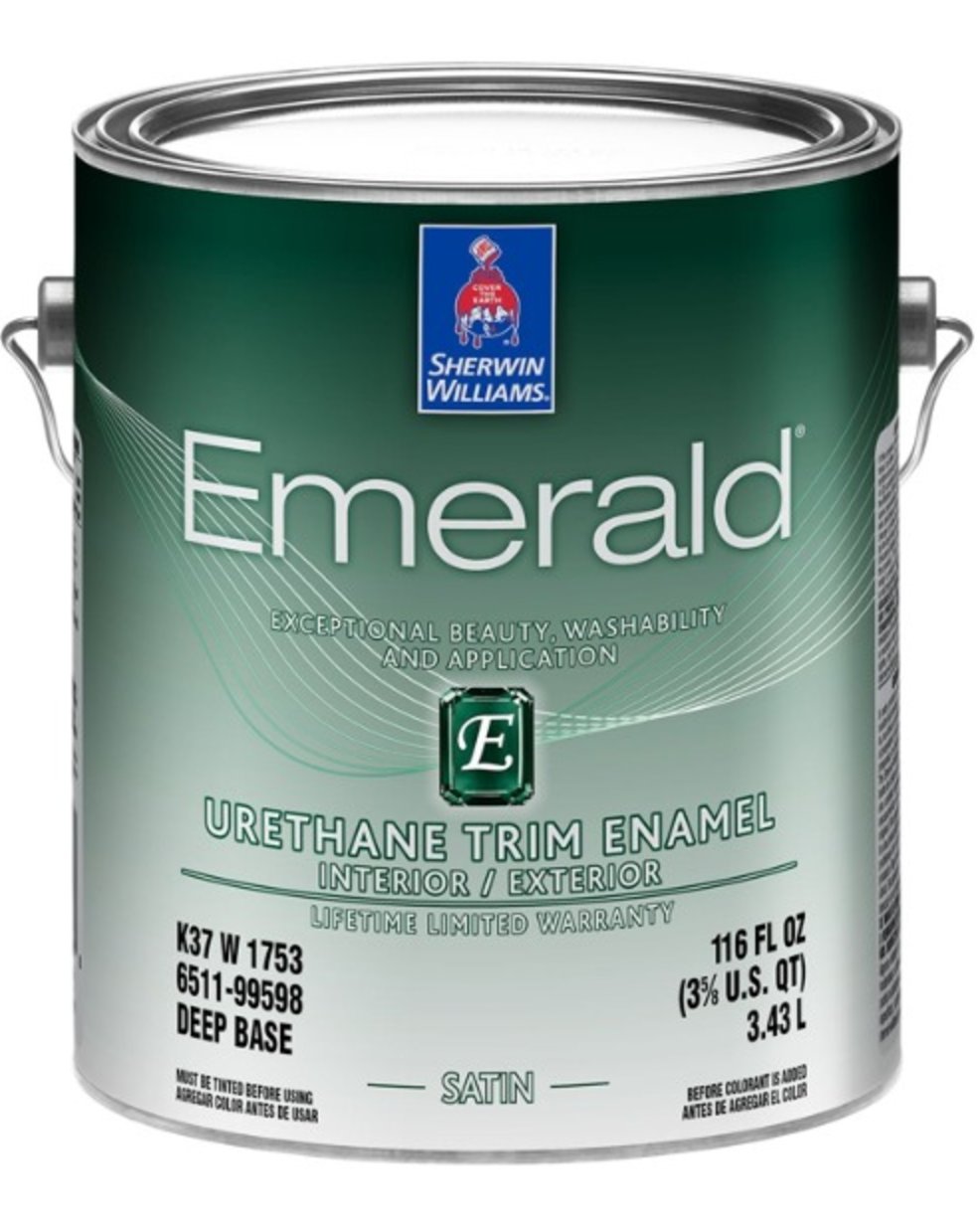
SW Emerald Urethane Trim Enamel is the Sherwin-Williams option I would compare most closely with Benjamin Moore Advance. It is expensive, often around $120 per gallon, so I save it for trim that needs a very tough finish.
It dries faster than Advance and has a lower-sheen look than many people expect. The semi-gloss reads closer to satin in real rooms, which can be a benefit if you want washable trim without a plastic-looking shine. Once cured, the surface is hard and handles scratches well.
3) INSL-X Cabinet Coat
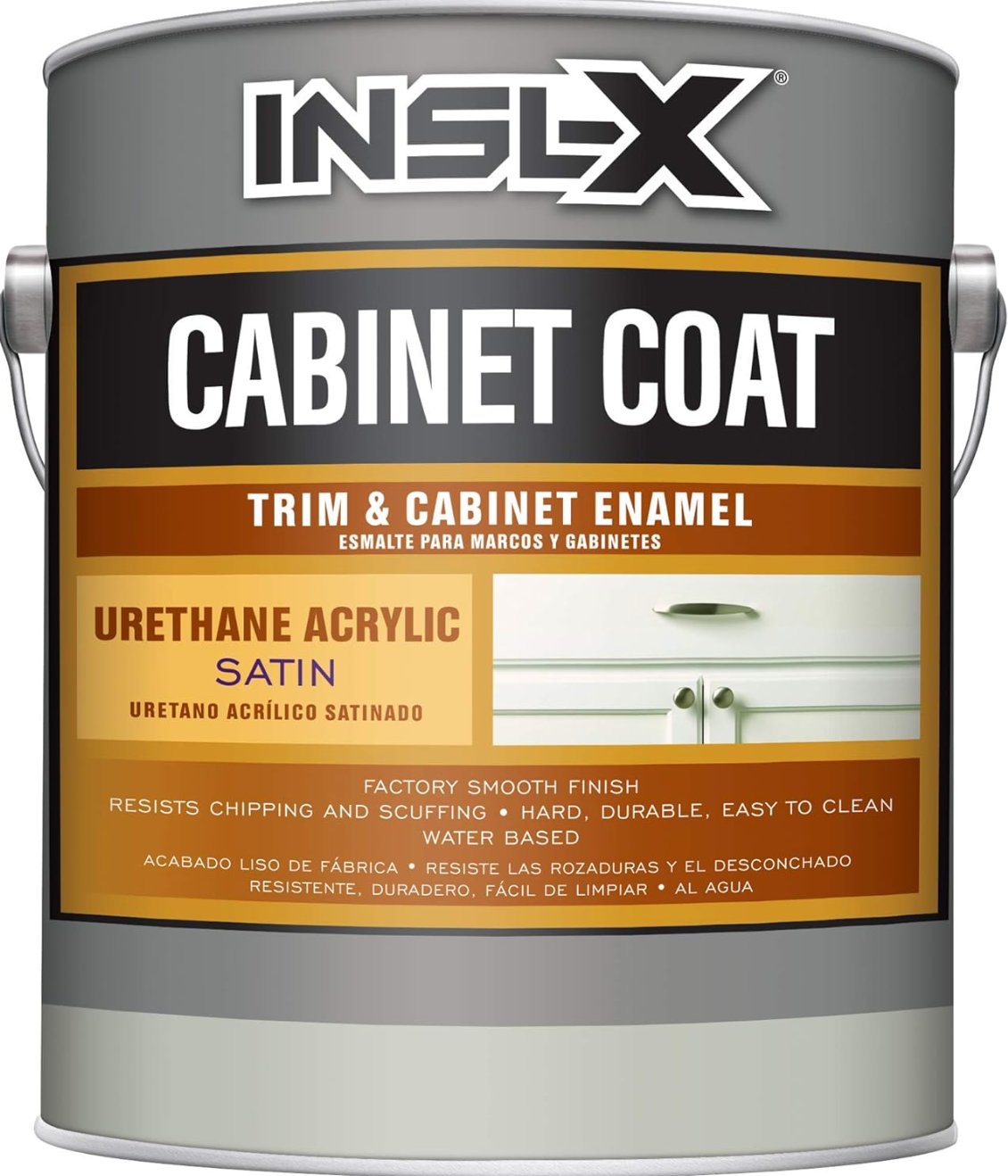
This lesser-known brand, owned by Benjamin Moore, is the practical value pick. You can find it on Amazon, and it usually costs less than the premium options above.
Cabinet Coat gives solid one-coat coverage on many previously painted surfaces and dries quickly. You can touch it after about an hour, which is helpful when you are working around doors, pets, or a hallway everyone still needs to use.
Its biggest selling point is adhesion. On clean, sound, previously painted trim, you can often skip a separate primer. I still prime raw wood, glossy oil paint, stained trim, knots, and any area with tannin bleed. Cabinet Coat is especially useful on bathroom baseboards and other damp spaces because it resists peeling and wipes clean.
The main downside is color selection. It is not as extensive as Benjamin Moore or Sherwin-Williams, so check your color before you build the whole project around it.
What's the Best Paint Finish for Trim?
For most homes, satin or semi-gloss is the right finish for trim. I choose between them based on the condition of the trim, the wall sheen, and how much cleaning the room gets.
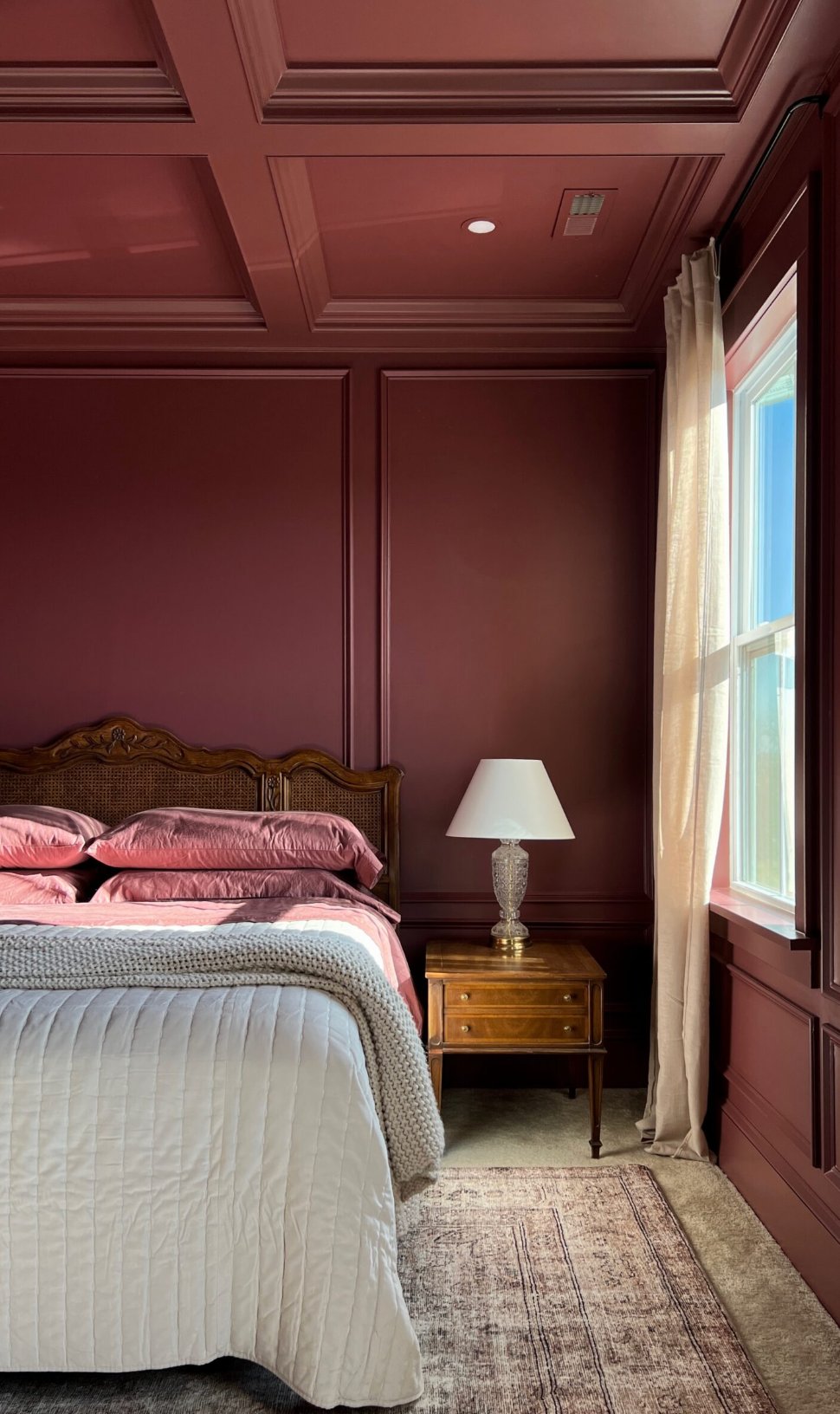
Satin Finish (moulding, baseboards, coffered ceiling beams, etc.)
source
A satin finish gives trim a soft glow without making every casing look shiny. It holds up well to daily wear, wipes clean, and is forgiving on older baseboards with small dents, old caulk lines, or less-than-perfect sanding.
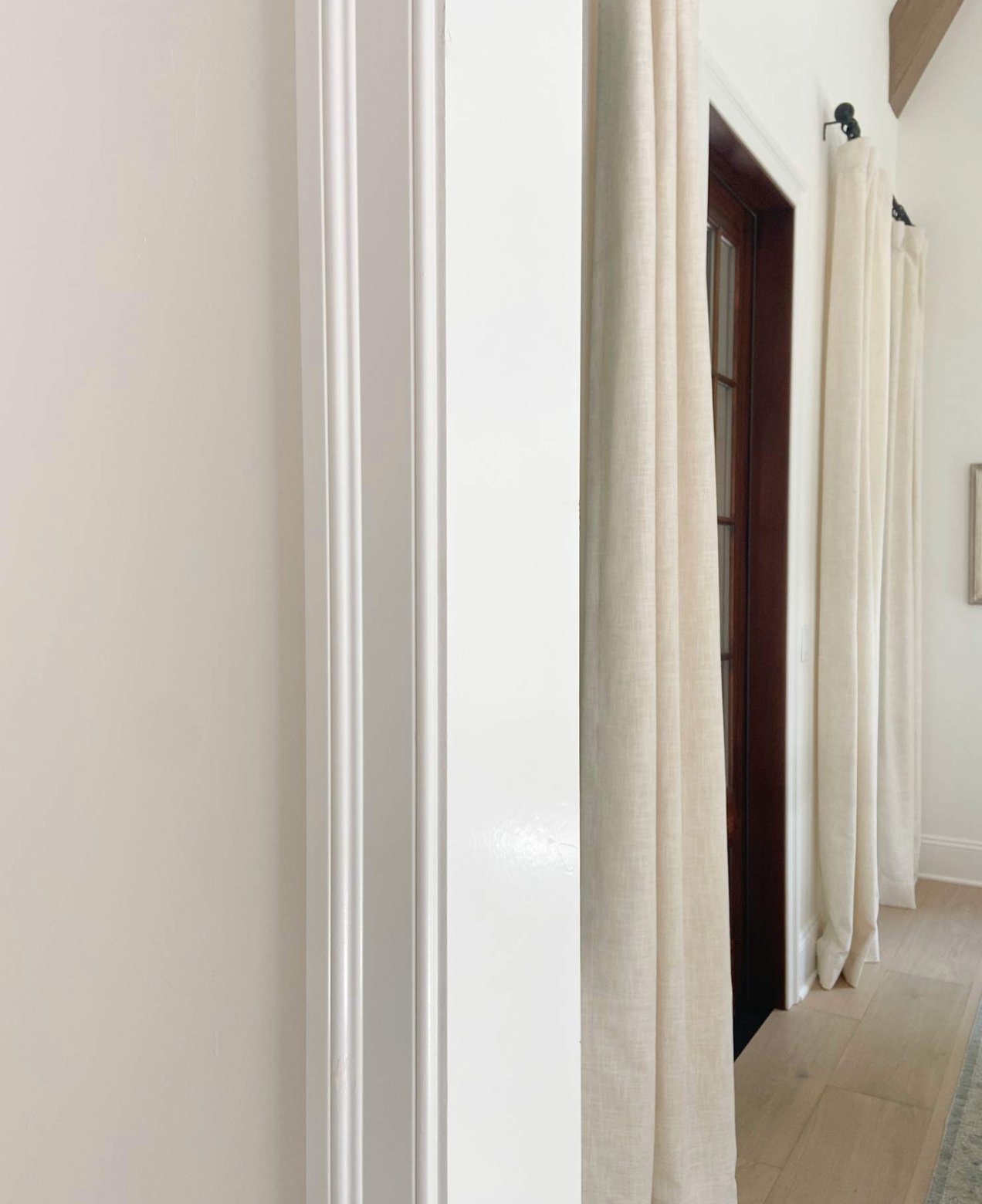
Semi-gloss trim with flat walls
source
Semi-gloss is a good choice when you want a crisper, more reflective trim line. It bounces more light and can be easier to wipe down in kitchens, baths, mudrooms, and kids' rooms.
The catch is that it shows every bump, ridge, nail hole, and brush mark. That is usually the wrong tradeoff in older homes unless the trim has been carefully repaired first.
My rule of thumb: the shinier the finish, the more it shows imperfections.
For a new build with pristine trim, semi-gloss can look sharp. For an older home with layers of paint or uneven baseboards, I usually choose satin.
I like the contrast of matte or eggshell walls with satin trim. It gives the room depth without making the trim compete with the wall color.
How to Choose the Right Trim Color
White trim is the safest answer in most homes, and I have a separate post on my favorite trim shades if you want a deeper color list.
Start with the wall color, fixed finishes, and natural light. A white that looks clean beside a cool gray wall can look harsh next to cream cabinets or oak flooring.

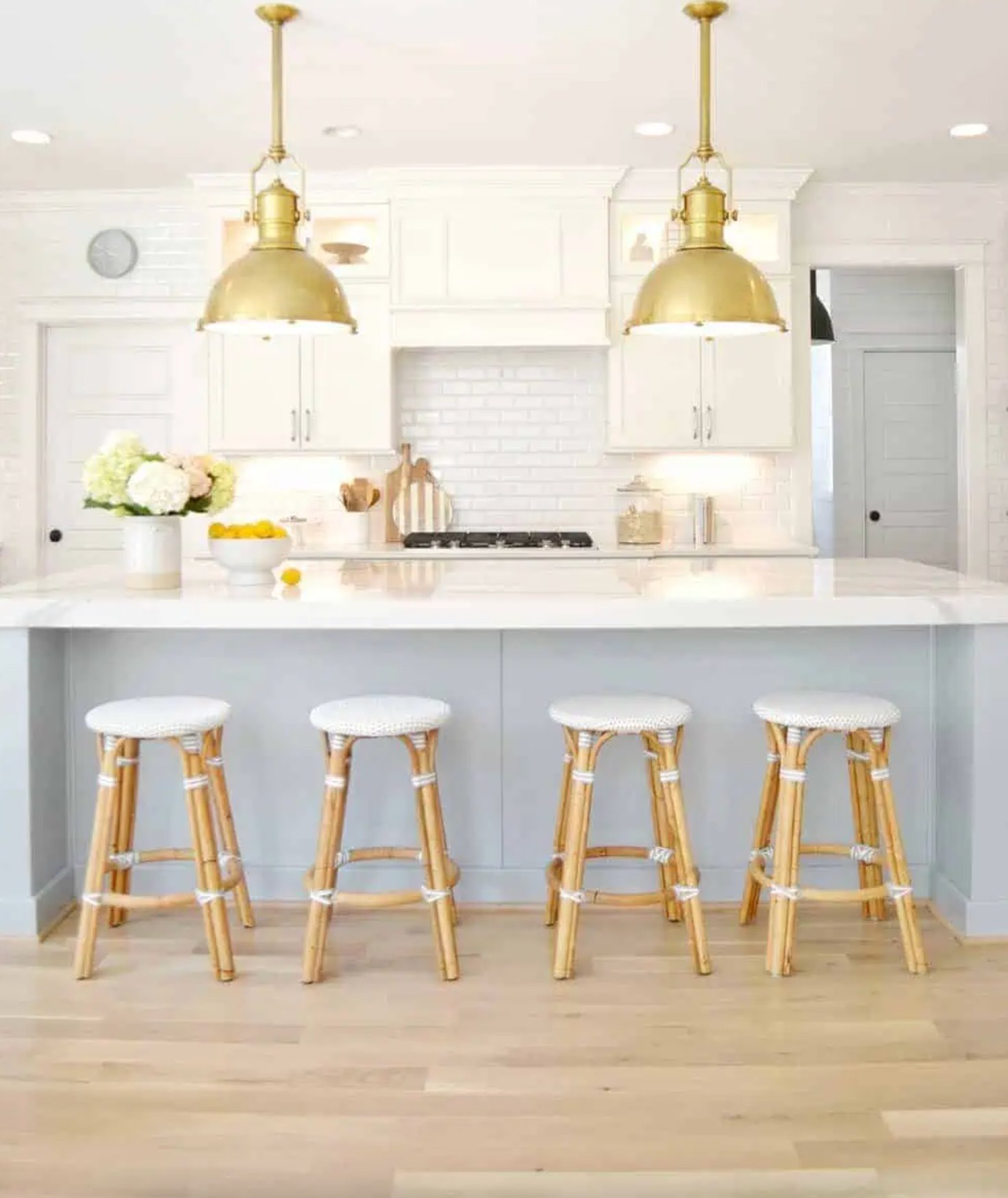
In modern spaces with cooler walls, black hardware, or crisp tile, a clean white like Sherwin-Williams' Extra White can work well. Test it first if the room gets strong afternoon sun, because bright whites can feel sharper in direct light.

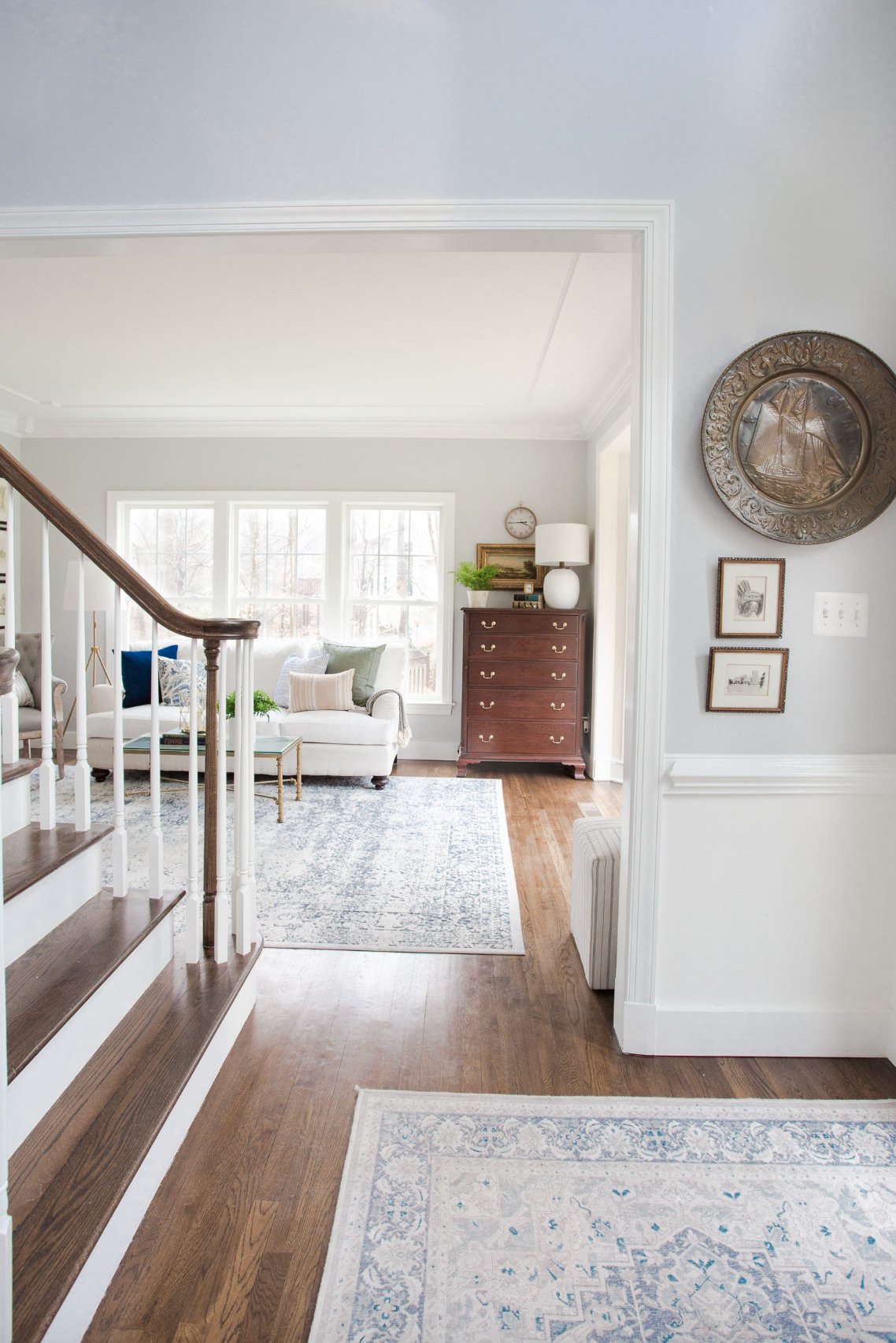
For a more traditional home, I usually start with warm whites. Benjamin Moore's White Dove gives trim a softer look without turning obviously yellow.


With light walls, the trim does not need a dramatic contrast. Going one step cleaner or slightly lighter on the trim is often enough to define the baseboards and casings without chopping up the room.

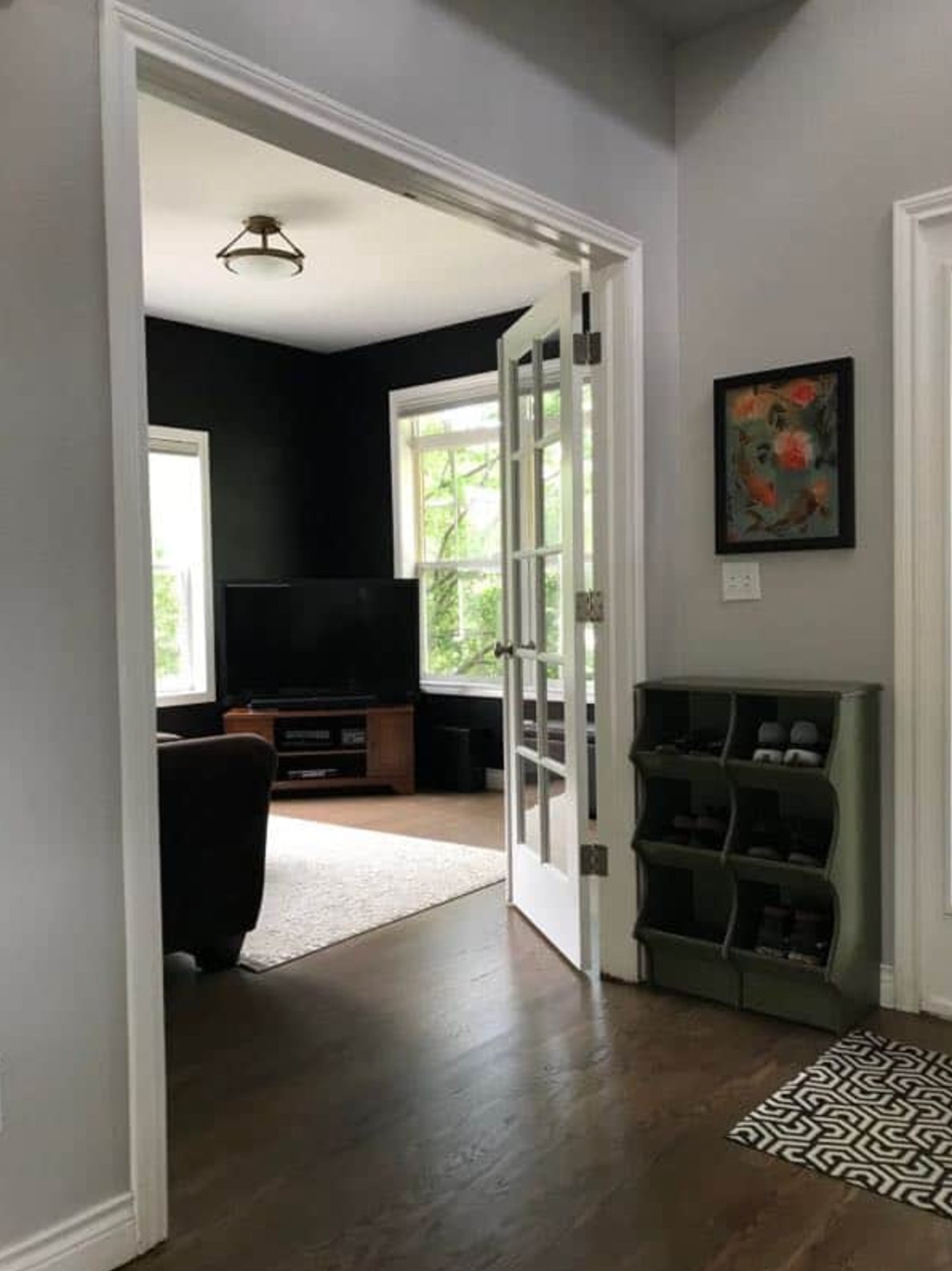
With dark walls, I am more likely to use a bright white like Chantilly Lace. The contrast gives you a clean edge, but only if the caulk line is neat and the cut line is steady.
A small visual trick: tall baseboards painted in the right white can make the ceiling feel higher in a smaller room. The effect works best when the trim color relates to the ceiling color instead of fighting it.
Tips for Painting the Trim
- Figure out how much paint you need before you start. In a typical house, one gallon often covers the doors and baseboards, but rough wood, deep colors, and extra-tall trim can use more. Buy enough for two coats if you are changing color.
- Sand before you paint. Use a 100-120 grit sanding block to dull glossy spots and knock down old drips. Vacuum the dust, wipe with a damp cloth, then follow with liquid sandpaper if the existing finish still feels slick or grimy.
- Caulk and fill before the final coat, not after. Fill nail holes, sand them flush, and use paintable caulk where the trim meets the wall. Let the caulk dry fully or the paint can crack along the joint.
- Use the right tools. I like a detail brush for tight spots and a microfiber roller for longer flat runs. Lay off the final pass in one direction so the sheen looks even.
- Clean your tools as soon as you are done for the day. A wire brush and the proper cleaner keep bristles from hardening at the ferrule, which is what ruins most trim brushes.

I'm Elizabeth, your go-to guide for all things paint and design! My days are filled with color swatches and innovative room makeovers. When I'm not painting the town - literally - I'm soaking up inspiration from my travels. This blog is my way of sharing my passion and making the world a more vibrant place, one color palette at a time.