What's the Best Paint for Furniture? (Of Any Type)
The best paint for furniture depends on the surface and how hard the piece will be used. For most daily-use pieces, I reach for enamel or a durable acrylic. For decorative pieces, chalk paint and milk paint can give you more character, as long as you protect the finish.
Furniture is not a wall. Hands, keys, coffee cups, drawer pulls, pet claws, and cleaning cloths all test the paint film. The wrong paint can look good for a week and then chip at the corners, soften under a damp rag, or peel off in sheets.
I learned this on real dressers, cabinets, stools, and thrifted side tables. Below is the practical version: which paints I trust, where they fail, and how to choose for wood, laminate, metal, and plastic before you open the can.
Why Different Furniture Needs Different Paint
Match the paint to the material first, then to the way the furniture will be used. A guest-room nightstand does not need the same coating as a kitchen table, a bathroom vanity, or a toy chest.
1) Different materials take paint differently. Raw wood absorbs paint, metal resists adhesion unless it is cleaned and primed, and plastic needs a primer made for slick synthetic surfaces.
2) Some finishes reject paint until you use the right primer. Lacquered, glossy, and factory-finished pieces can make paint bead up or scratch off with a fingernail. A bonding primer is often the difference between a weekend project and a redo.
Premium paints usually level better and cure harder, but they are not magic. They still need a clean surface, light sanding where appropriate, thin coats, and enough curing time before the piece goes back into use.
3) Dry time and cure time are not the same. A paint can feel dry in an hour and still be soft underneath for days. If you paint indoors, faster dry time helps keep dust and pet hair out of the finish, but you still need to wait before loading drawers, setting lamps on top, or wiping the surface hard.
Coat count depends on the paint and the color change. Some paints need 2 to 3 thin coats for solid coverage. Others cover in one coat, especially over a tinted primer or a similar base color.
Best Paint Types for Furniture
The main options are acrylic, enamel, chalk paint, milk paint, latex, oil-based paint, and spray paint. The labels sound similar, but they behave very differently on furniture.
Here is where each one makes sense, and where I would choose something else.
Chalk Paint
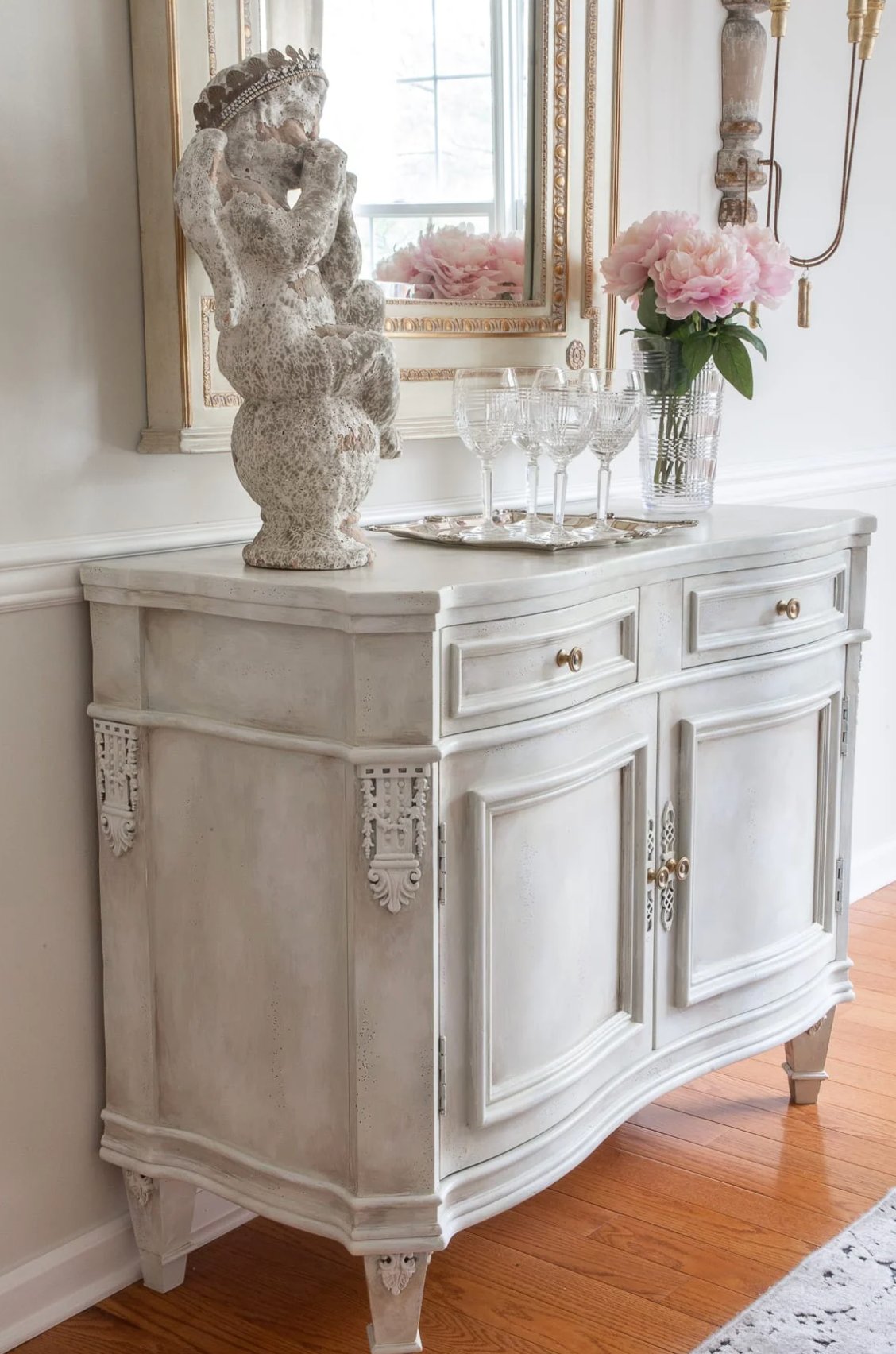
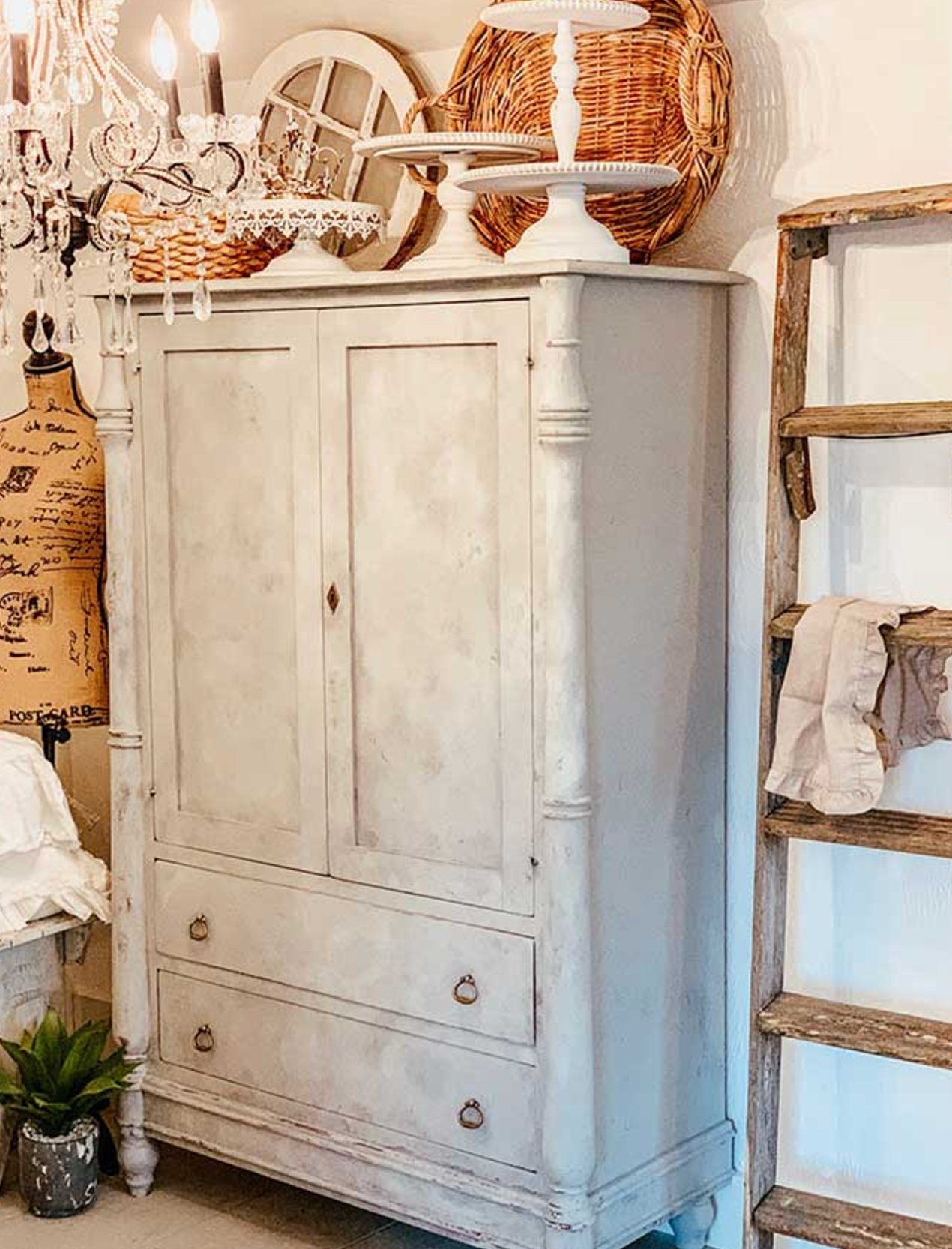
Chalk paint is a water-based paint with an ultra-matte finish and a thicker body than standard wall paint. It is useful when you want visible brush texture, soft color, or a vintage painted-furniture look without a long prep process.
I like it on antique pieces, decorative items, dressers, mirror frames, and cabinets that will be sealed well. It can make a new piece feel less flat, but it is not my first choice for a tabletop that gets scrubbed every day.
Application Features
Chalk paint usually grips well without primer, especially on clean wood and previously painted furniture. It also dries quickly enough that you can often apply more than one coat in a day.
Work in sections and stop brushing once it starts to set. If you keep fussing with half-dry chalk paint, the brush marks stay visible.
Suitable Materials
- Wood (even raw wood)
- Metal
- Glass
- Plastic
- Laminate
- Ceramic
Where to Skip It
- Surfaces that get wet often
- Furniture that kids use heavily
- Items you need to wipe down frequently
Preparation Requirements
Prep is minimal compared with enamel or laminate painting. Clean off dust, grime, and waxy residue, then let the piece dry before painting.
No sanding or priming is needed unless the surface is glossy, damaged, oily, or flaking. If the old finish is peeling, remove the loose finish first or the new paint will fail with it.
Cost
You're looking at about $23 to $40 per quart. Annie Sloan is the big name here and created the original formula. Rust-Oleum and the Joanna Gaines line from KILZ also make solid options.
Protective Coating
Chalk paint needs wax or another protective topcoat after it dries. Without that step, it scratches and stains easily. With a good wax, it can hold up for years on the right piece.
Acrylic Paint
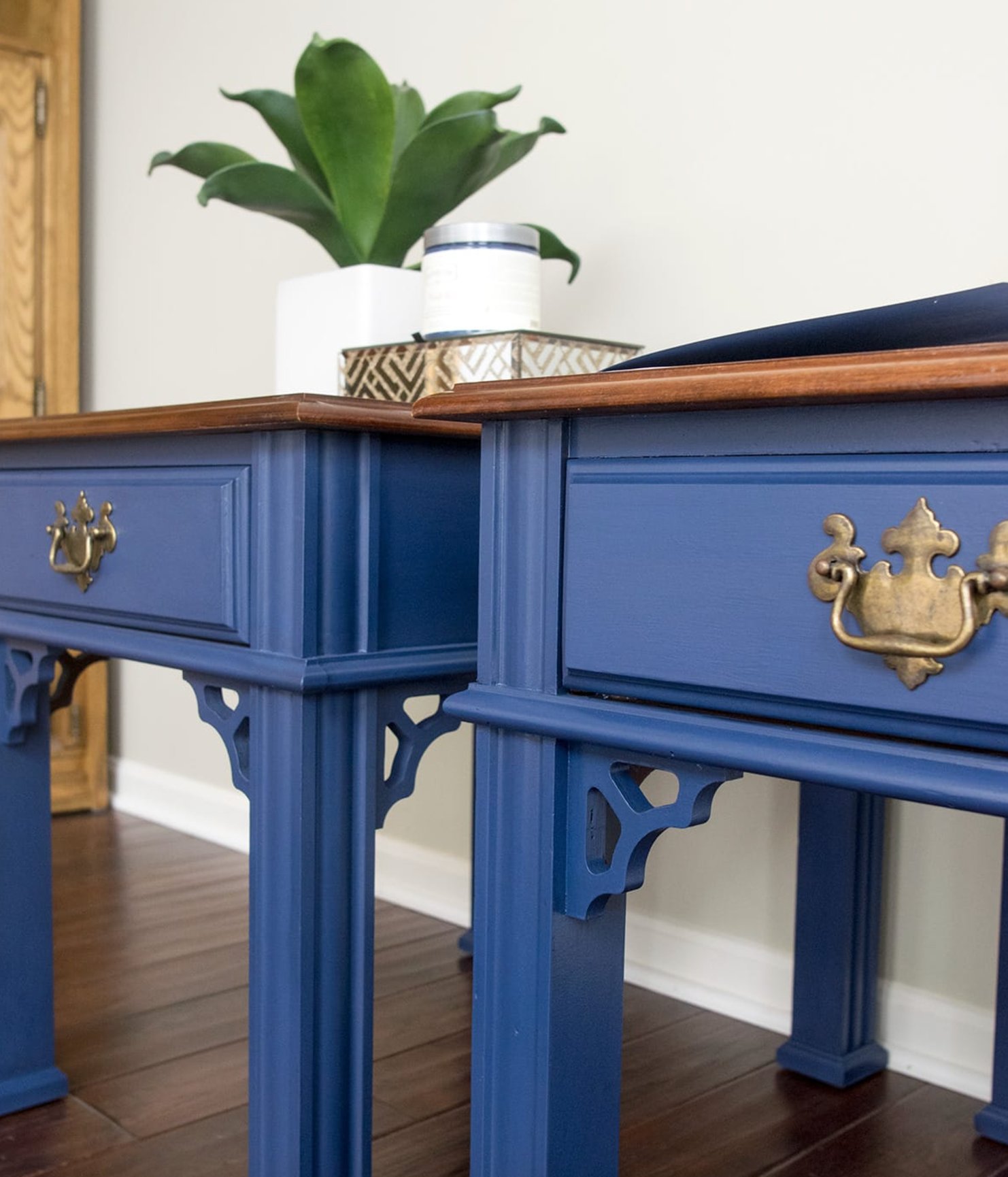
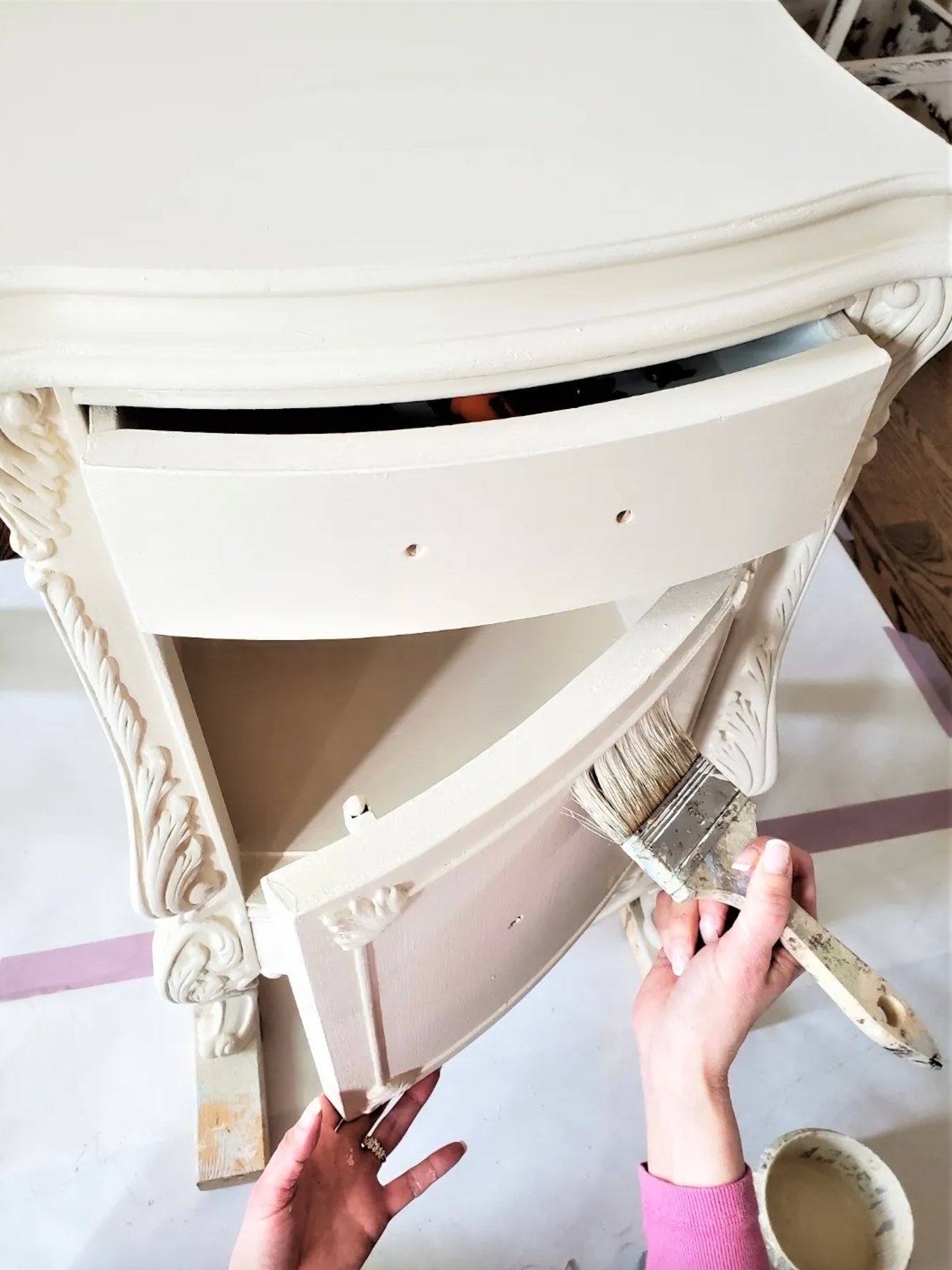
Acrylic paint is a water-based paint with pigments suspended in an acrylic polymer.
I reach for it on small furniture pieces, shelves, stools, and accent items when I want strong color coverage without the heavier feel of enamel. It can create a smooth finish and bonds well when the surface is cleaned and lightly scuffed.
Application Tips
Many acrylic furniture paints self-level as you apply them, which helps reduce brush marks. They dry faster than oil-based paints, but do not rush the cure time. A piece can feel dry to the touch and still dent if you set books, lamps, or drawer hardware on it too soon.
What It Works Best On
It sticks well to wood, MDF, metal, and some plastics. Use it for medium-duty furniture like nightstands, shelves, and decorative pieces.
When to Skip It
I would not use it on furniture that gets dragged around, climbed on, or wiped hard every day. It is reasonably tough, but constant abrasion will show before it would on enamel.
Getting the Surface Ready
Primer helps acrylic paint grip, though many acrylic furniture paints can go on without it. Clean the surface, remove grease, and sand lightly so the paint has something to hold.
Price Point
You're looking at $36 to $50 for a quart. That puts it in the middle range for furniture paint, though the containers tend to run small.
Good to Know
Acrylic paint holds color well, resists yellowing, and does not stain easily. You can skip the topcoat on low-use pieces, but I add one on shelves, nightstands, and anything that gets handled often. The low odor also makes it easier to paint indoors with normal ventilation.
Milk Paint
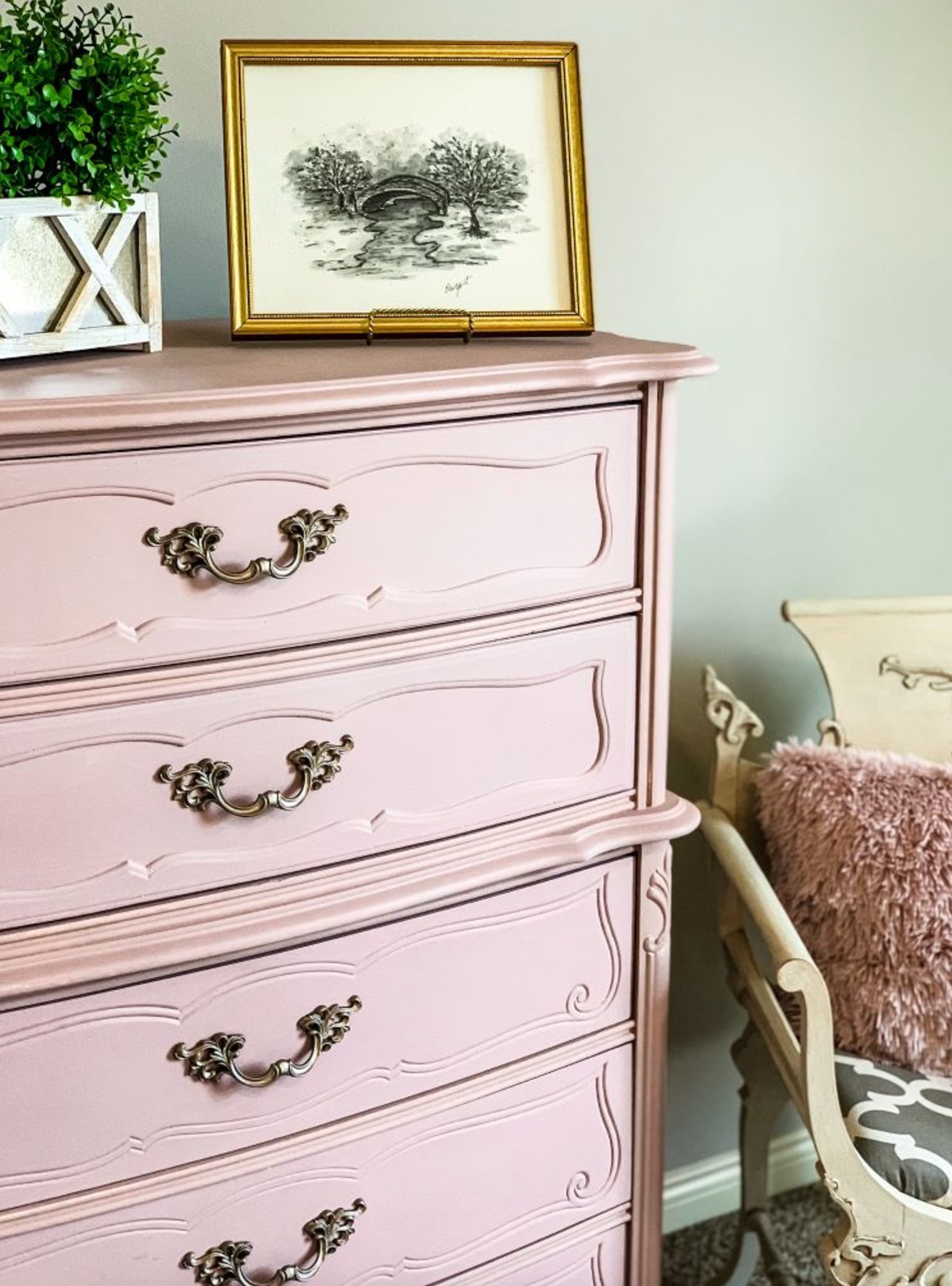
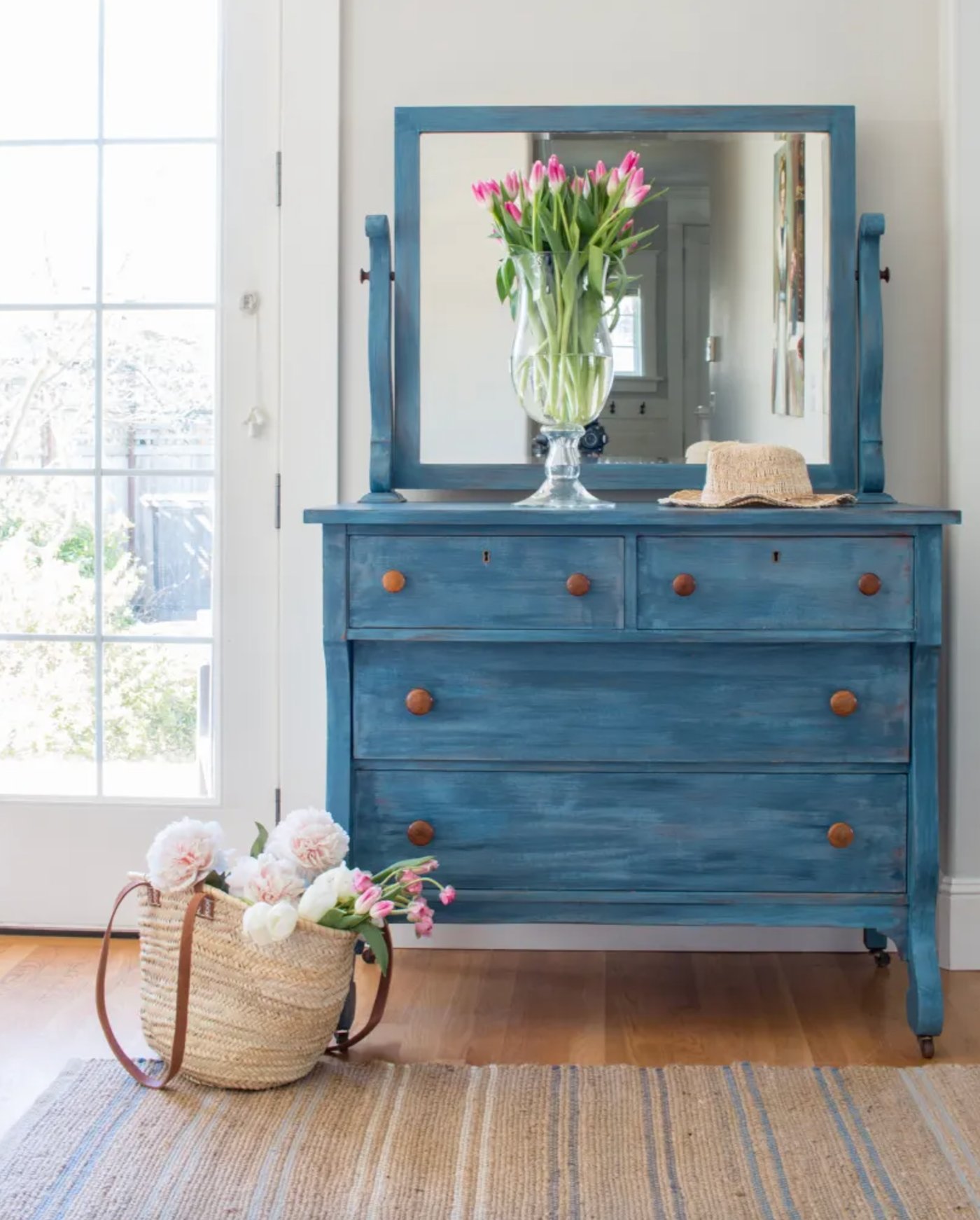
Milk paint is a good choice when you want an old-world finish on raw wood. Unlike film-building paints, it can soak into bare wood instead of sitting only on top.
It is an all-natural paint made from casein (a milk protein), lime, and natural pigments. It comes as a powder that you mix with water, so you can make only what you need for the project.
On bare wood, it sinks in and leaves a finish that looks aged in a way regular paint rarely does. On a smooth existing finish, use a bonding agent. Without it, milk paint may chip or peel in patches.
Milk paint has a variable finish. It may dry a little unevenly or create random distressed spots, which is part of the appeal. If you need factory-smooth coverage, choose acrylic or enamel instead.
Prep work is pretty minimal. Clean off dirt and grease, then let the surface dry. For protection, I usually follow up with either wax or oil.
Price-wise, you're looking at anywhere from $20 to $200 per gallon. For my smaller projects, I typically spend around $30 to $40.
Best Uses:
- Raw wood pieces
- Old furniture that needs a refresh
- Anything where you want that authentic vintage look
Not Great For:
- Glossy furniture (unless you use a bonding agent)
- Pieces where you need completely even coverage
- Items that get wet often
Enamel Paint
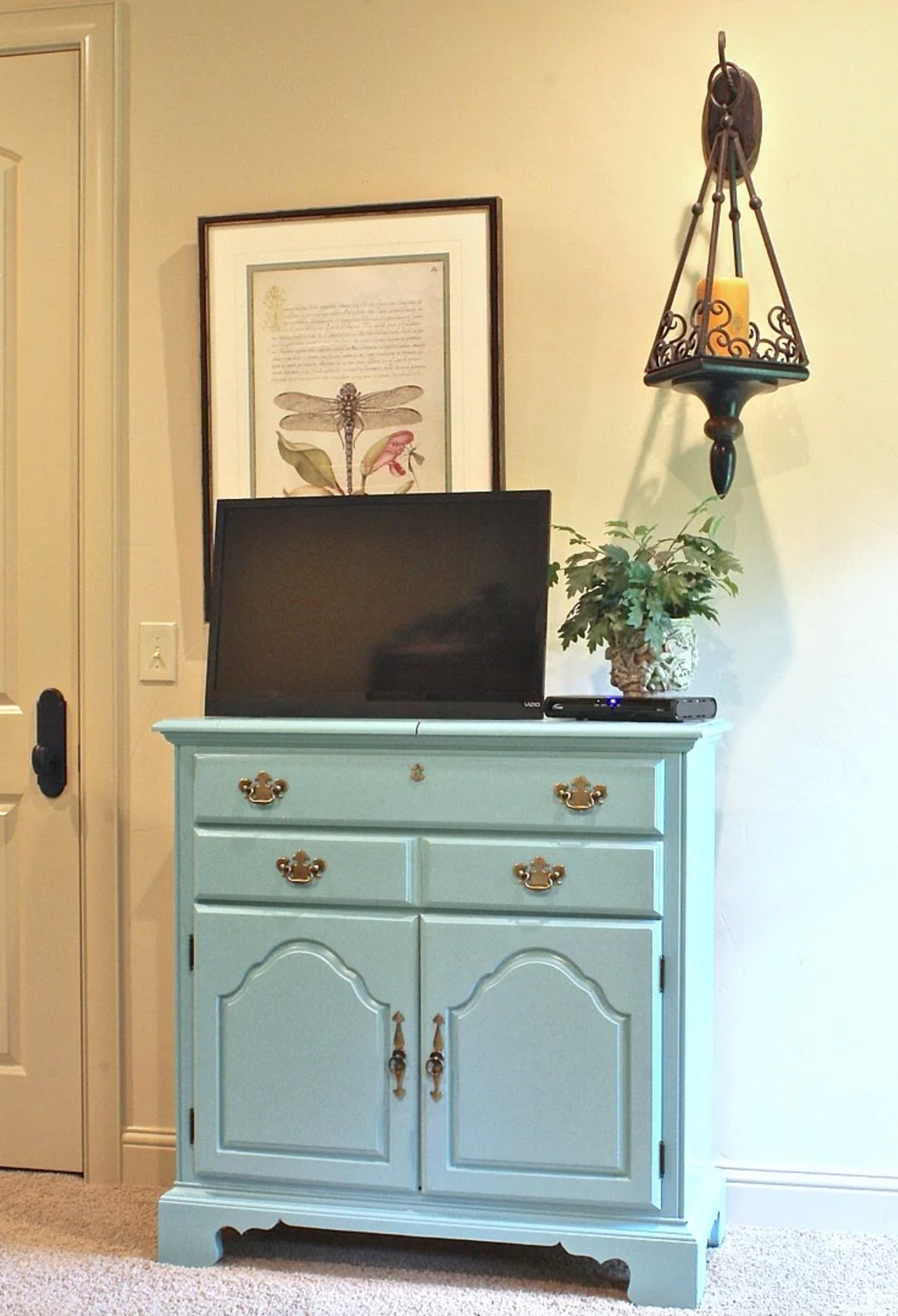
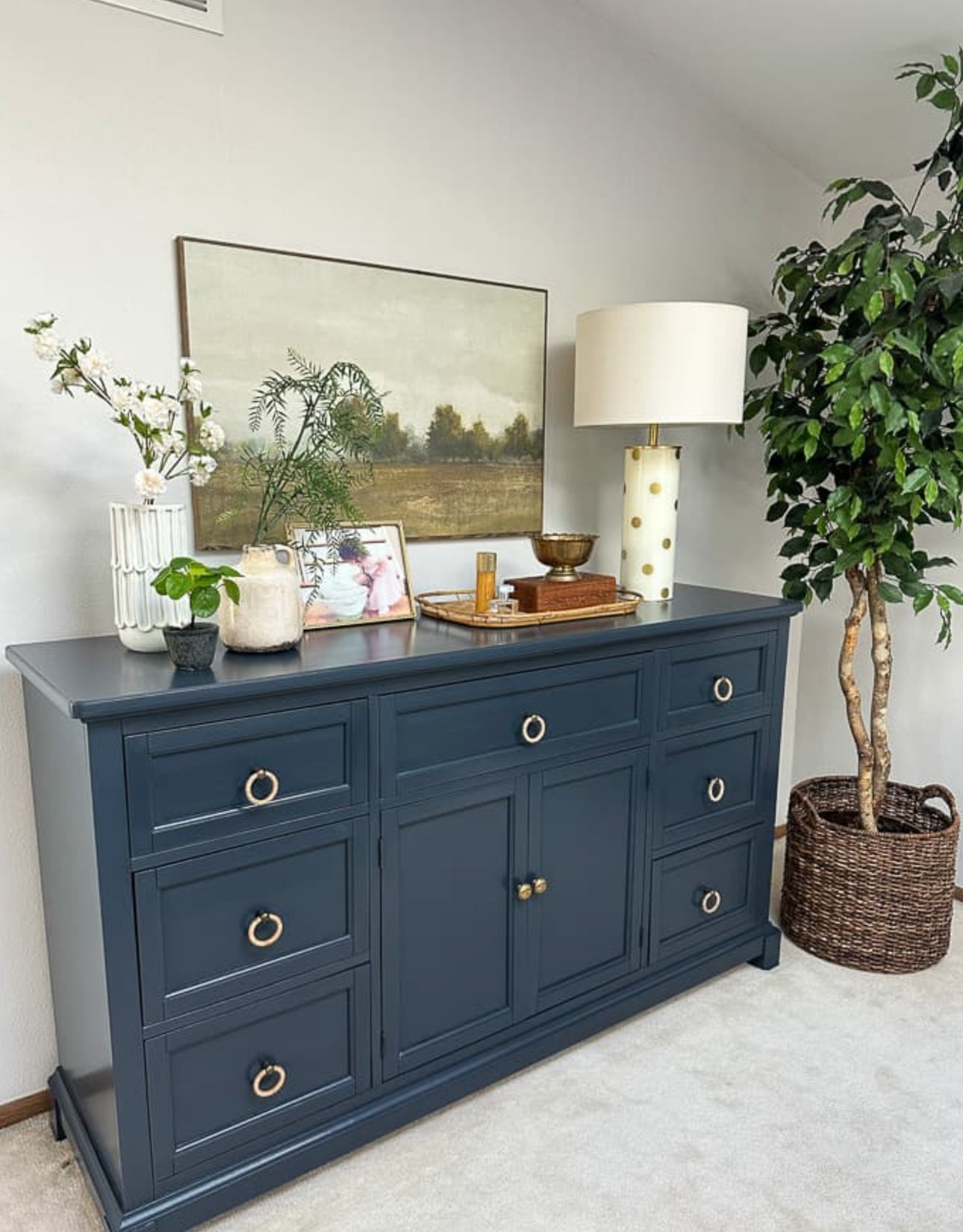
For heavily used furniture, enamel paint is usually the strongest choice. I have tested plenty of finishes on cabinets and tables, and enamel is the one I trust most for daily wear.
This paint creates a hard finish with a subtle sheen. With thin coats and light sanding between coats, the surface can feel smooth to the touch without rough spots or streaks.
Water-based enamels are especially useful now because they do not yellow the way many oil-based paints can. That matters on whites, creams, pale grays, and light cabinet colors.
The moisture and cleaning resistance are the reason I use enamel in hard-working rooms. My kitchen cabinets get cleaned with soap and water regularly, and the finish has held up well after a year. That is why enamel makes sense for kitchens, bathrooms, and entryways.
Apply thin, even coats and let each one dry completely. I give it a quick pass with fine-grit sandpaper between coats, then remove the dust before painting again. Usually, 2 to 3 coats do the trick.
Do not skip the prep work. Clean off dirt and grease, sand the surface, and use a primer so the enamel can bond instead of sitting on top of residue.
Enamel works well on wood, MDF, metal, and even laminate, as long as the surface is prepped correctly.
It is not the cheapest option. A gallon of good paint like Sherwin-Williams Emerald will set you back about $75 to $85. For furniture that gets used daily, that cost is easier to justify.
Worst Paint Types for Furniture
Spray Paint
Spray paint is fast and leaves no brush to clean, but I rarely choose it for indoor wood furniture. It is hard to control the film thickness, especially on corners, carved details, and porous spots.
On wood and other porous surfaces, spray marks and uneven coverage show quickly. If you spray too lightly, the finish looks dusty and thin. If you spray too heavily, you get drips down the sides.
The main exception is plastic furniture. A spray paint made specifically for plastic can work well because it reaches curved surfaces and outdoor chair shapes more evenly than a brush.
Latex Paint
That half-full can of wall paint is tempting, especially when you are trying not to waste paint. For furniture, standard latex wall paint is usually a poor tradeoff.
Latex wall paint is made for vertical drywall, not constant touching, sliding objects, drawer edges, and cleaning.
It often starts peeling around edges and corners first. I learned this on a coffee table that looked patchy after only a couple of months.
Regular cleaning is another problem. A few wipe-downs with a damp cloth can soften the finish and wear it away.
You can seal latex wall paint with a topcoat, but by the time you add that labor and cost, a furniture-grade paint would have been the better choice.
Oil-Based Paint
I rarely recommend oil-based paint for furniture now. It is durable, but crisp white pieces can take on a dingy yellow tone over time.
The smell is also a real issue. The fumes linger, and opening windows only helps so much, especially if you are painting during cold weather.
The process is slower, too. You may need up to 24 hours of drying time between coats. Cleanup requires special solvents and takes longer than water-based paint cleanup.
Oil-based paint is tough, but modern water-based enamels give most furniture projects the durability they need with less odor, easier cleanup, and better color stability.
Paint by Surface Material
Start with the material before you choose the paint. Wood, laminate, metal, and plastic all need different prep, and that prep matters more than the brand on the can.
Wood
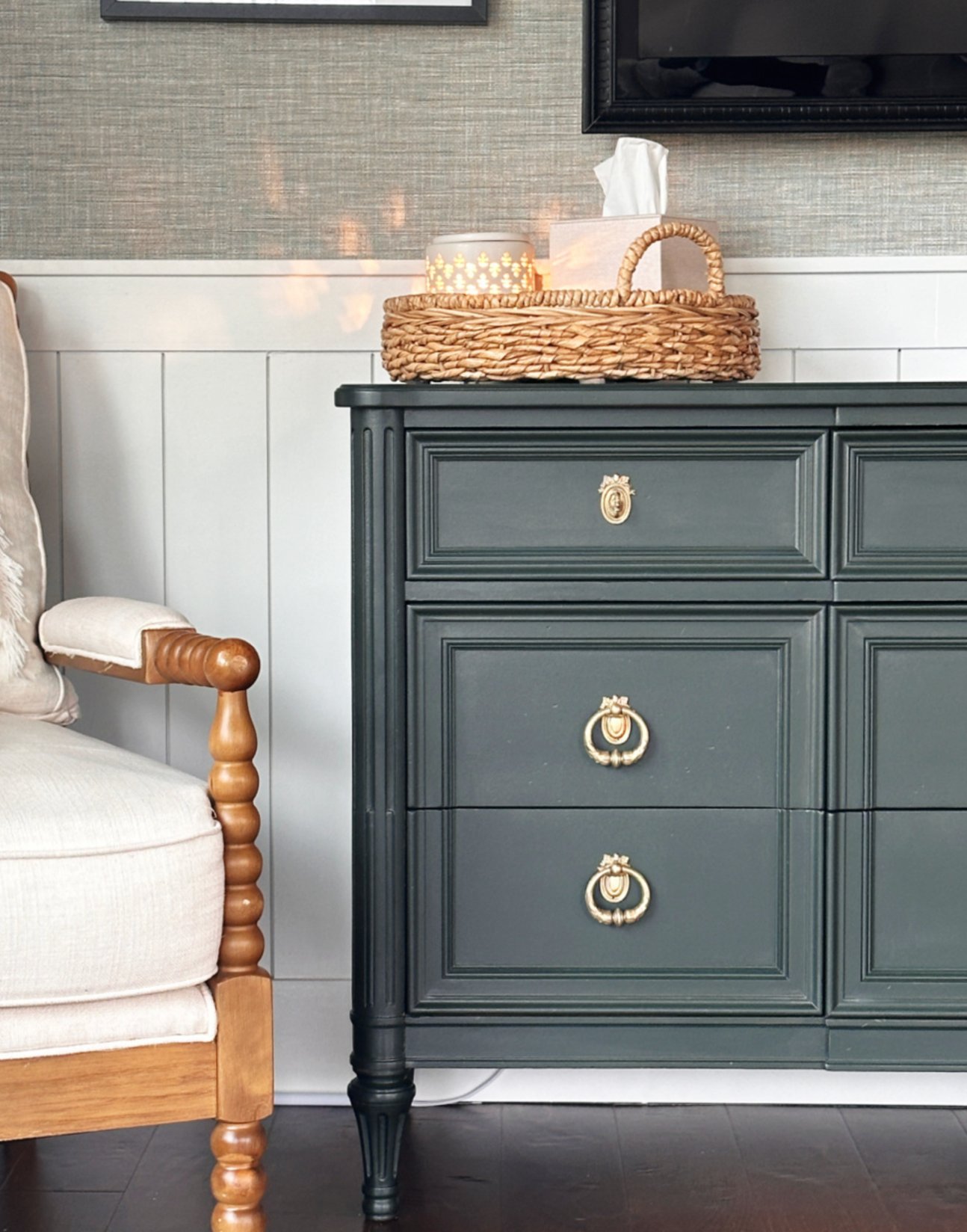
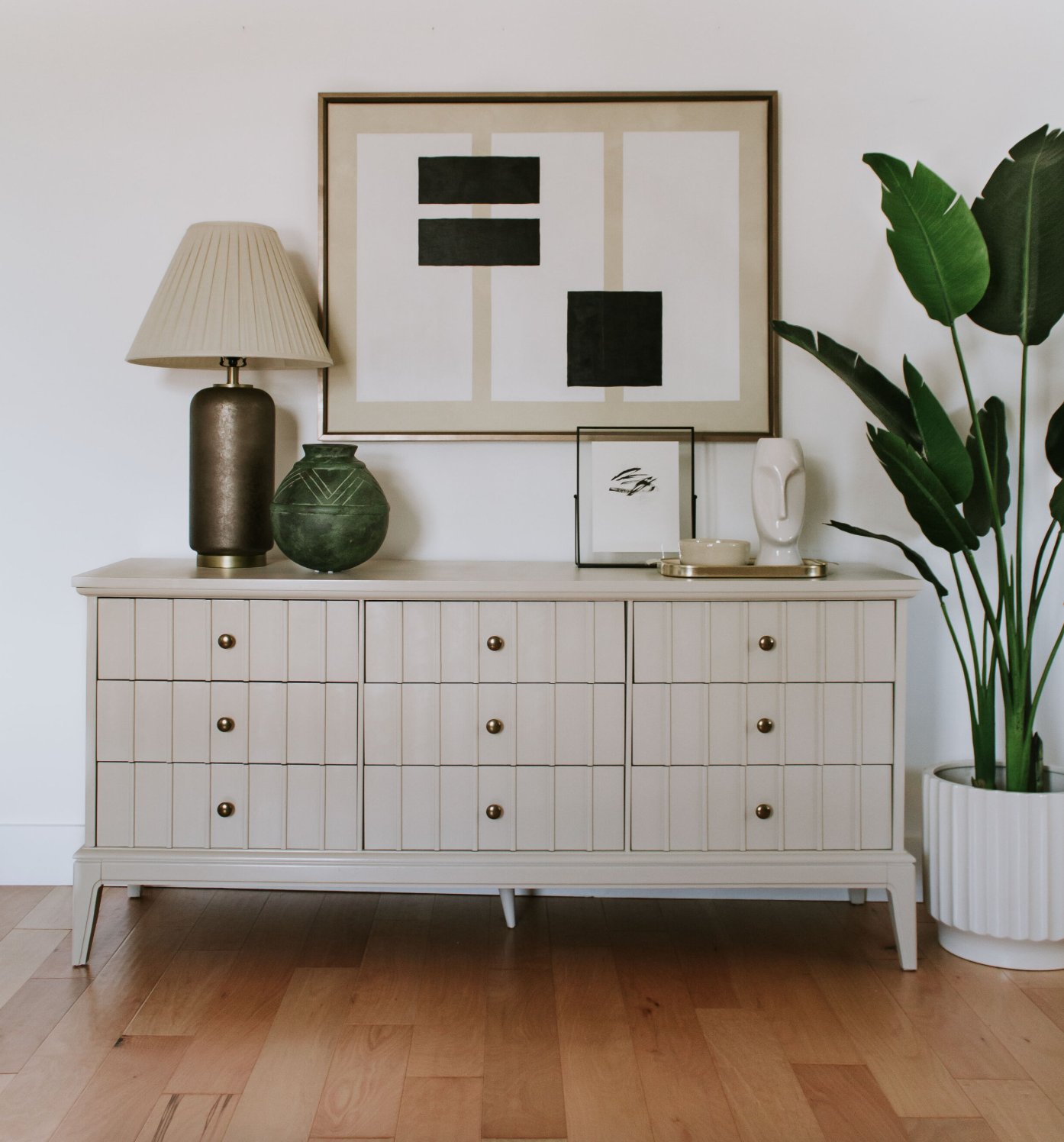
Wood is the easiest furniture material to paint. Most furniture paints will stick to it well, but the finish only looks good if the surface is clean, smooth, and sealed where needed.
Start sanding with coarse sandpaper (80 to 120 grit) and work your way up to fine (220). Sand with the grain, not across it, so scratches do not telegraph through the paint.
If you spot dents, gaps, or open seams, fill them with wood putty before painting. Pay extra attention to edges and cut ends because they absorb moisture faster than flat faces.
MDF needs a special primer, especially on raw edges, while regular wood primer works fine for natural wood.
Can you paint directly on wood? Technically, yes, but it is not cost-effective. Wood soaks up paint, and primer is cheaper. Primer also gives the final coat a smoother, more even base.
Laminate
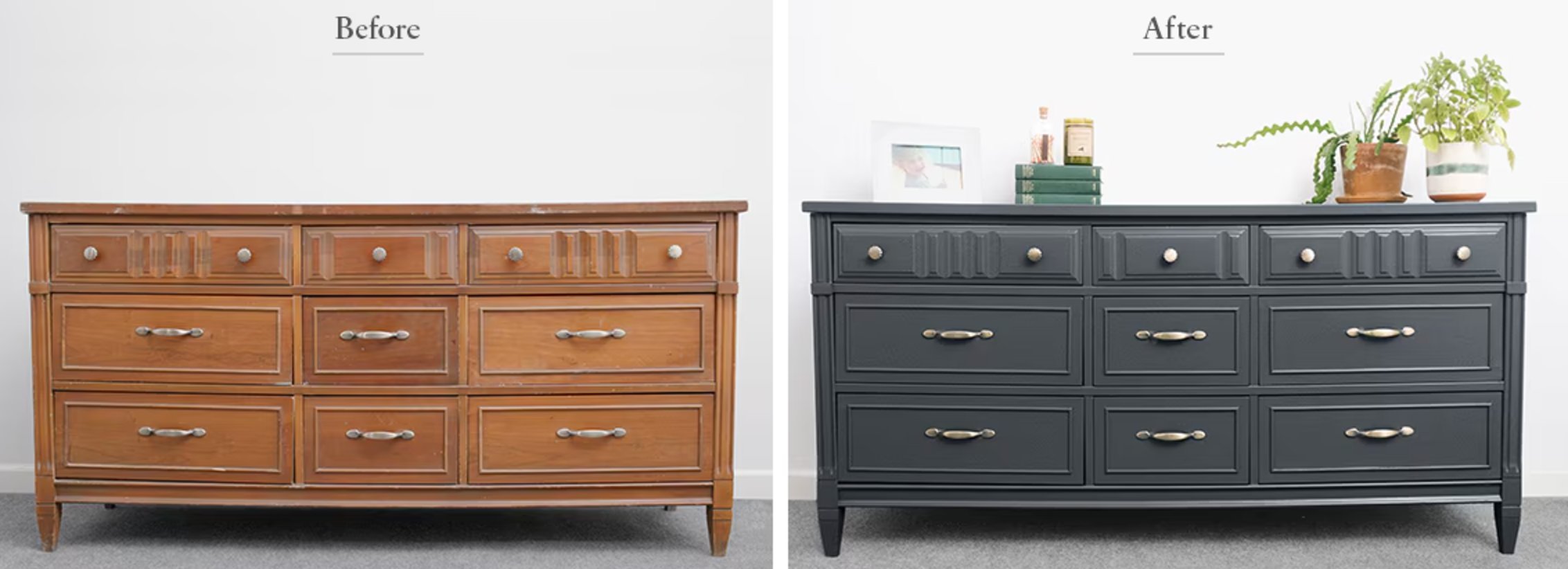
Laminate can be painted, but adhesion is the whole job. The surface is slick by design, so paint needs mechanical grip from sanding and chemical grip from the right primer.
Degrease the surface first. Then give it a light sanding with 220 grit sandpaper to create tiny scratches that help the paint stick.
Always do a test spot in an inconspicuous area. Add a drop of paint and let it dry completely. If it peels off, you must use a special plastic primer.
I have had good results with shellac-based primer (BIN primer) on synthetic surfaces. Apply your paint in thin layers, and let each layer dry completely.
Do not skip the final protective coat. If your laminate piece gets regular use, the paint will not last long without it.
Metal
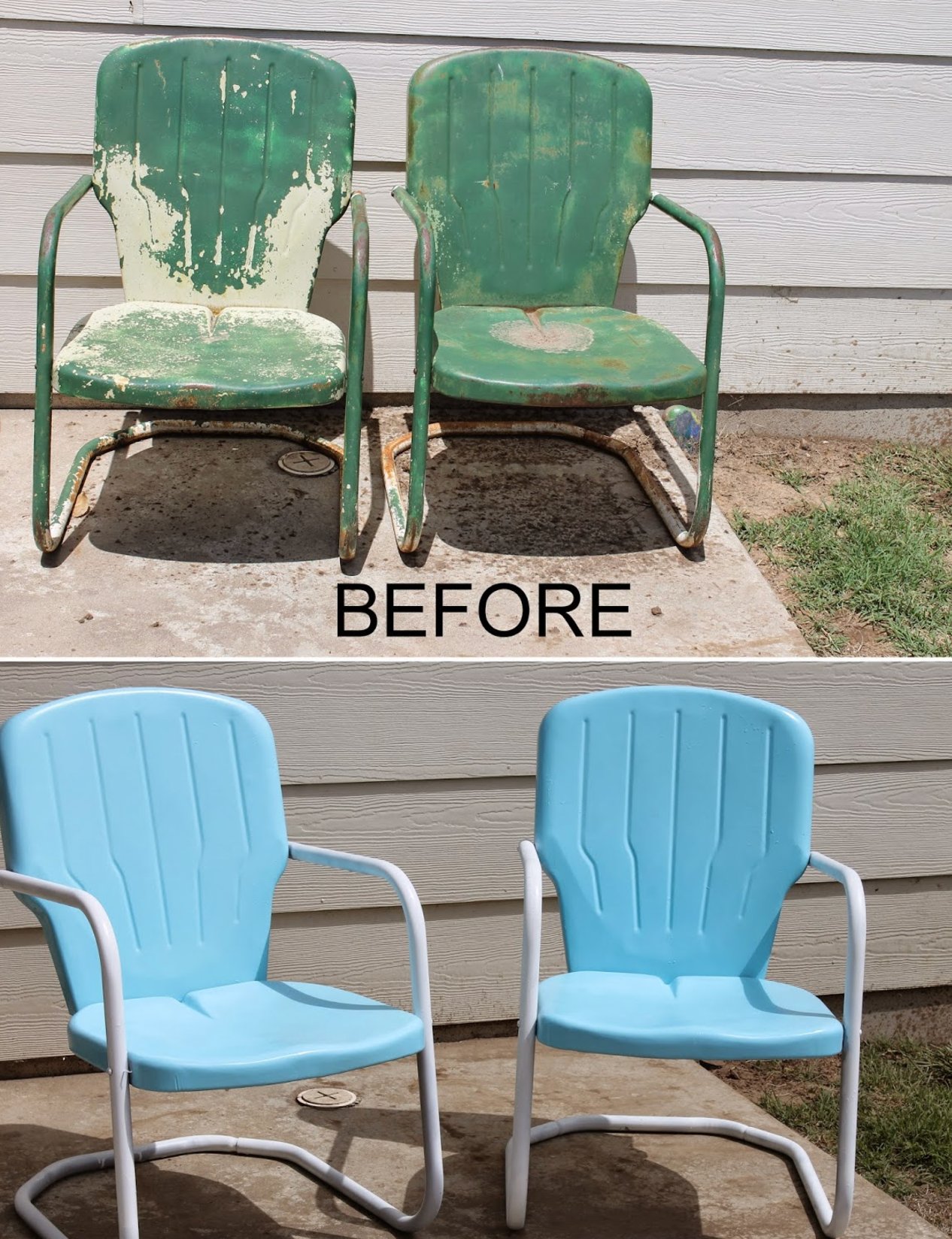
For metal furniture, surface prep is everything. Remove rust mechanically or chemically before painting. If you leave rust under the new finish, it will eventually show through.
I never skip the anti-corrosion primer, especially in humid areas.
Alkyd-based enamels work well on metal, but be patient with drying time. Since metal expands when it heats up, give the coating plenty of time to cure, sometimes up to a week.
Plastic
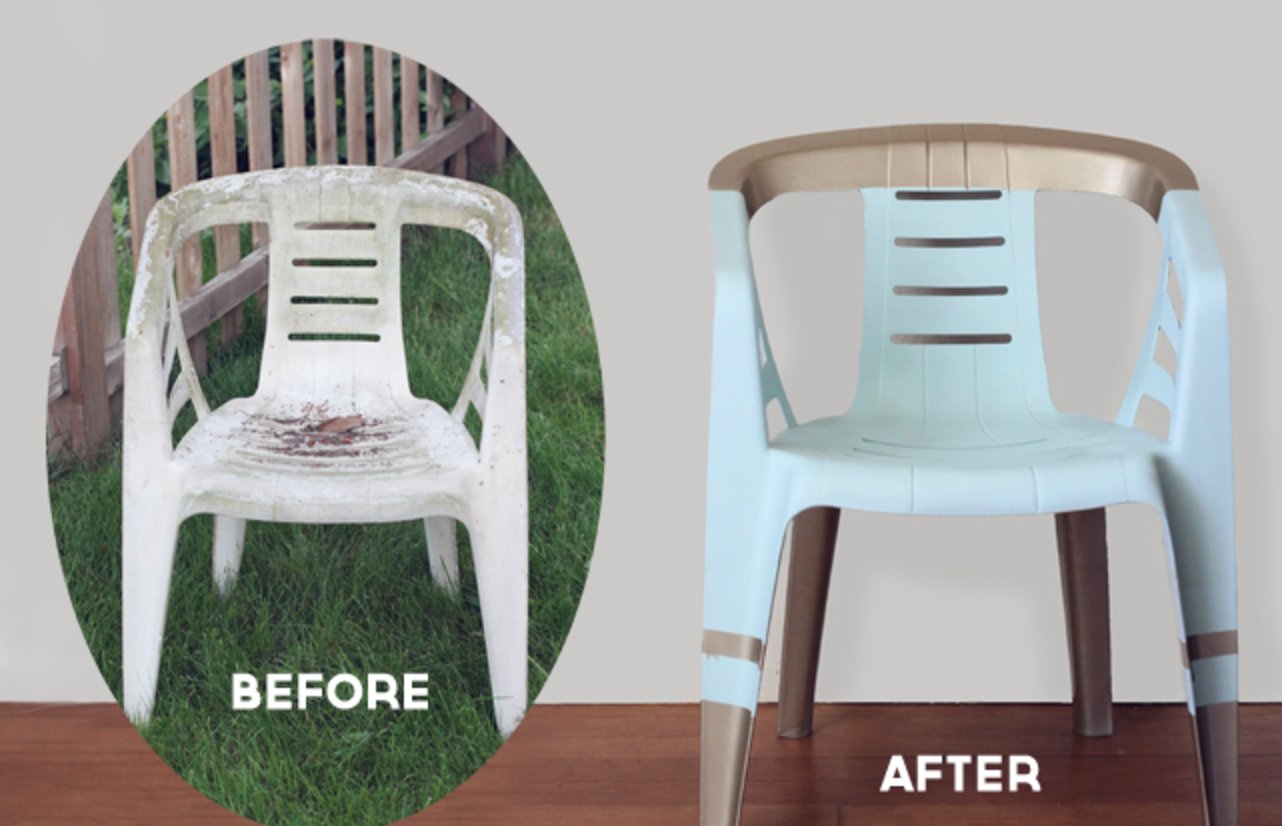
Painting plastic furniture is possible, but the wrong prep makes paint bead up instead of forming a smooth surface.
The key is thorough degreasing and a plastic-specific primer. During summer, paint indoors with AC running if you can. High temperatures can cause uneven drying and bubbling.
For a paint job that lasts, choose paints made for plastic with UV protection. Otherwise, a few months of sun exposure can leave you with yellowed, cracked paint.
Apply multiple thin coats, usually 3 to 4 layers, letting each one dry in between. Thin layers are less likely to run, bubble, or stay tacky.
Not sure if you are dealing with plastic? Put a drop of solvent on a hidden spot. If it is plastic, it will leave a matte mark.

I'm Elizabeth, your go-to guide for all things paint and design! My days are filled with color swatches and innovative room makeovers. When I'm not painting the town - literally - I'm soaking up inspiration from my travels. This blog is my way of sharing my passion and making the world a more vibrant place, one color palette at a time.