What's the Best Paint for Metal Surfaces? Types and Brands
For most metal projects, use a metal primer matched to the metal type, then a durable enamel topcoat. The part that trips people up is not the painting itself. It is adhesion, rust control, and choosing a coating that can handle the way the piece will be used.
Your choice of paint affects more than color. The right coating can protect metal for decades, while the wrong one can let rust creep in within months. You also need to know what kind of metal you have. Galvanized steel, aluminum, cast iron, and wrought iron do not all want the same primer.
Here is how I choose metal paint for real projects, including the primers I trust, the budget options that are still worth using, and the prep steps that keep the finish from peeling.
What Makes a Great Metal Paint?
A good metal paint has to block moisture, grip a slick surface, and survive bumps without chipping down to bare metal. If one of those pieces is weak, rust usually starts at edges, screw heads, welds, scratches, or anywhere water sits after rain.
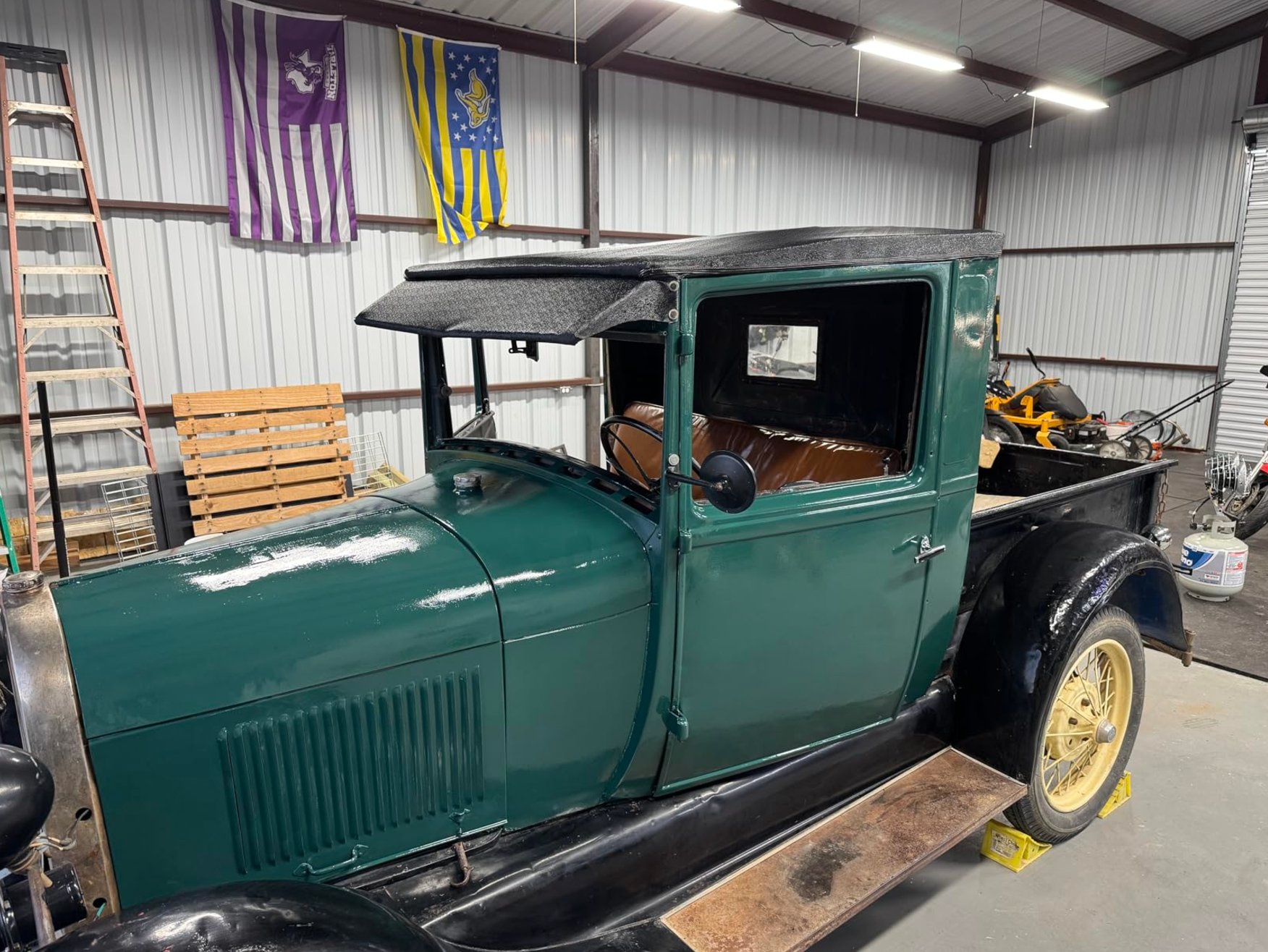
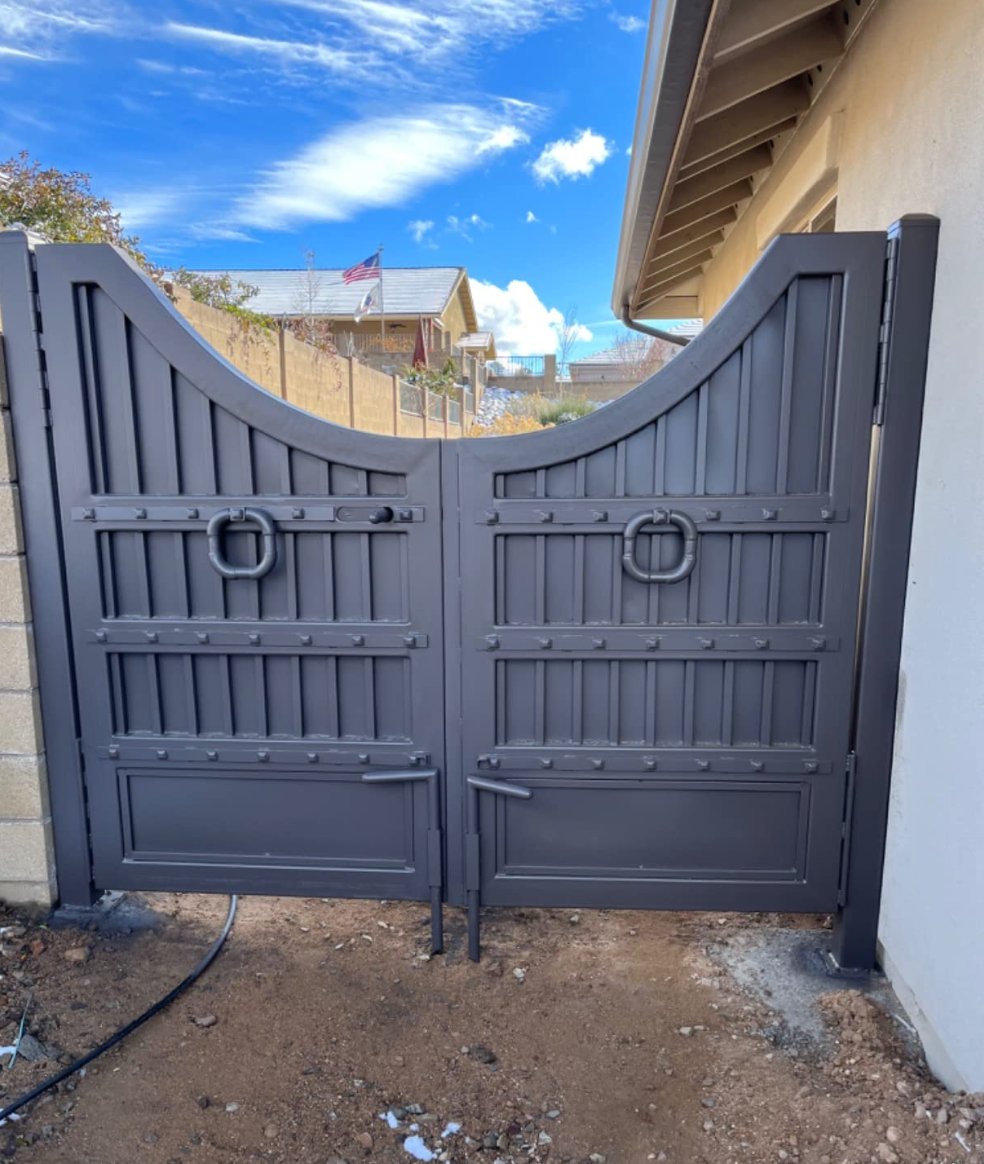
Oil-based and water-based paints each have their strengths. Oil-based paints build a hard film that sheds water well and resists scratching. The downside is cost, usually $40-70 per gallon, plus stronger odor and longer dry times. I use them most often for outdoor metal furniture, gates, railings, and fences. Water-based acrylics are more budget-friendly ($20-50), easier to clean up, and less smelly indoors. Once dry, they create a flexible coating that is less likely to crack on pieces such as bed frames, wall lights, and bedside tables.
Some metal needs specialty paint. If you're painting a grill, stove part, or radiator, use heat-resistant paint. Regular paint can bubble, soften, or flake once the metal gets hot. For high-moisture areas, look for paints with built-in rust protection, but still treat any active rust before you prime.
Application method matters too. On large, flat metal panels or simple fences, a short-nap roller and a brush for edges are usually enough. On decorative chairs, vents, scrollwork, and ornate bed frames, spray paint is often cleaner because it reaches into small corners without leaving heavy brush marks.
Best Metal Paints and Why
The metal type determines the primer first, then the paint. I break metal projects into non-ferrous and ferrous metals because they fail in different ways.
Ferrous metals contain iron, including steel, cast iron, and wrought iron. The quick test is a magnet. If it sticks, treat the surface as ferrous. These metals can rust aggressively once bare areas are exposed, so primer choice matters.
Non-ferrous metals include aluminum, copper, stainless steel, and zinc. They are typically lighter and more workable, and you often see them on gutters and stairs. Magnets will not stick to these. Galvanized metal is the awkward case. It is steel with a zinc coating, so even though the core is ferrous, the paint has to bond to the zinc layer.
Best Paints and Primers for Non-ferrous Metals
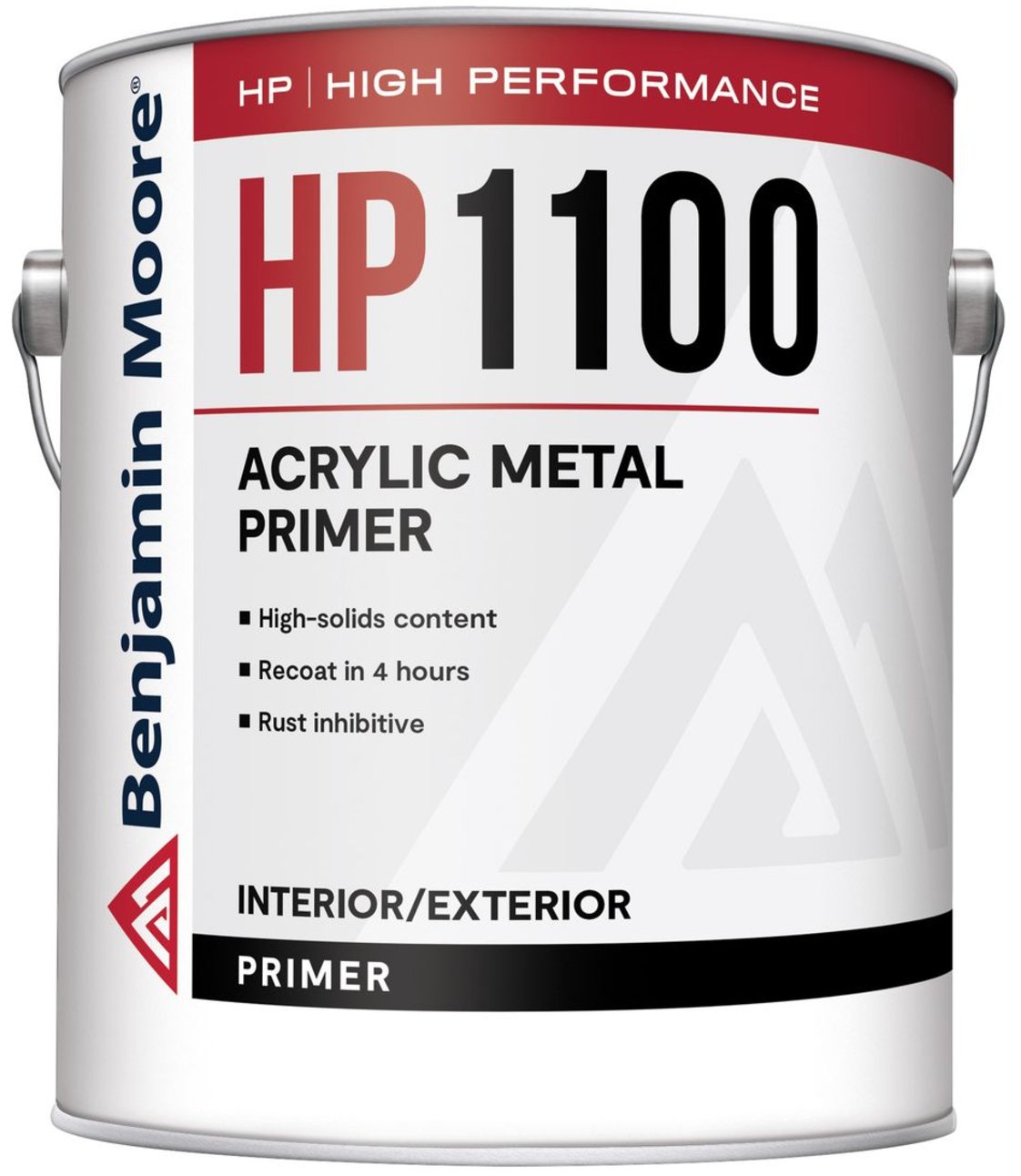

Non-ferrous metals include copper light fixtures, aluminum window sills, brass door handles, and copper gutters. They do not usually rust the way iron does, but they are slick, so adhesion is the weak point. I want a primer that can bite into the surface and a water-based enamel that stays flexible after it cures. I've had excellent results with Benjamin Moore Acrylic Metal Primer and Corotech Waterborne Enamels.
Corotech Waterborne Enamels are useful when you need a fast return to service. They dry in 15 minutes, can handle light foot traffic after 1 hour, and can handle forklift traffic after 24 hours on a floor. The finish stays flexible, which helps prevent cracking and peeling on metal that expands, contracts, or gets bumped.
These paints are not cheap, but they make sense on exterior metal, high-use pieces, and anything you do not want to repaint next year. If you're new to painting metal or working with a tighter budget, there are still some solid, affordable options:
Rust-Oleum Zinsser Cover Stain spray is a strong primer choice, and for paint, try Rust-Oleum Stops Rust (for brush application) or Krylon ColorMaster Paint + Primer (for spray application). They do a decent job protecting the surface, but expect to touch up corners, handles, and rubbed areas more often than you would with the Benjamin Moore system.
Best Paints and Primers for Ferrous Metals
Ferrous metals are iron and steel, and they show up everywhere: garden tables, railings, radiators, metal doors, brackets, and even kitchen knives.
The problem is moisture. Once water reaches bare ferrous metal, rust starts under the coating and pushes the paint loose. That is why I prefer alkyd primers and alkyd enamels here. They form a tougher moisture barrier than regular acrylic paint.
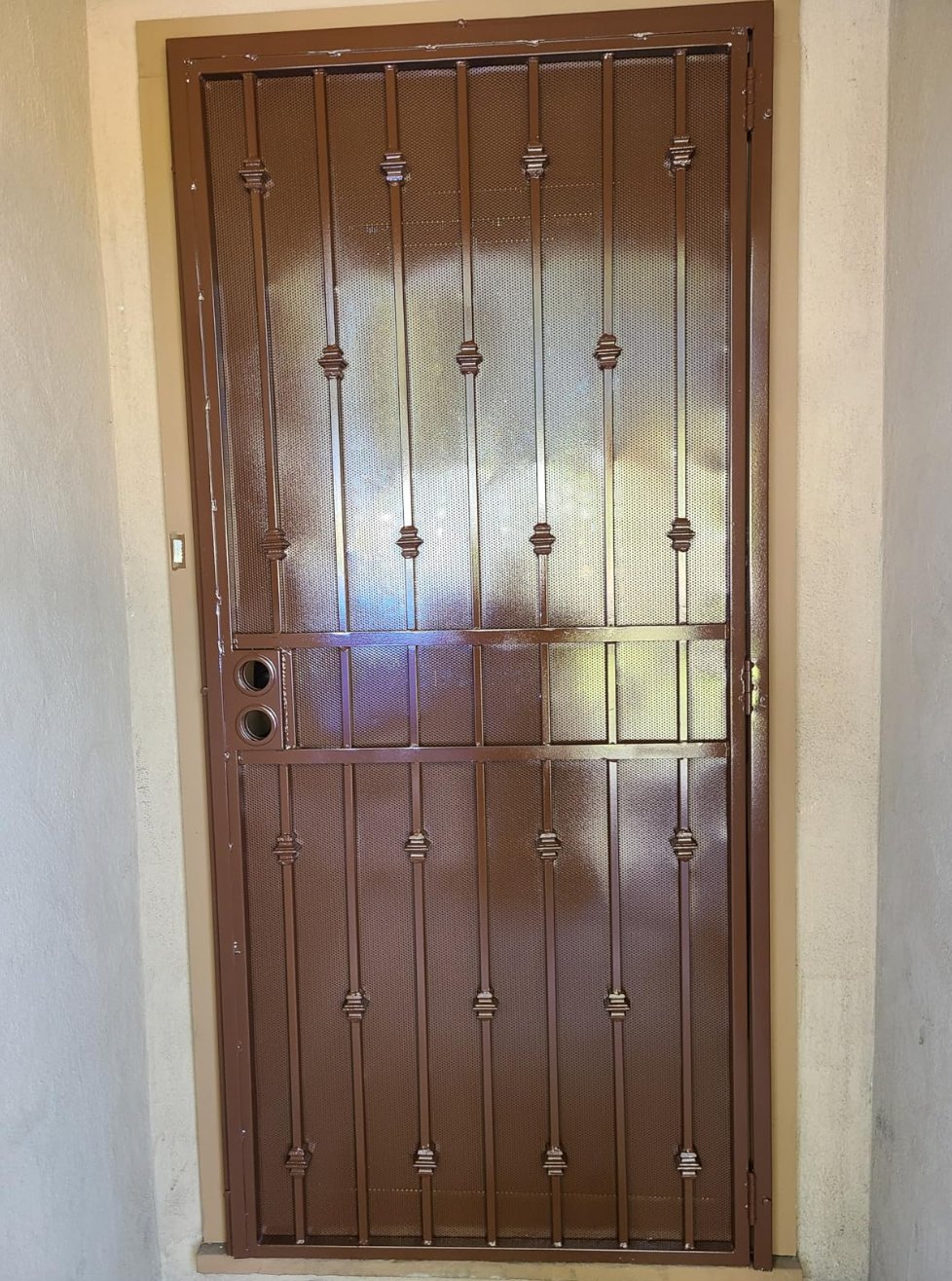
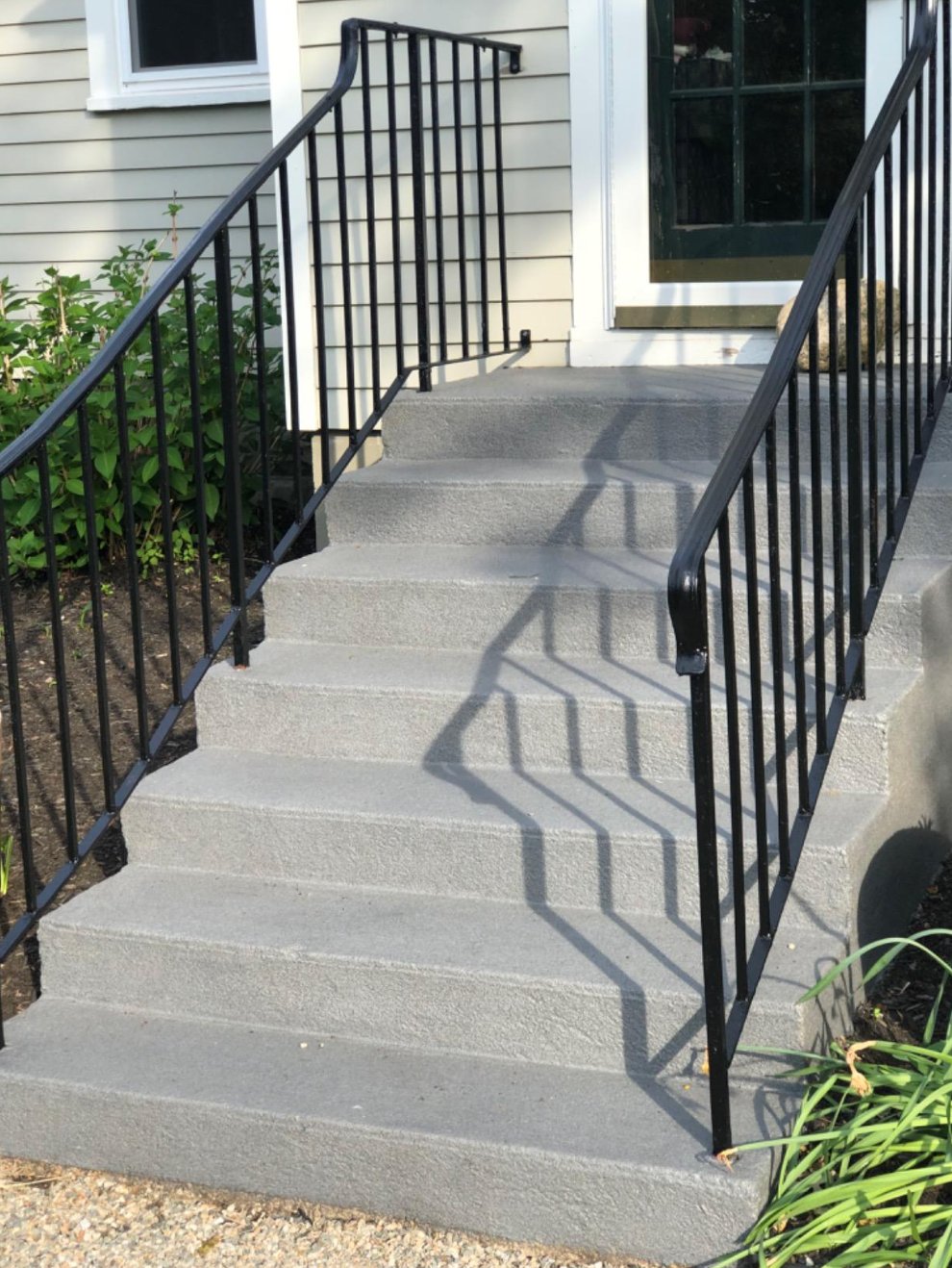
Benjamin Moore Corotech's Prep All Universal Metal Primer is a strong choice for ferrous metals. It helps stop rust, dries to touch in 30 minutes, and can be recoated in 4 hours. Their Alkyd Urethane Enamel is the topcoat I would pair with it. It levels well, resists scratches, and holds color better in sun than bargain coatings on outdoor furniture.
Like with non-ferrous metals, you can use quality universal products. They cost less than Benjamin Moore and can work well, but expect more frequent repainting on pieces that live outside or get handled every day.
Rust-Oleum Zinsser Cover Stain spray is a solid primer that handles stains well and does not need sanding on sound, clean surfaces. For the topcoat, use either Rust-Oleum Stops Rust or Krylon ColorMaster. If the metal already has flaking paint or rust scale, sand and wire-brush first anyway. No primer sticks well to loose material.
How to Paint Metal
- Surface Prep. Good metal painting starts with a clean surface. Wet a rag with denatured alcohol and wipe the whole piece, especially handles, edges, hinges, and spots touched by hands. Oil, wax, and silicone residue can cause fisheyes or peeling. Let the metal dry completely before sanding or priming.
- Dealing with Rust and Old Paint. Remove loose rust with a wire brush, working until you reach firm metal or a tight, stable surface. Scrape off failing paint, feather the edges, then smooth the area with 80-120 grit sandpaper. Finish by wiping with a damp cloth to remove dust, then let it dry before primer.
- Priming. Use alkyd primers for ferrous metals and universal primers for non-ferrous ones. Apply thin, even coats and do not try to fill pits with primer. Use synthetic brushes for water-based products and natural bristles for alkyd. Give it 24 hours to dry at 70°F.
- Painting. Work between 50-85°F. Overcast days with 40-70% humidity are ideal because the paint has time to level. Avoid direct sun, which can skin the surface too fast and leave brush marks or weak adhesion. Apply 2-3 thin coats, waiting 4-6 hours between each. The surface will be dry in 72 hours, but give it a week before putting heavy items on it.
- Pro Tips. Check the weather before you start. You need 48 hours without rain after painting. Use gloves and a respirator, especially with alkyd products. Use a short-nap roller for broad surfaces or a spray gun at 2000-2500 PSI for tricky shapes. With spray equipment, keep the gun moving and overlap each pass by about 50% so the finish does not stripe.

I'm Elizabeth, your go-to guide for all things paint and design! My days are filled with color swatches and innovative room makeovers. When I'm not painting the town - literally - I'm soaking up inspiration from my travels. This blog is my way of sharing my passion and making the world a more vibrant place, one color palette at a time.