What's the Best Paint for Ceilings? Types, Colors, and Finishes
The best paint for most ceilings is a flat, ceiling-specific latex paint with a thicker body than wall paint.
Ceiling paint is made for overhead work. It drips less, spatters less, and gives you more time to roll a wet edge before the surface starts flashing. Regular wall paint can work, but it is thinner, so every small mistake shows up as lap marks, roller lines, or tiny dried specks on the floor and trim.
I'll walk you through the ceiling paints worth considering, the difference between dedicated ceiling paint and regular latex, and how to choose the right ceiling color and finish before you open the can.
What Makes a Great Ceiling Paint?
You can use regular paint in a pinch, but ceiling-specific paint makes the job easier because it is designed for overhead rolling. It is less drippy, keeps a wet edge longer, and works well with both rollers and sprayers. A good formula also reduces the fine mist that tends to float past your drop cloths and settle on baseboards.
Good ceiling paint feels close to thinned honey. It should be thick enough to stay on the roller overhead, but loose enough to spread without dragging. The higher solids help the paint fight gravity and cut down on splatter.
| Paint Type | Viscosity (KU) | Weight of 1 Gallon (lbs) | Solids by Weight (%) |
|---|---|---|---|
| Premium Ceiling Paint | 105-110 | 11.8 | 55 |
| Standard Ceiling Paint | 95-100 | 11.2 | 50 |
| Regular Latex Wall Paint | 85-90 | 10.5 | 45 |
Ceiling paint usually covers better because it carries more pigment and solids. Some brands, like Valspar, include a color-changing feature: the paint goes on purple and dries white, so missed areas are easier to see while the paint is still wet. On a clean white ceiling, that can mean one coat. Over stains, old yellowed paint, or patched drywall, plan on primer plus two finish coats.
Best Ceiling Paints and Why
Choose ceiling paint by room, ceiling condition, and how much patience you have for a second coat. Contractors often pay for premium paint on rough ceilings, large rooms, and jobs with tight lighting because those surfaces punish thin paint. For a small bedroom with a clean existing white ceiling, a budget ceiling paint can still do the job.
- Benjamin Moore Waterborne Ceiling Paint is the premium pick. At $60 per gallon, it covers well, has an ultra-matte finish, and hides small drywall waves better than paints with more sheen. Pros like it because it is durable for a flat paint and keeps splatter under control.
- Sherwin-Williams Eminence used to be the value pick in the mid-range ($45/gallon). It was purpose-built for ceilings and gave clean results in typical home settings. Update: Eminence has been discontinued and replaced by Premium Ceiling Paint for around $60, which has not been getting great reviews so far.
- Behr Ultra Interior Ceiling Paint ($25-40/gallon) gives solid coverage for the price. It is especially practical in 5-gallon buckets, which is why contractors often reach for it on whole-house repaints.
- Valspar Color-Changing Ceiling Paint is useful if you are nervous about missed spots. The purple-to-white color change lets you see where you have rolled, then dries to a clean matte white.
Application matters as much as the label on the can. Use a 3/8-inch nap roller for a smooth ceiling and 1/2-inch or thicker for texture, load the roller fully, and work in sections you can keep wet. Premium paints like Benjamin Moore cost more upfront, but they can save a coat, which matters when you are painting overhead.
Some pros prefer high-quality matte wall paint over dedicated ceiling paint because they know how that product behaves on a roller. I would only go that route on a very smooth ceiling, with a paint you have used before, and with plenty of floor protection.
Types of Ceiling Paint
Specialized Ceiling Paint
This is the safest choice for most ceiling work. Its thicker body prevents drips and splatters while you are rolling overhead, which matters more than people expect after ten minutes on a ladder.
The consistency also helps the roller glide instead of skipping across the surface. That gives you smoother coverage and less arm fatigue, especially in a large room where you cannot stop halfway through a wet edge.
It costs more upfront, but it is usually the paint I recommend unless the ceiling is small, already clean, and easy to reach. The comfort factor is real. Less dripping means less cleanup, fewer touchups, and fewer spots where you accidentally overwork the paint.
Standard Interior Latex Paint
You can use standard interior latex on a ceiling if it is flat, white, and good quality. The catch is that it is usually thinner, so you are more likely to fight drips and splatter.
You may also need more coats, especially if you are covering a yellowed ceiling or patched drywall.
It is a reasonable budget option if you slow down, do not overload the roller, and keep a damp rag nearby for stray drops. I would not use it over a popcorn ceiling or heavy texture unless you already know the paint covers well.
Paint and Primer Combinations
Paint and primer combinations can be a useful middle ground. Their honey-like thickness helps prevent drips and can improve coverage in one coat on a clean, previously painted ceiling.
They are helpful on large ceiling projects or tight timelines because less splatter means less cleanup. They are not a shortcut over water stains, smoke residue, or tannin bleed. Those problems still need a proper stain-blocking primer first.
Choosing the Right Color
White ceilings are popular because they solve a lot of problems quietly. A clean white reflects light, helps the ceiling recede, and lets you repaint the walls later without repainting the fifth wall. In rooms with average 8-foot ceilings, white is usually the easiest way to keep the room feeling open.
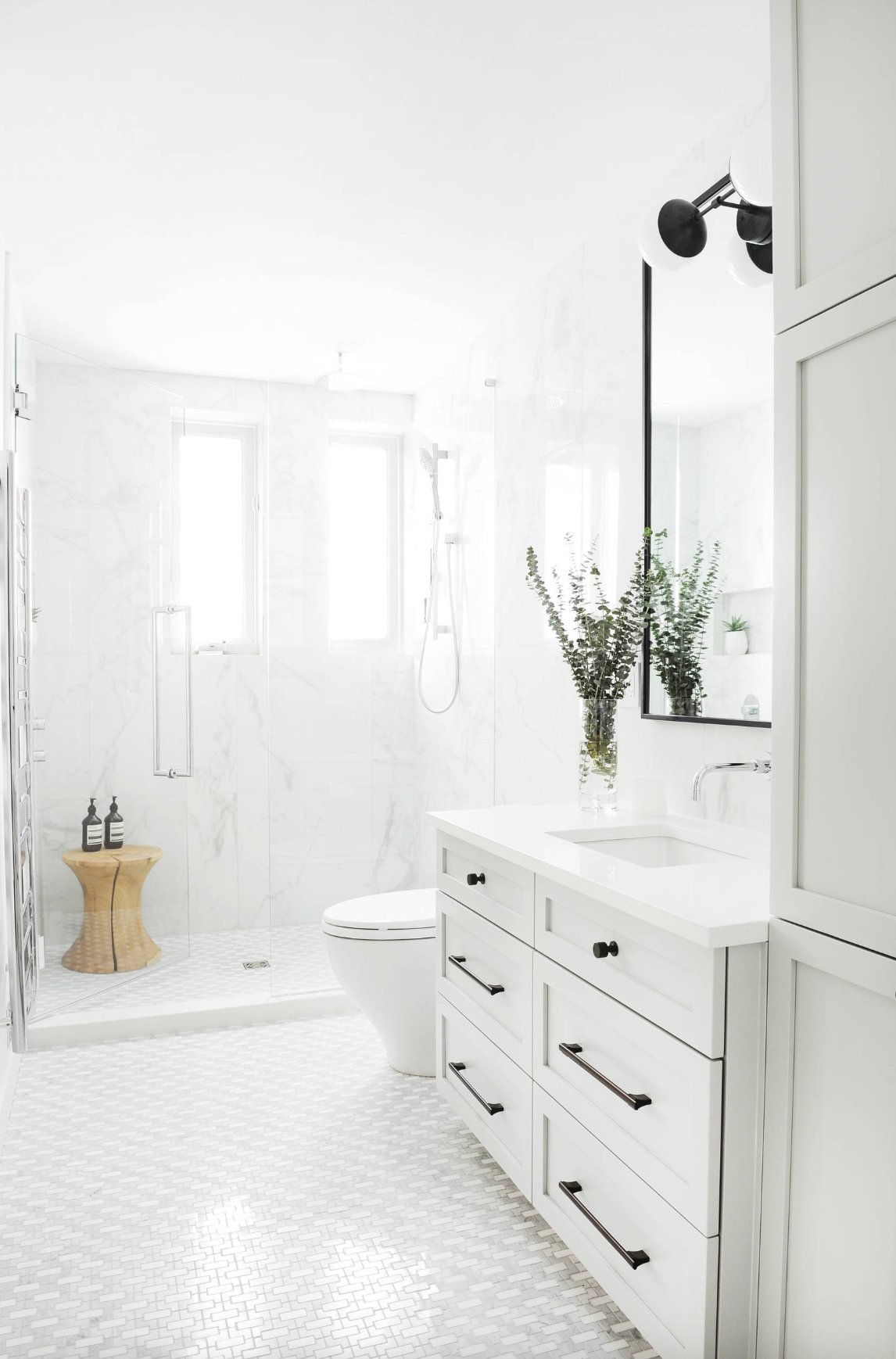

Pure white without obvious undertones gives you the brightest result. It reflects the most light and works well in kitchens, bathrooms, laundry rooms, and work areas where you want the ceiling to disappear.


Warm whites with a hint of cream soften a room without turning the ceiling beige. They are a better fit with oak floors, wood furniture, brass, creamy trim, and wall colors that already lean warm. I use them often in bedrooms and living rooms where a stark white ceiling would look chilly.


Cool whites with hints of gray or blue suit crisp, modern spaces. They pair well with chrome fixtures, glass, cooler countertops, and walls that already have gray or blue undertones. Be careful with cool white in north-facing rooms, where it can read a little flat or icy.


Sometimes, a colored ceiling is the right move. It works well in rooms where you want the ceiling to feel intentional, such as dining rooms, libraries, powder rooms, or home theaters. Darker or richer colors can make a tall ceiling feel lower and a little more intimate.
Colored ceilings can also show off architecture. They can define coffered ceilings, draw attention to decorative molding, highlight wood beams, or make different ceiling levels easier to see. Sample the color overhead before committing, because ceilings receive light differently than walls.
When choosing a ceiling color, look at three things first: ceiling height, natural light, and the undertones already in the room.
Dark colors can look rich on high ceilings with light walls. On low ceilings, lighter shades in a matte finish are usually more forgiving because they hide small surface flaws.
Best Ceiling Paint Finish
Start with flat paint for ceilings unless you have a specific reason to use more sheen.
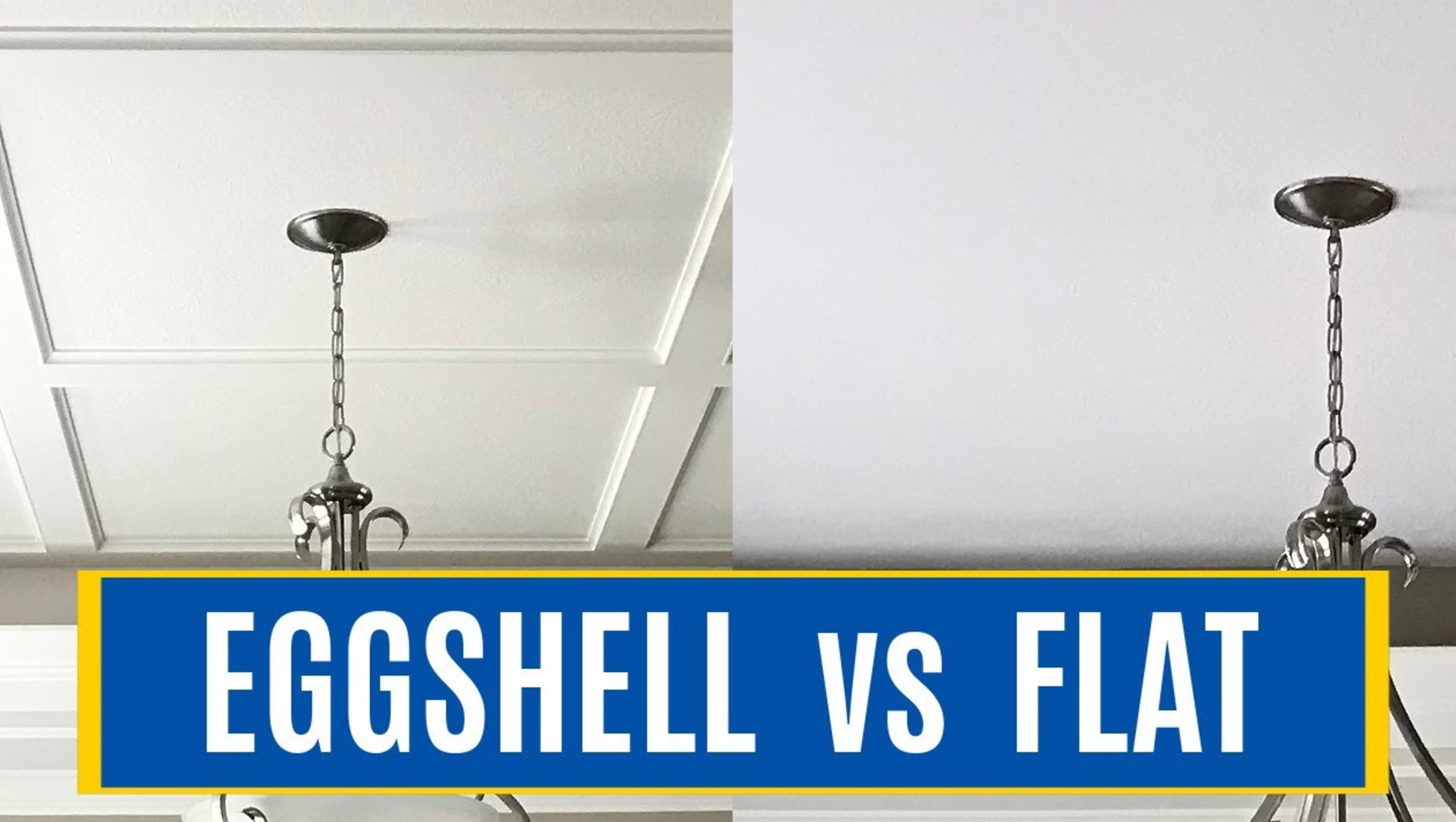
A flat finish hides the imperfections, patched spots, and texture changes that show up on ceilings. Because it reflects very little light, it creates a quiet surface that does not compete with the walls, trim, or lighting.
Most manufacturers offer ceiling paint in flat finish because it is forgiving. It helps disguise roller marks and the slight lines that can appear between sections when paint starts drying too fast.
There are a few cases where another finish makes sense.
Eggshell finish is a small step up in sheen, and it can look beautiful on a perfectly smooth ceiling. I have seen it work in formal dining rooms where the ceiling was skim-coated well and the lighting was controlled.
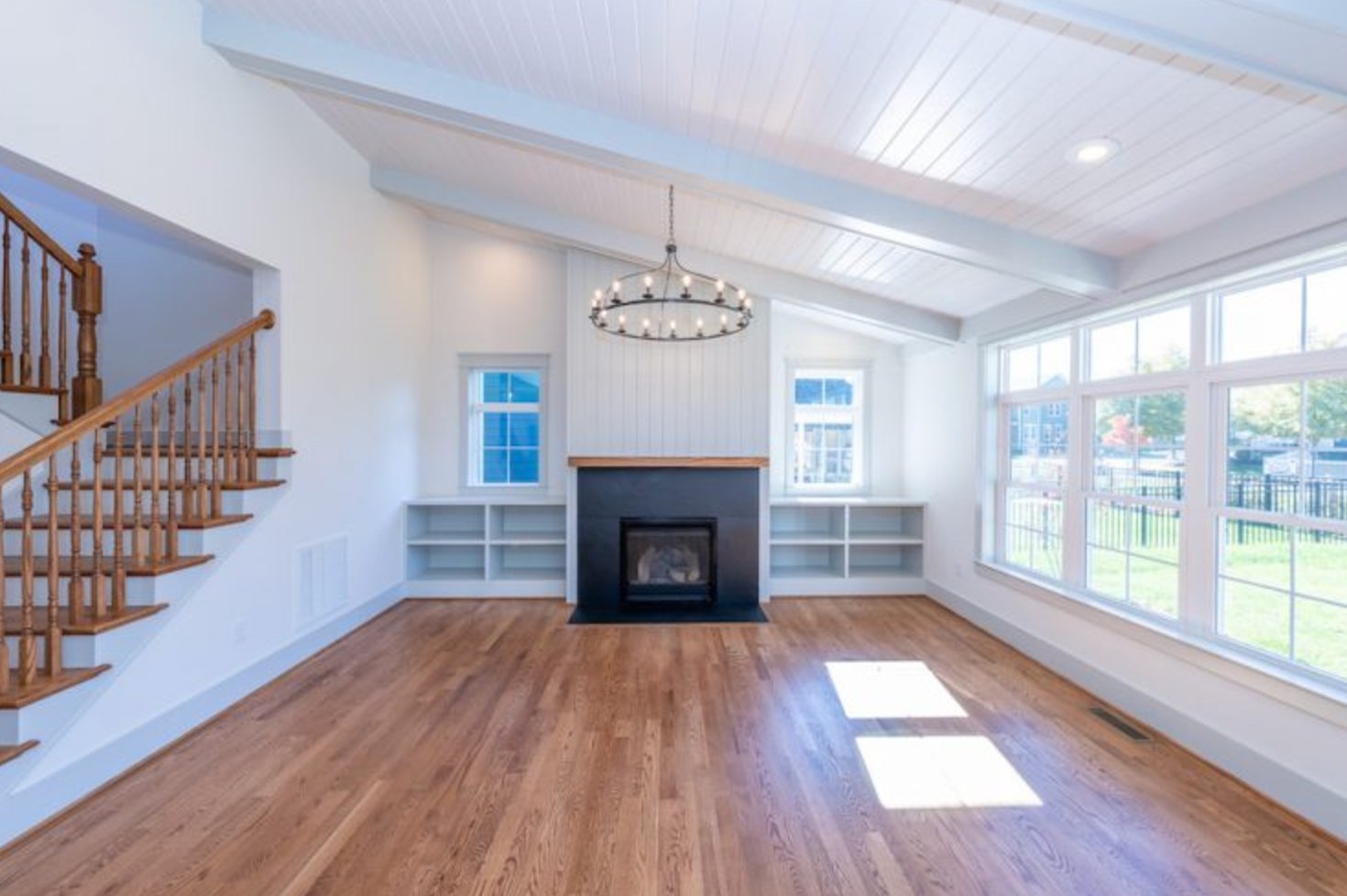

Consider a satin finish in rooms with moisture, such as bathrooms, laundry rooms, or poorly ventilated kitchens. It is easier to wipe clean and resists mildew better than flat paint, but it will show every bump, patch, and roller stop on the ceiling.

Semi-gloss is a specialty choice. Because it reflects more light, it can brighten a dark space or make the ceiling feel like a deliberate design feature.
The surface has to be very smooth. Semi-gloss is best reserved for ceilings that need frequent cleaning or extra moisture resistance, not for ordinary bedrooms and living rooms.
The shinier the finish, the more prep work the ceiling needs and the more the paint usually costs.
Test a small area first. Sheen looks more noticeable on a ceiling than it does on a sample held in your hand.

I'm Elizabeth, your go-to guide for all things paint and design! My days are filled with color swatches and innovative room makeovers. When I'm not painting the town - literally - I'm soaking up inspiration from my travels. This blog is my way of sharing my passion and making the world a more vibrant place, one color palette at a time.