What's the Best Paint for Bathroom Ceiling? Types and Brands
The best paint for a bathroom ceiling is a moisture-resistant acrylic latex or a bath-specific paint in eggshell, satin, or semi-gloss. Black mold, peeling corners, and shower steam stains usually show up when a ceiling was painted with standard flat wall paint, or when old contamination was painted over instead of cleaned first.
I look for three things before I choose a bathroom ceiling paint: mildew-resistant additives, good adhesion over primer, and a finish that can handle condensation without looking shiny in a bad way. Below are the paint types, brands, sheens, and prep steps I trust when a bathroom gets daily showers.
Why Bathroom Ceilings Need Special Attention
Regular interior paint can work on a bedroom ceiling. A bathroom ceiling is different because warm, wet air rises and sits there after every shower. I learned that lesson years ago after trying to save money with standard interior paint, then watching the corner above the shower start to peel.
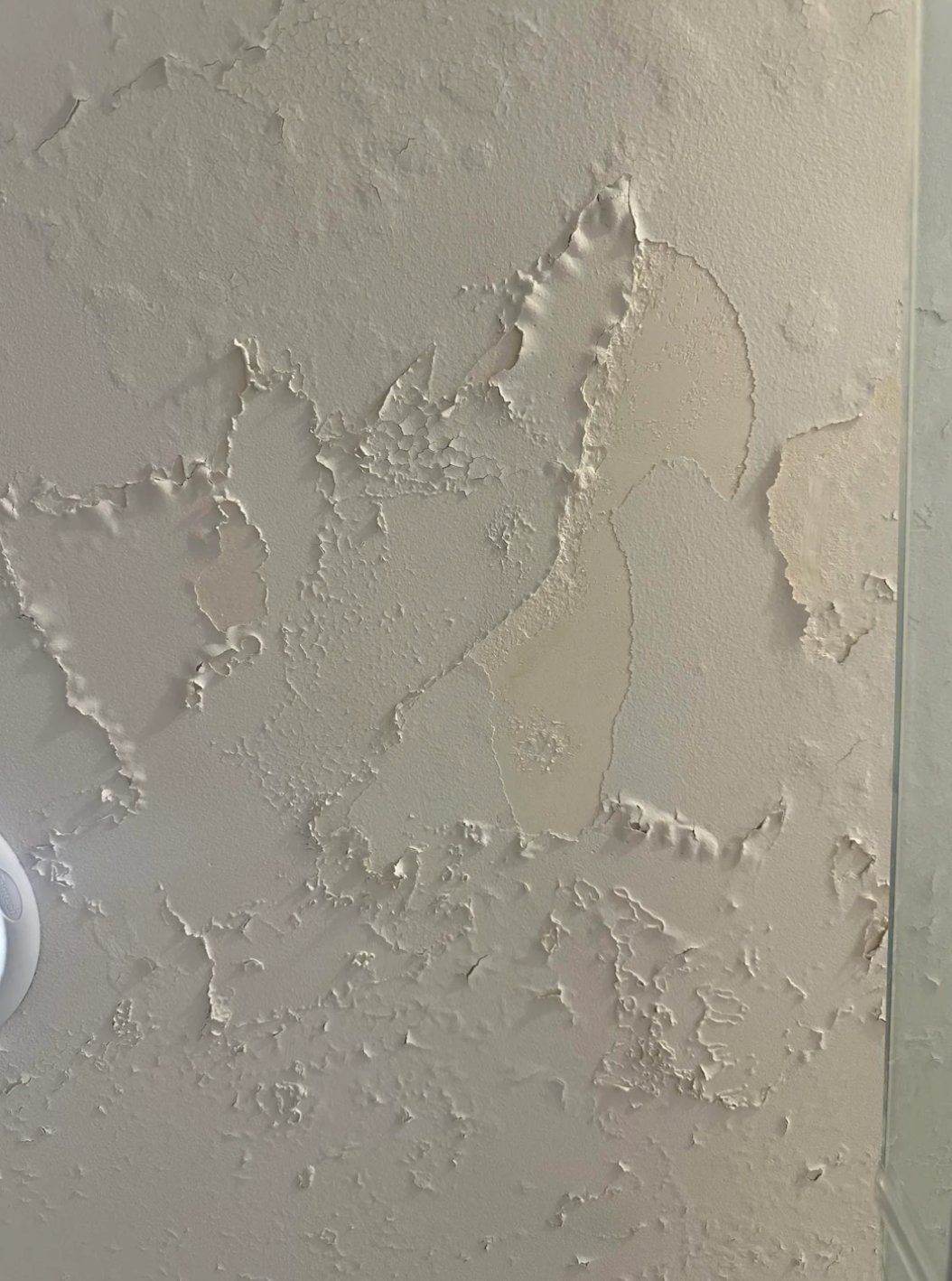
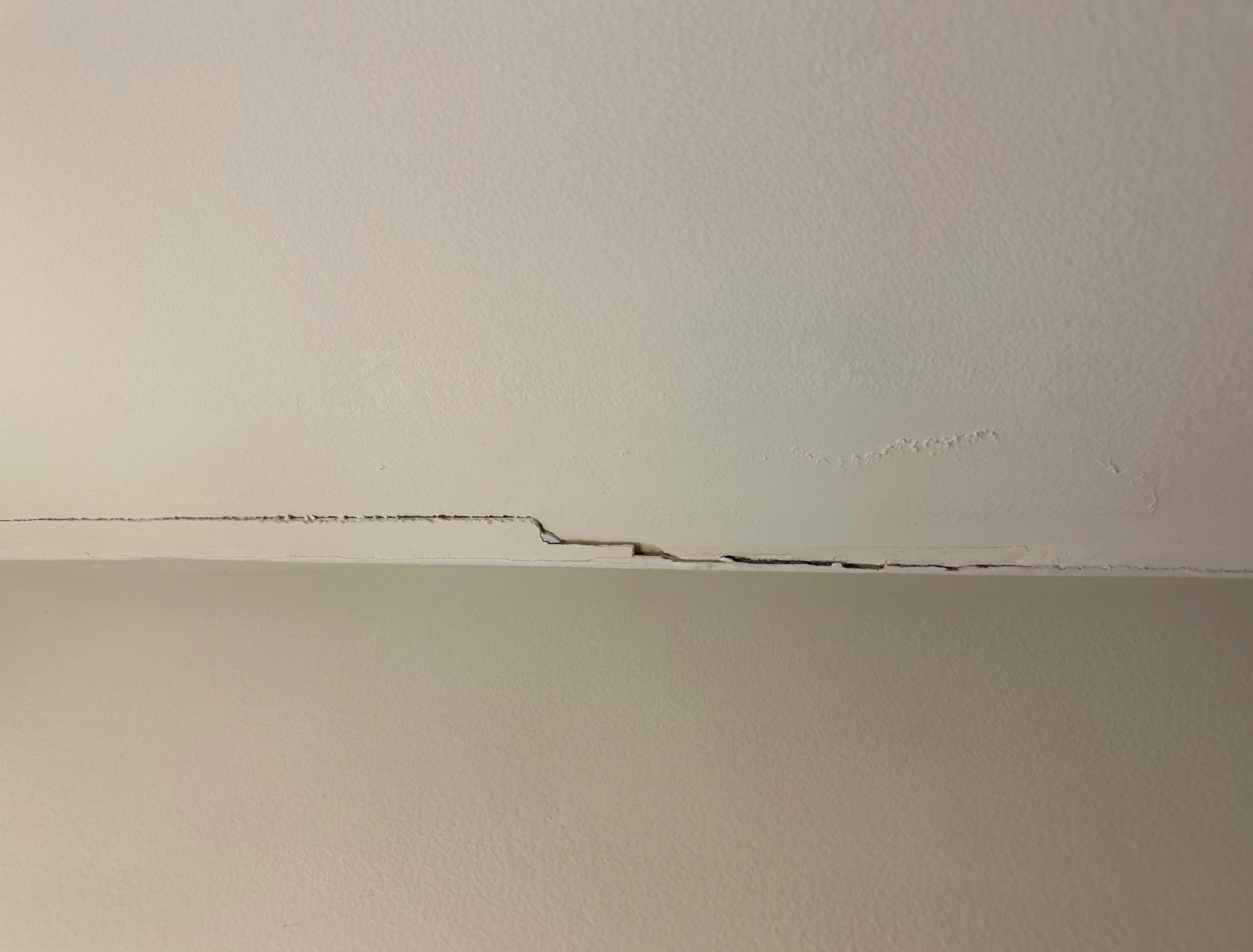
During hot showers, steam hits the cooler ceiling and turns back into water. If the room stays damp, droplets collect around corners, above the tub, and near the fan housing. That is where peeling usually starts first.
Unprotected paint softens as moisture gets behind it, then it starts to crack, bubble, or release from old layers underneath. Regular cleaning and residue from shower products make the surface even harder on paint. Standard flat paint just does not have enough scrub resistance or moisture protection for that cycle.

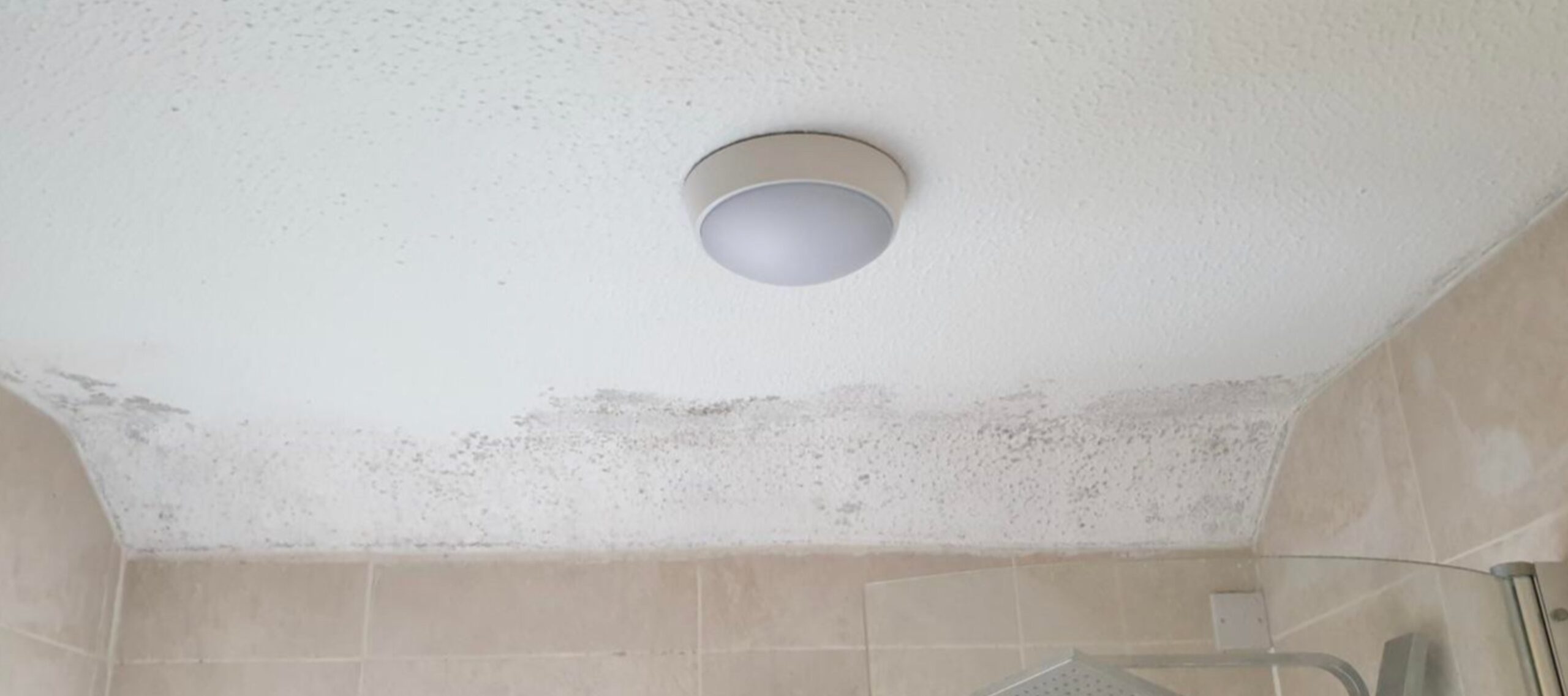
Mold and mildew are the bigger problem. They grow in damp corners, around exhaust fans, and anywhere the ceiling stays cool enough for condensation. In my first house, black spots showed up in the ceiling corners barely six months after I used regular paint. Besides looking bad, mold can affect indoor air quality and can aggravate allergies or other health issues.
Paint helps, but it cannot fix a weak fan or a bathroom that never dries out. If the mirror stays fogged for a long time after a shower, plan on running the fan longer and leaving the door cracked when you can. The right ceiling paint buys you durability, but ventilation is what keeps the coating from living wet.
Best Bathroom Ceiling Paints and Why
For most bathrooms, I start with one of these four paints. They are not all the same, so choose based on the problem you are trying to solve.
- Benjamin Moore Aura Bath & Spa is my usual pick when the client wants a softer ceiling finish without using ordinary flat paint. Its Color Lock technology helps the color resist fading, and it holds up well with repeated steam exposure. It is also zero VOC, which matters in a small bathroom with limited airflow.
- Sherwin-Williams Duration Home is a strong choice if you wipe down the ceiling or have kids splashing bath water around. It tolerates frequent cleaning better than basic interior paint and keeps a more even look after washing.
- Zinsser Perma-White is the one I reach for when mildew is the main concern. It has a 5-year mold and mildew-proof paint film guarantee, which is one of the clearest promises in this category.
- Kilz Kitchen & Bath works well in very humid bathrooms because it includes anti-fungal additives and has better adhesion on surfaces that deal with frequent dampness. I still prime stains and repaired areas before using it.
Bathroom Ceiling Paint vs Regular Paint
Bathroom paint is built for moisture, cleaning, and mildew resistance. Regular interior paint is built for rooms that stay comparatively dry. That difference matters most on the ceiling because steam hits it first and dries last.
| Characteristic | Bathroom Paint | Regular Interior Paint |
|---|---|---|
| Mold Protection | Built-in antifungal protection | Little to no protection |
| Breathability | Great airflow, lets moisture escape | Poor airflow typically |
| Sticking Power | Extra strong, won't peel off | Standard adhesion |
| Moisture Handling | Stands up to constant moisture | Can bubble up when wet too often |
| Coats Needed | 2 coats | 3-4 coats |
| VOC Levels | Low, safe for tight spaces | Often higher |
Bathroom-specific paint costs more up front, but it usually saves money if it prevents one failed repaint. The expensive part of a bathroom ceiling is not the extra cost of the quart or gallon. It is scraping, sanding, priming, and covering everything in the room again.
If your ceiling has active mold, do not seal it under fresh paint and hope for the best. Clean it properly, let the ceiling dry, spot-prime stains or repairs, and fix the moisture source first. Paint is the last step, not the mold treatment.
Paint Types That Really Work
The paint label matters more than the brand loyalty here. Look for interior acrylic latex or a kitchen-and-bath formula that specifically mentions mildew resistance, moisture resistance, or washable performance.
Acrylic latex is my go-to choice because it dries quickly, cleans up with water, and does not stay tacky for days. In many bathrooms, you can apply the second coat the same day if the label allows it and the room is ventilated. It is also the most practical option for a homeowner repainting a ceiling over a weekend.
Silicone paints help with moisture control because they allow more vapor movement through the coating. They are more expensive and harder to find than acrylic latex, so I would only consider them for a bathroom with recurring moisture issues after ventilation has already been addressed.
If you do not mind extra prep work, epoxy paints are worth considering for serious moisture resistance. They create a harder, less porous coating than standard wall paint. The tradeoff is application. Epoxy is less forgiving, can have stronger odor, and is often a better job for a pro if the ceiling is large or already damaged.
Zinc-infused paints deserve a special mention if mold is the repeat offender. Zinc helps inhibit mold growth on the paint film, and many of these formulas are also more eco-friendly than older high-odor coatings.
What about paints to skip?
- Some painters still like oil-based paints because they wear hard. For a bathroom ceiling, I do not like the long dry time, heavy odor, or cleanup. Waiting up to a week between coats is not realistic for most homes.
- Polyurethane coatings are very durable, but I would not make them a casual DIY ceiling project. They are better left to pros because surface prep, ventilation, and application technique matter so much.
Choosing the Right Finish
For a bathroom ceiling, sheen is a durability decision first and a design decision second. The glossier the finish, the easier it is to wipe. The flatter the finish, the better it hides drywall waves and patched texture.
- Eggshell finish is usually the safest compromise. It hides minor ceiling flaws better than satin and gives you more moisture resistance than flat paint.
- Satin finish is my pick for many small bathrooms. It reflects a little light without making the ceiling look plastic, and it handles cleaning well. My guest bathroom's satin finish still looks fresh after three years.
- Gloss and semi-gloss give you the strongest moisture resistance and the easiest wipe-down surface. Semi-gloss is usually easier to live with than full gloss because it is less mirror-like. Full gloss can make a small bathroom feel brighter, but it will show every drywall ridge and roller mark.
- Matte finish? I would only use it on a very smooth ceiling with excellent ventilation and a paint specifically rated for bathrooms. Standard matte paint looks calm, but it shows water marks and needs more careful cleaning.
Application Tips That Matter
A bathroom ceiling fails fastest when prep is rushed. Before you open the paint can, wash off soap film, kill visible mildew with the appropriate cleaner, rinse if the product requires it, and let the surface dry completely. Scrape loose paint, sand edges smooth, then prime bare drywall, stains, repairs, and any areas that peeled.
- Do not skip the primer on new surfaces, water stains, patched spots, or any area where old paint lifted. Primer gives the finish coat something sound to grab.
- Keep the room between 60-77°F while painting. If the room is too cold, paint can stay soft. If it is too warm or humid, you can get lap marks, flashing, or slow cure.
- Check for mold every few months, especially in ceiling corners and around the fan grille. Use bathroom-specific cleaners and avoid scrubbing so hard that you burnish the sheen. With decent ventilation and the right paint, a bathroom ceiling paint job should last 3-7 years, depending on the coating and how often the shower runs.
- Run the fan while you paint and for a few hours after the final coat. Good airflow helps the paint dry evenly and keeps fresh moisture from sitting on the ceiling too soon.

I'm Elizabeth, your go-to guide for all things paint and design! My days are filled with color swatches and innovative room makeovers. When I'm not painting the town - literally - I'm soaking up inspiration from my travels. This blog is my way of sharing my passion and making the world a more vibrant place, one color palette at a time.