Shoji White vs Alabaster
Choose Shoji White if your room needs warmth. Choose Alabaster if your room needs brightness.
Sherwin-Williams Shoji White and Alabaster can look close on a tiny chip, but they behave differently on full walls. Shoji White is warmer and deeper. Alabaster is cleaner and lighter.
If your room has cool light, wood tones, beige stone, or older cream finishes, start with Shoji White. If the room feels dim, narrow, or too heavy already, Alabaster is usually the better first sample.
Undertones & Character
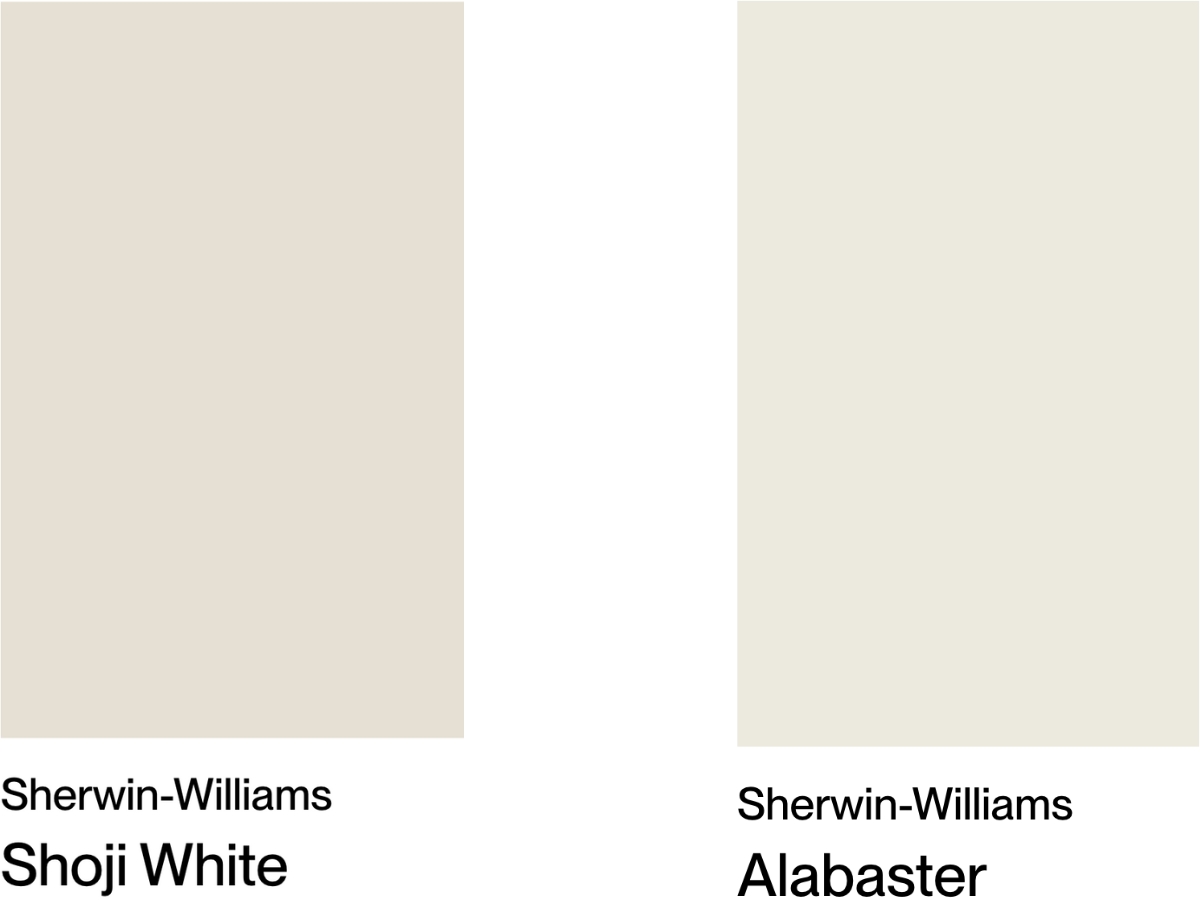
Shoji White by Sherwin-Williams is an off-white with clear beige and greige undertones. Its LRV is 74, so it reflects less light than many popular warm whites.
In morning light, Shoji White can read creamy. By evening, especially in cooler exposure, it can pick up a quiet gray cast. I like it in north-facing rooms when the homeowner wants softness rather than a bright white wall.
Alabaster, another Sherwin-Williams color, is a lighter warm white with a softer cream undertone. Its LRV is 82, which is why it usually reads brighter on the wall.
Alabaster is not a stark gallery white. It has enough warmth to avoid looking cold, but the undertone is quieter than Shoji White. In a bright room, that difference matters because Alabaster stays cleaner while Shoji White can lean beige.
The key difference? Shoji White is warmer, deeper, and more beige. Alabaster is lighter, cleaner, and closer to a classic soft white.
Both colors sit in the soft white family, but they solve different problems. Use Shoji White to calm a room that feels cold. Use Alabaster to brighten a room that feels heavy.
| SW Shoji White | SW Alabaster | |
|---|---|---|
| Color Code | SW 7042 | SW 7008 |
| Light Reflectance Value | 74 | 82 |
| Color Family | Off-White/Neutral | Off-White/Neutral |
| Undertones | Warm greige | Soft creamy |
Room-by-Room Comparison
Room use matters because these two colors answer different lighting problems. Look at the fixed finishes first, then the exposure, then the furniture.
Living Rooms
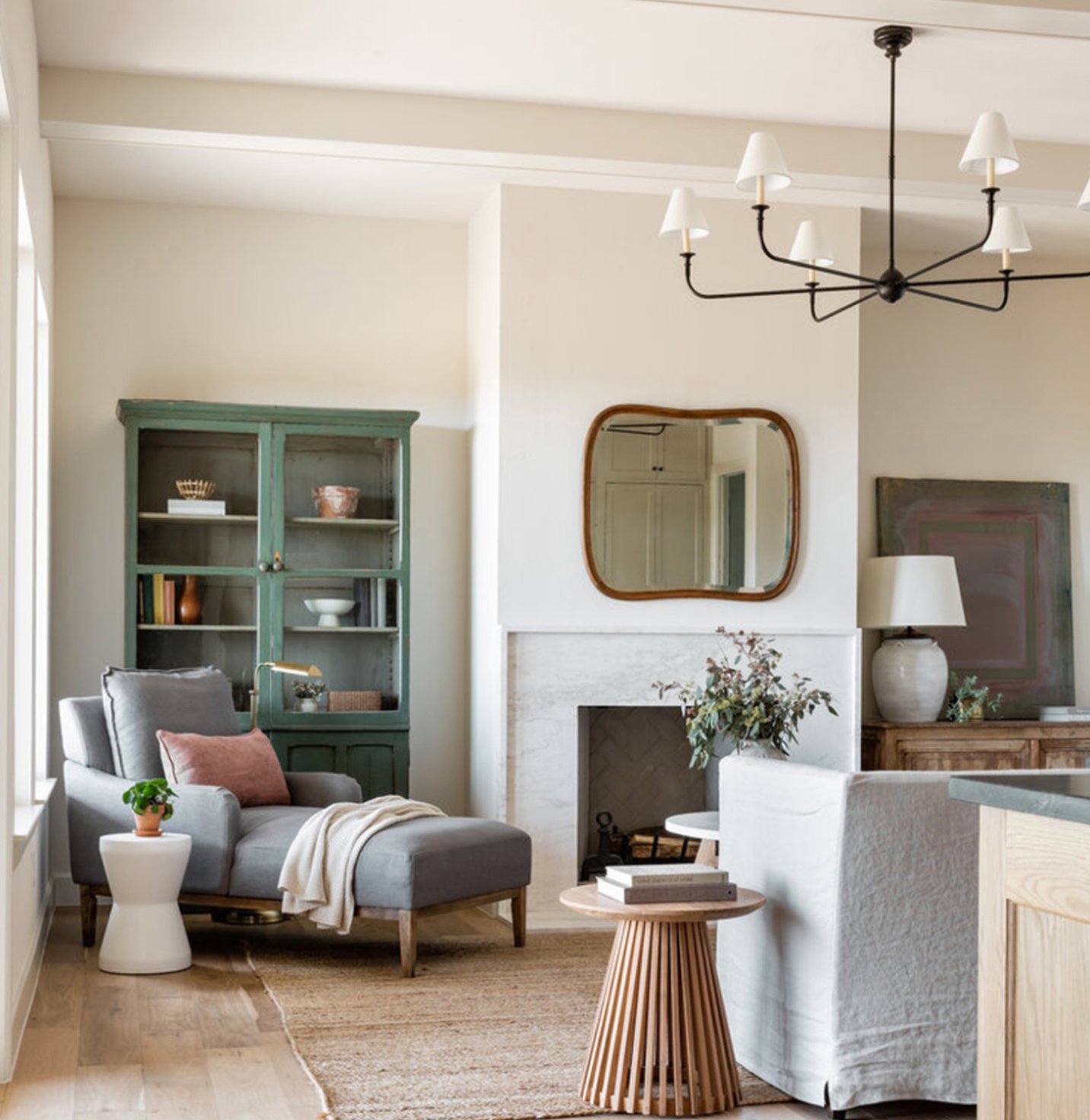
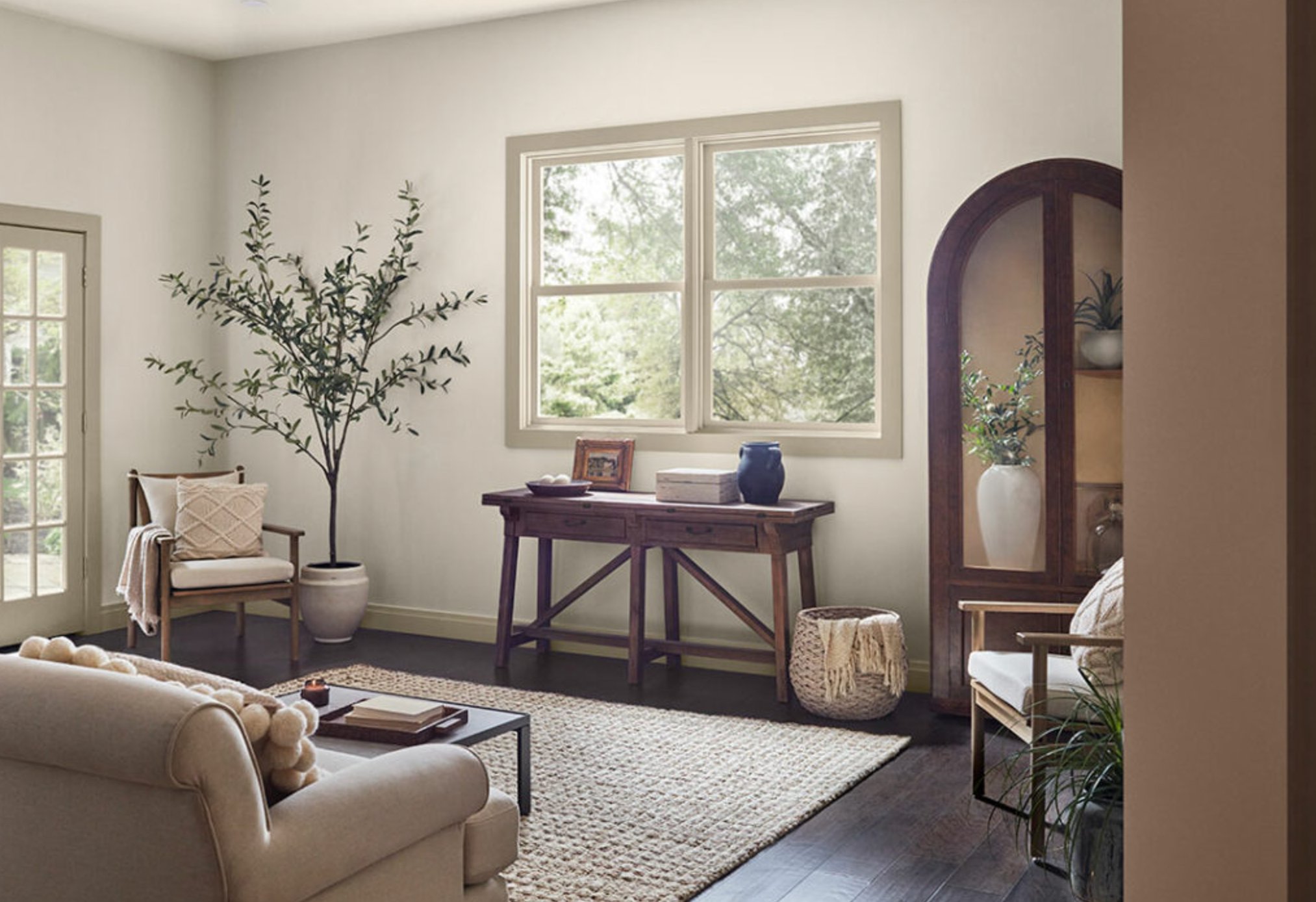
Shoji White works well in living rooms with steady daylight, wood floors, woven shades, tan upholstery, or stone with beige movement. It can look creamy in the morning and a little sandy later in the day.
If your living room has medium or dark wood furniture, Shoji White usually connects those pieces to the walls better than Alabaster does.
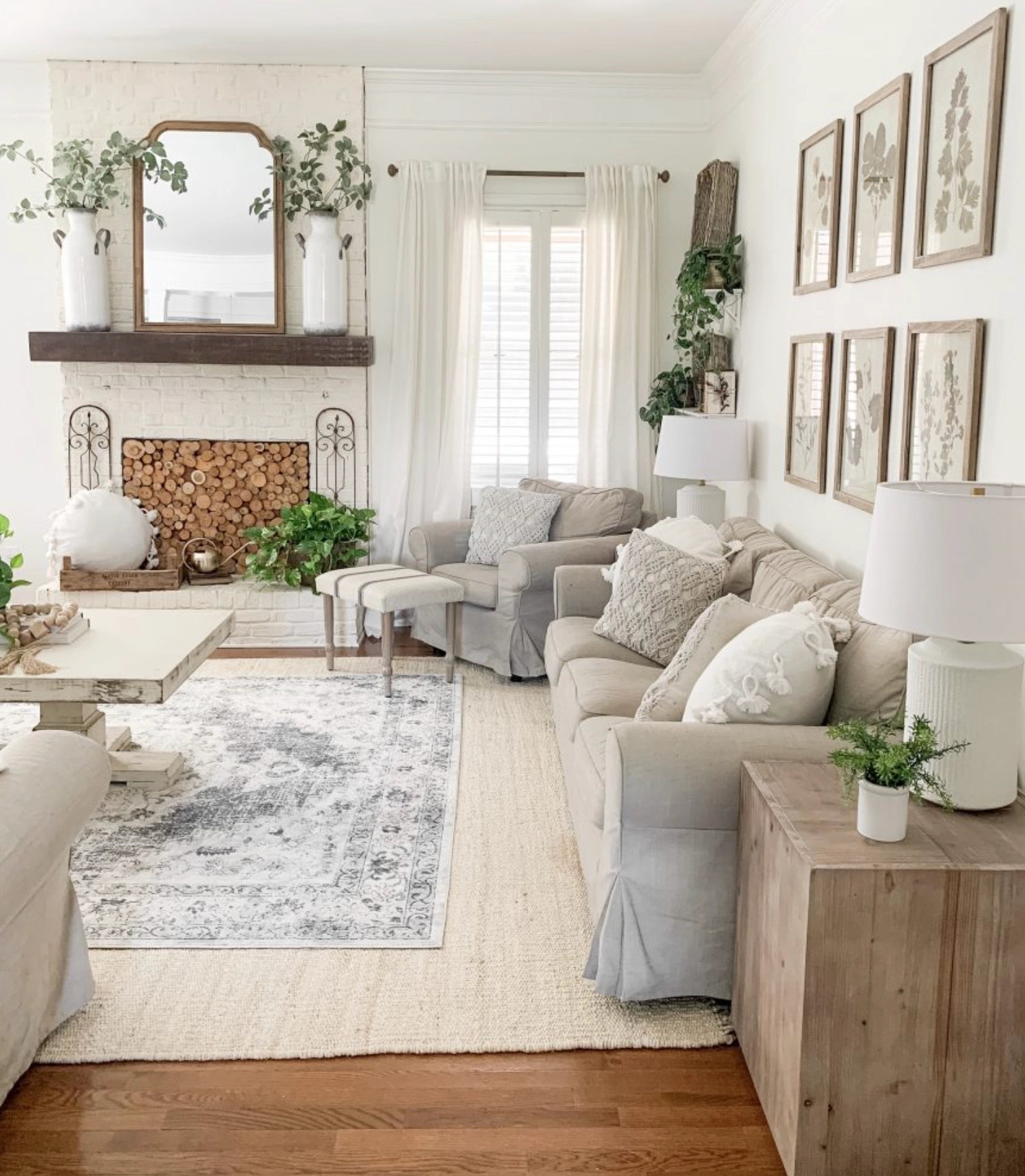
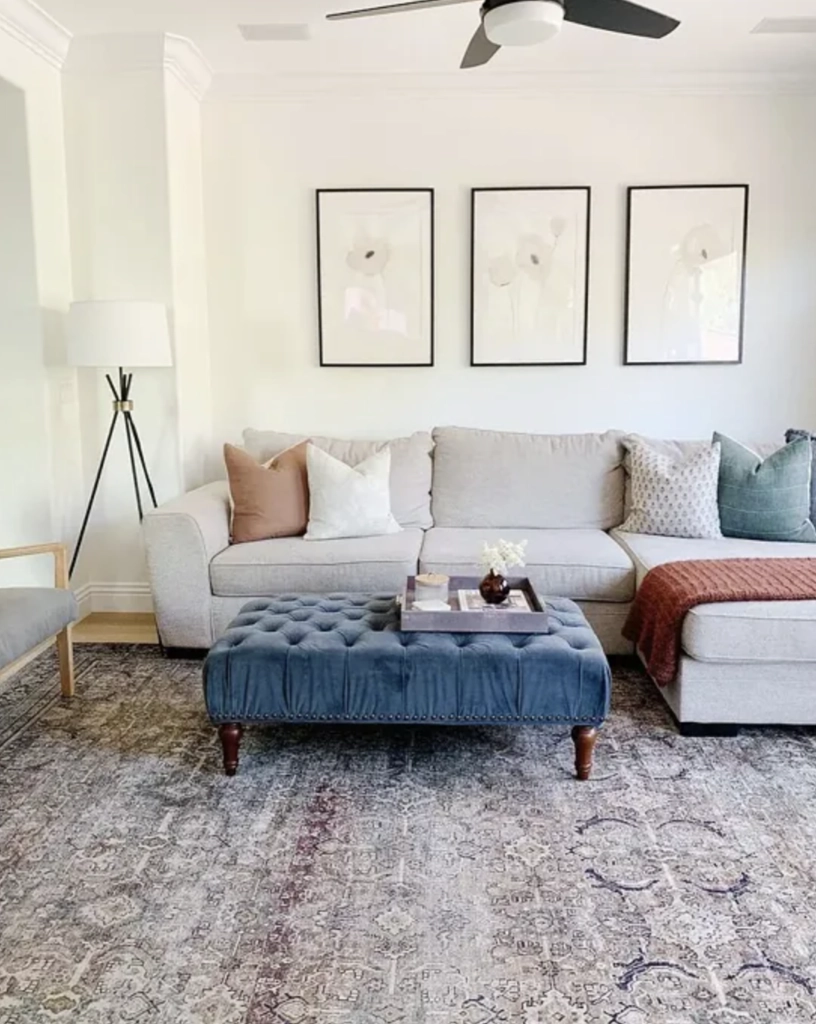
Alabaster is the better living room choice when you want the walls to recede. In smaller rooms, the higher LRV helps the room feel more open without jumping all the way to a crisp white.
I would use Alabaster over Shoji White in a living room with white trim, pale upholstery, black accents, or cleaner modern furniture.
Kitchens
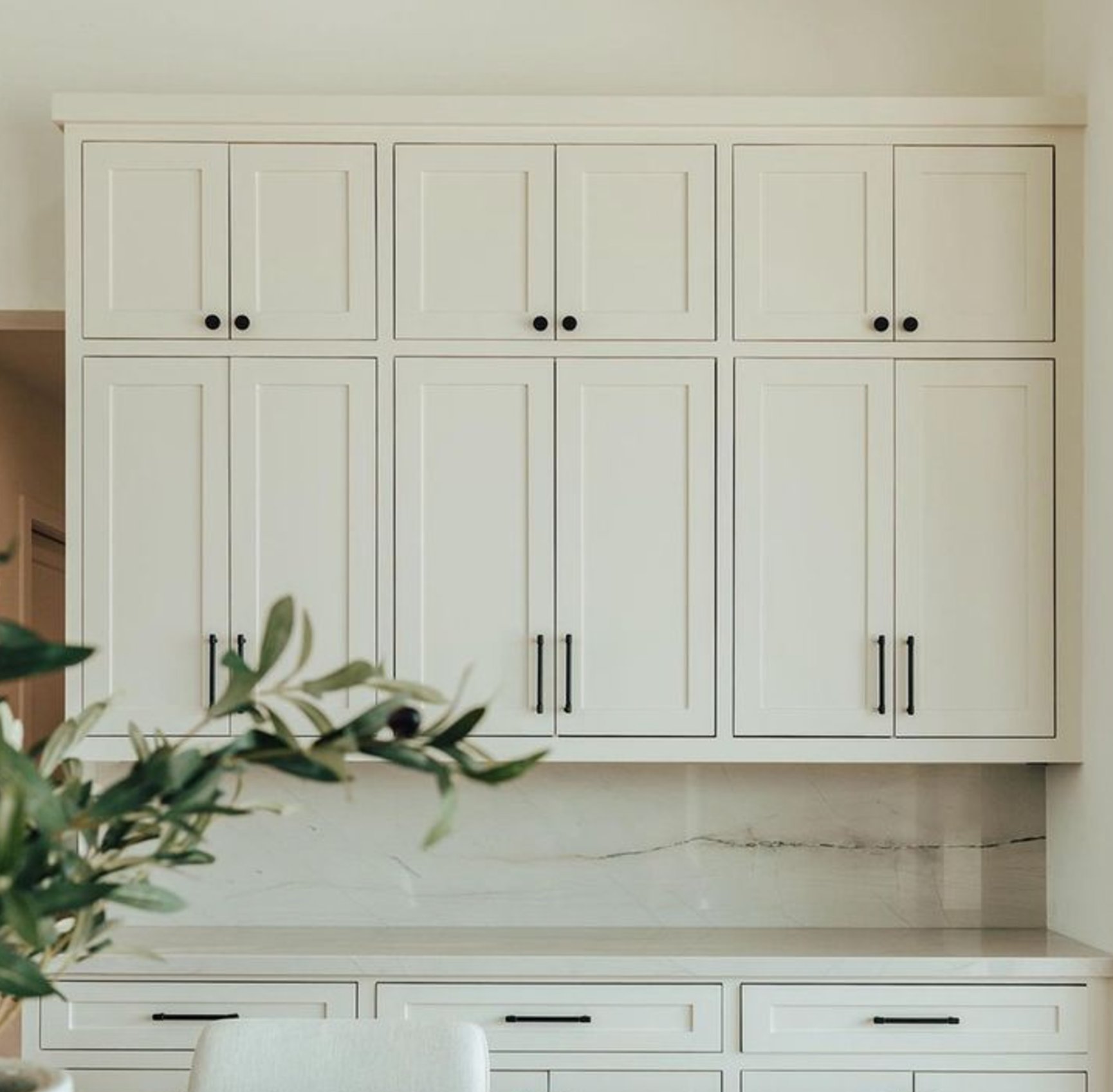
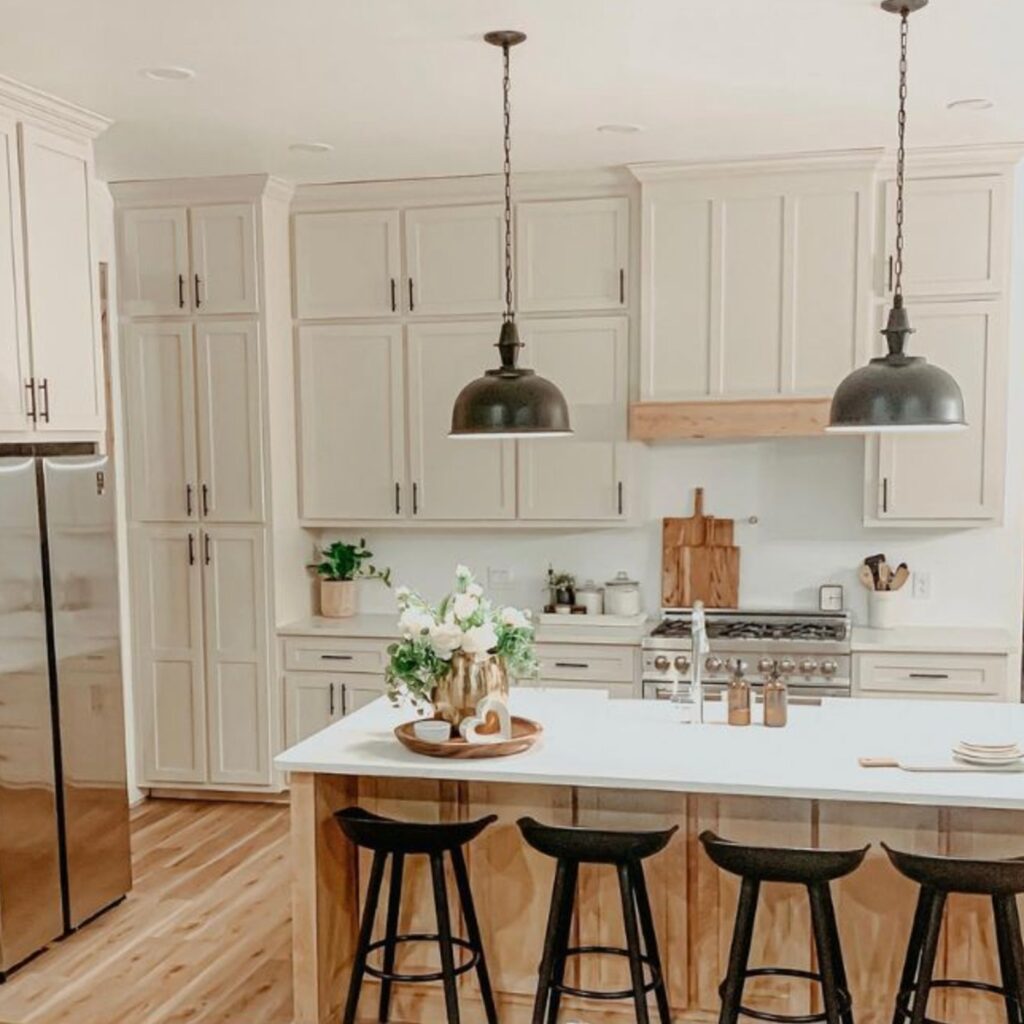
Shoji White is strongest in kitchens where the counters, backsplash, or flooring already have warmth. Think creamy marble, beige quartz, brass hardware, natural wood, or stainless steel that needs softening.
The beige undertone also hides small scuffs and splashes better than a cleaner white. That can matter in a busy kitchen, especially around the island and breakfast area.

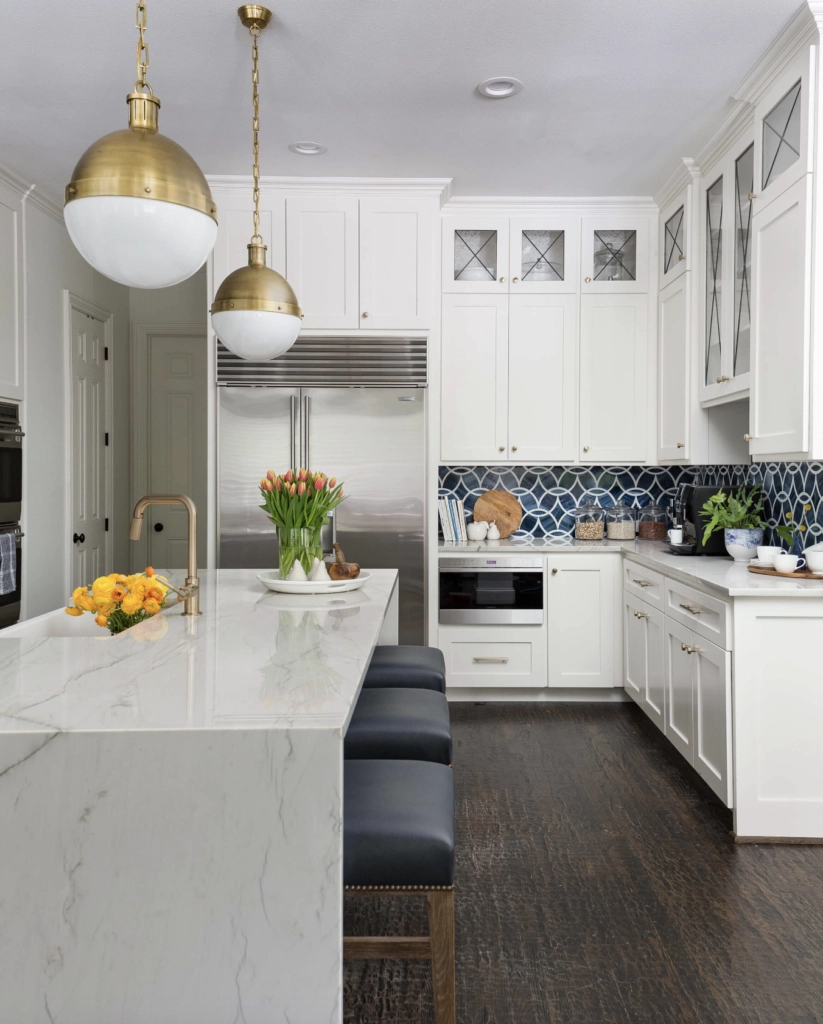
Alabaster works best in kitchens that need a cleaner read. It pairs well with white appliances, light cabinets, dark counters, and simple backsplash tile.
Choose Alabaster if Shoji White makes your cabinets or backsplash look dingy. The tradeoff is maintenance, because Alabaster shows fingerprints and cooking marks sooner.
Bedrooms
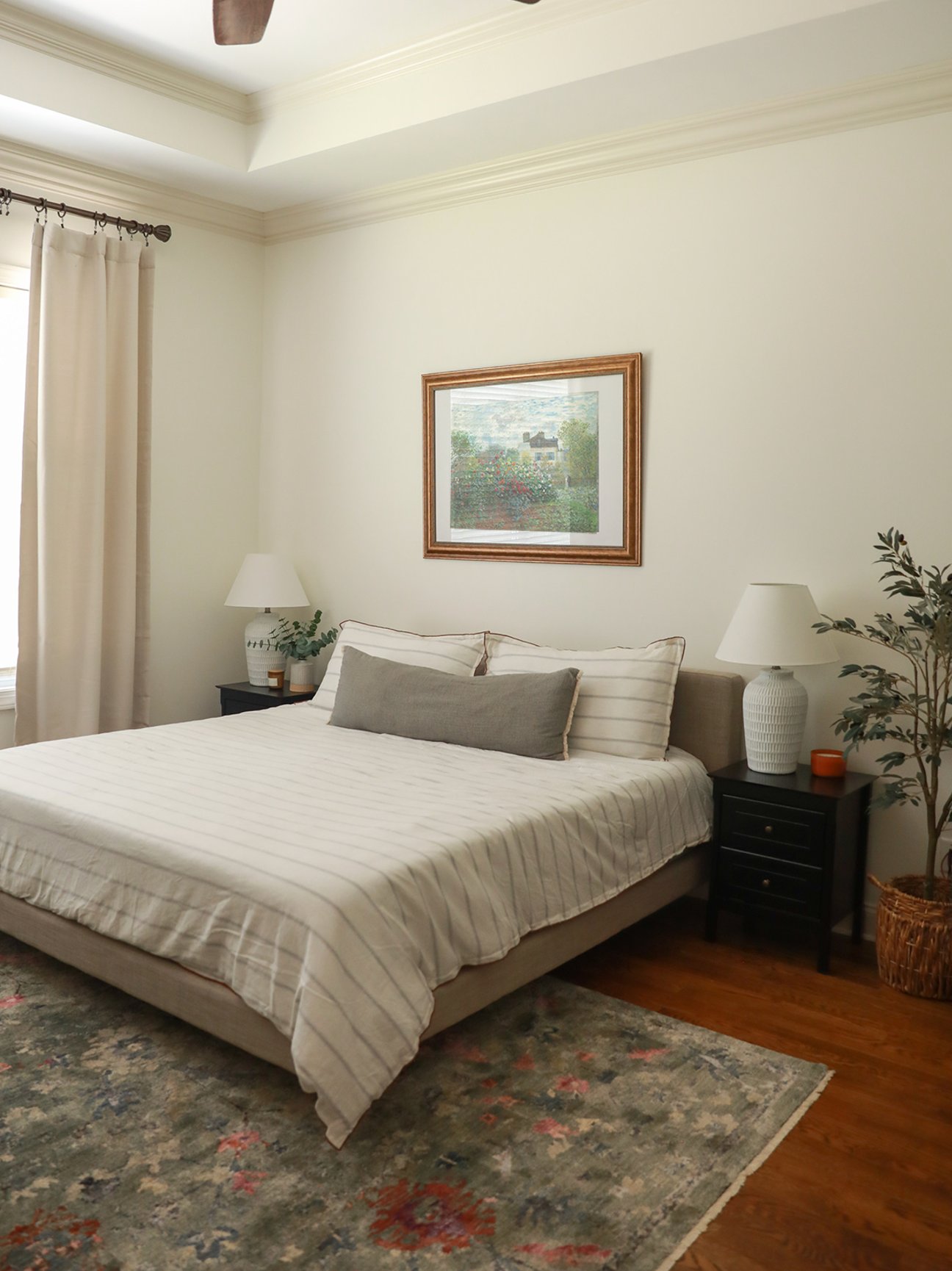
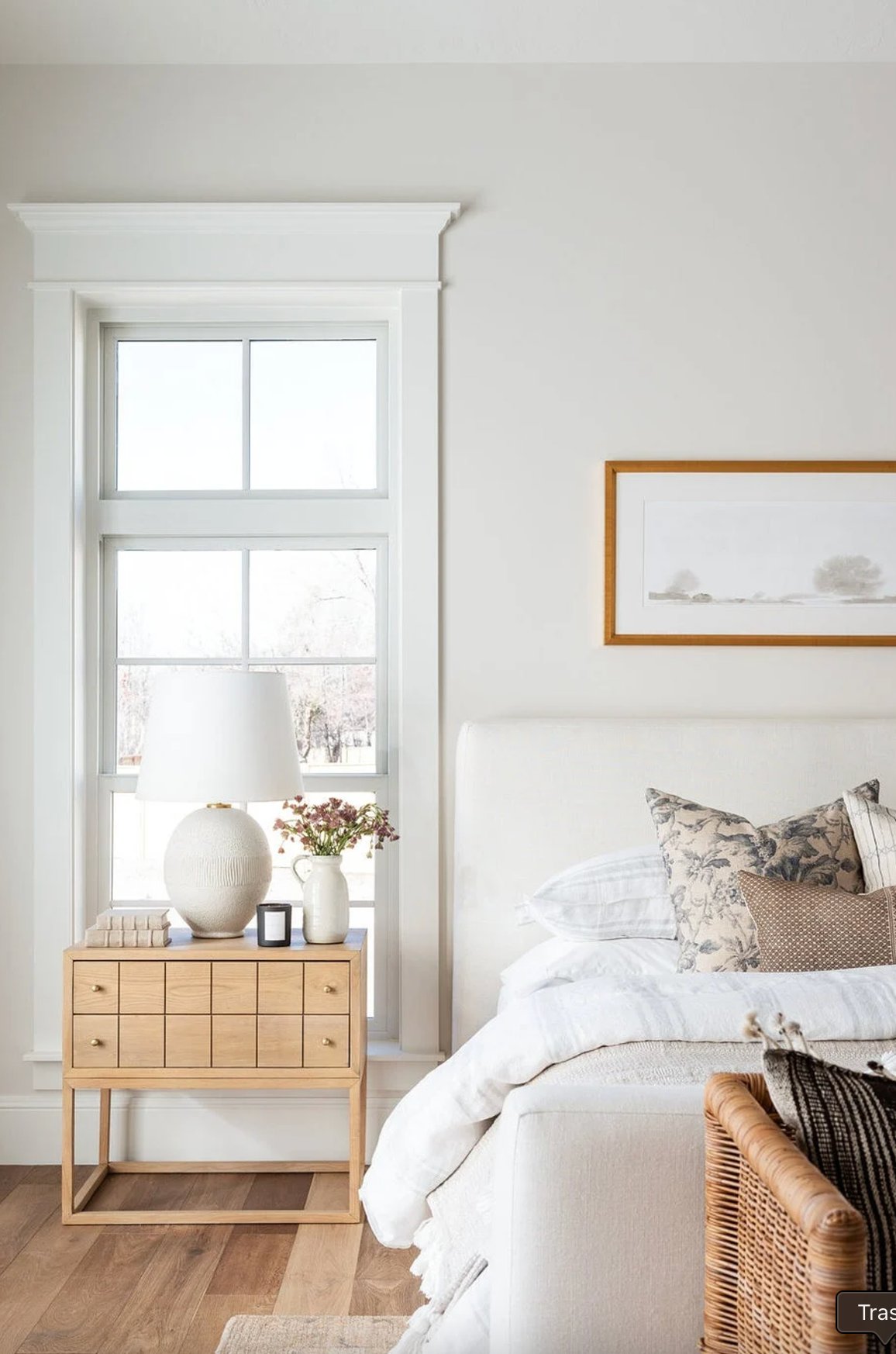
In bedrooms, Shoji White is the softer choice when you want the room to settle down at night. Warm bulbs, vintage wood, linen bedding, and cottage fabrics all make sense with its beige greige undertone.
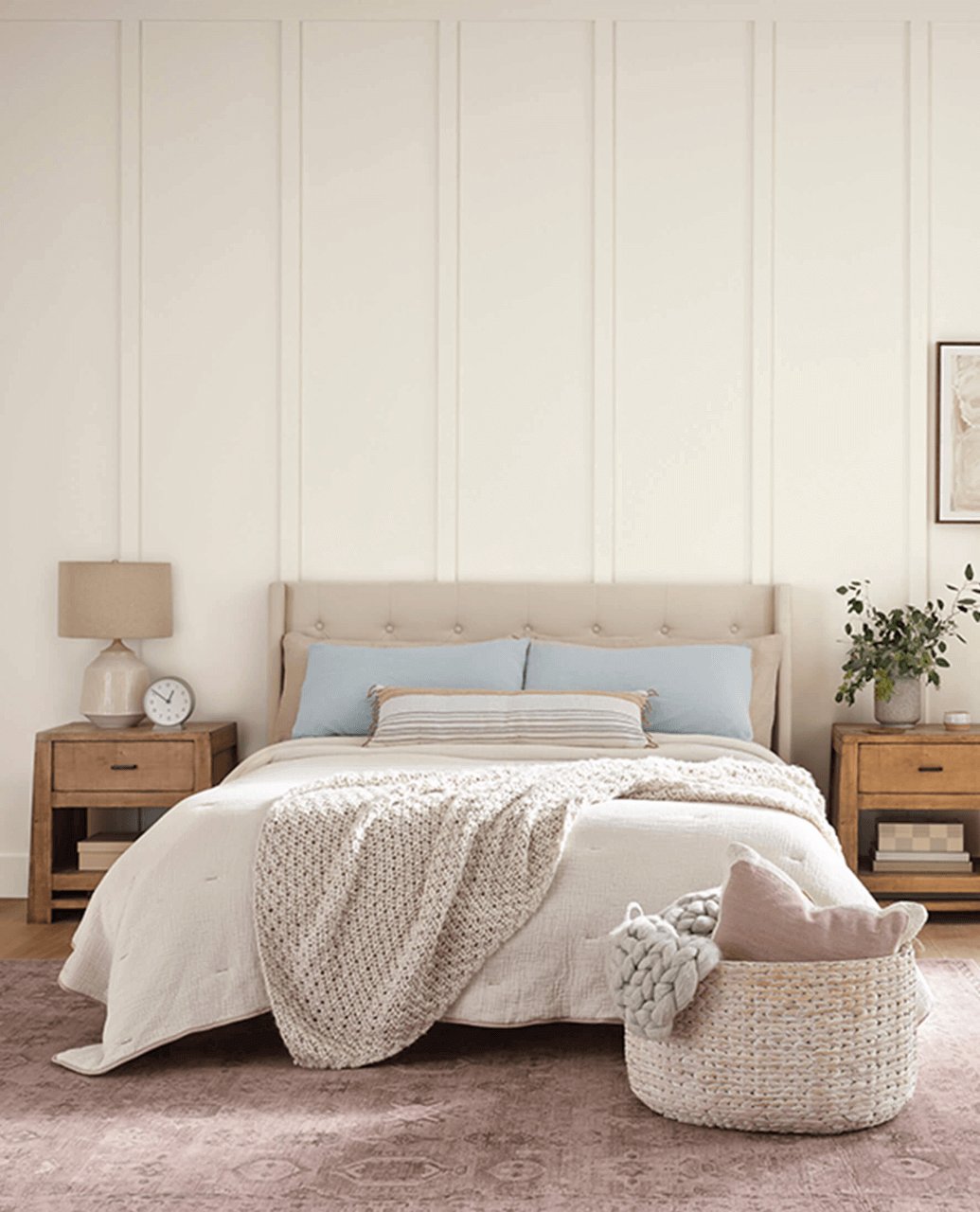
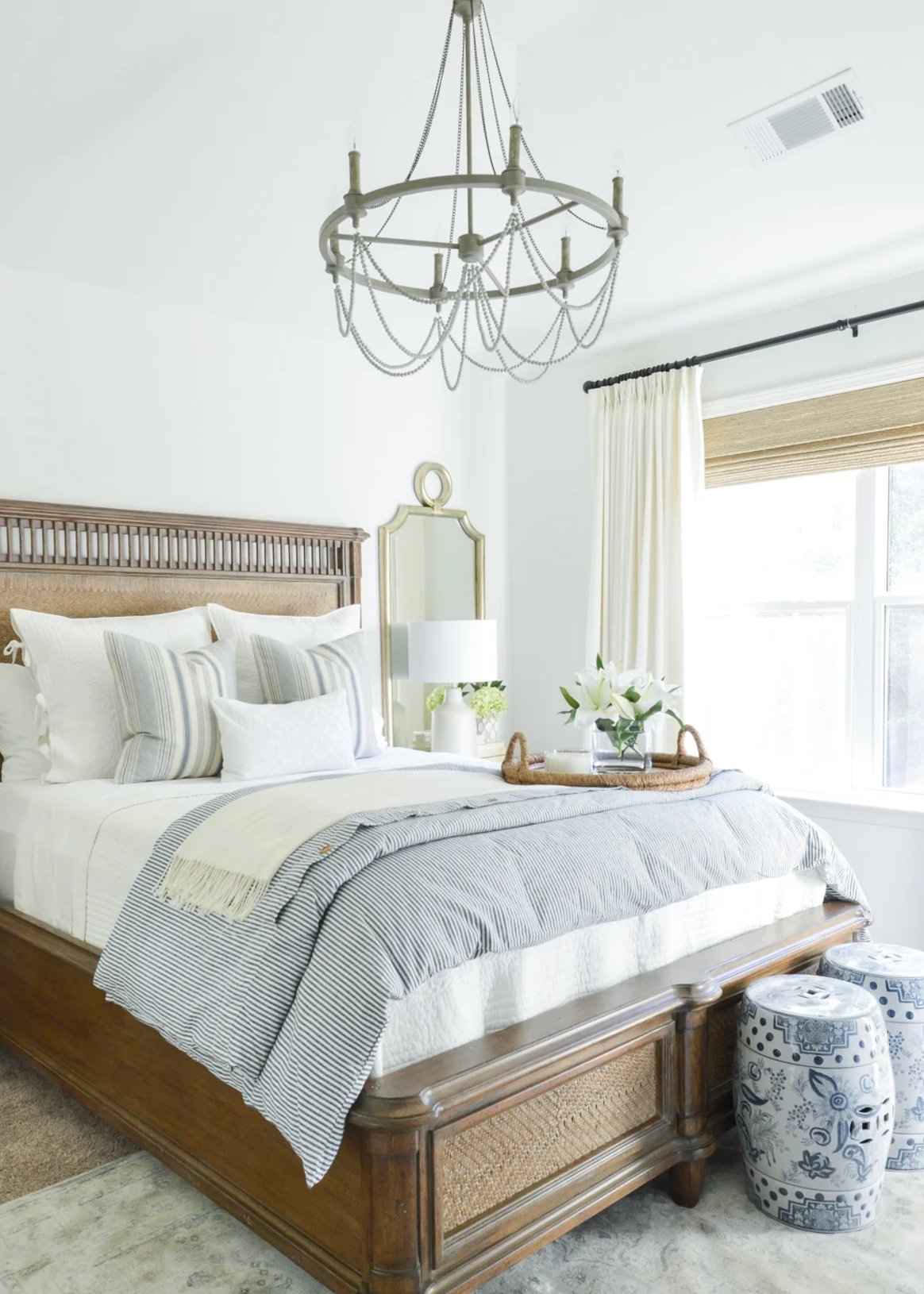
Alabaster is better for bedrooms that need more lift in the morning. I reach for it in smaller bedrooms, cleaner modern rooms, and spaces where the bedding is white, gray, blue, or black.
Hallways and Entryways
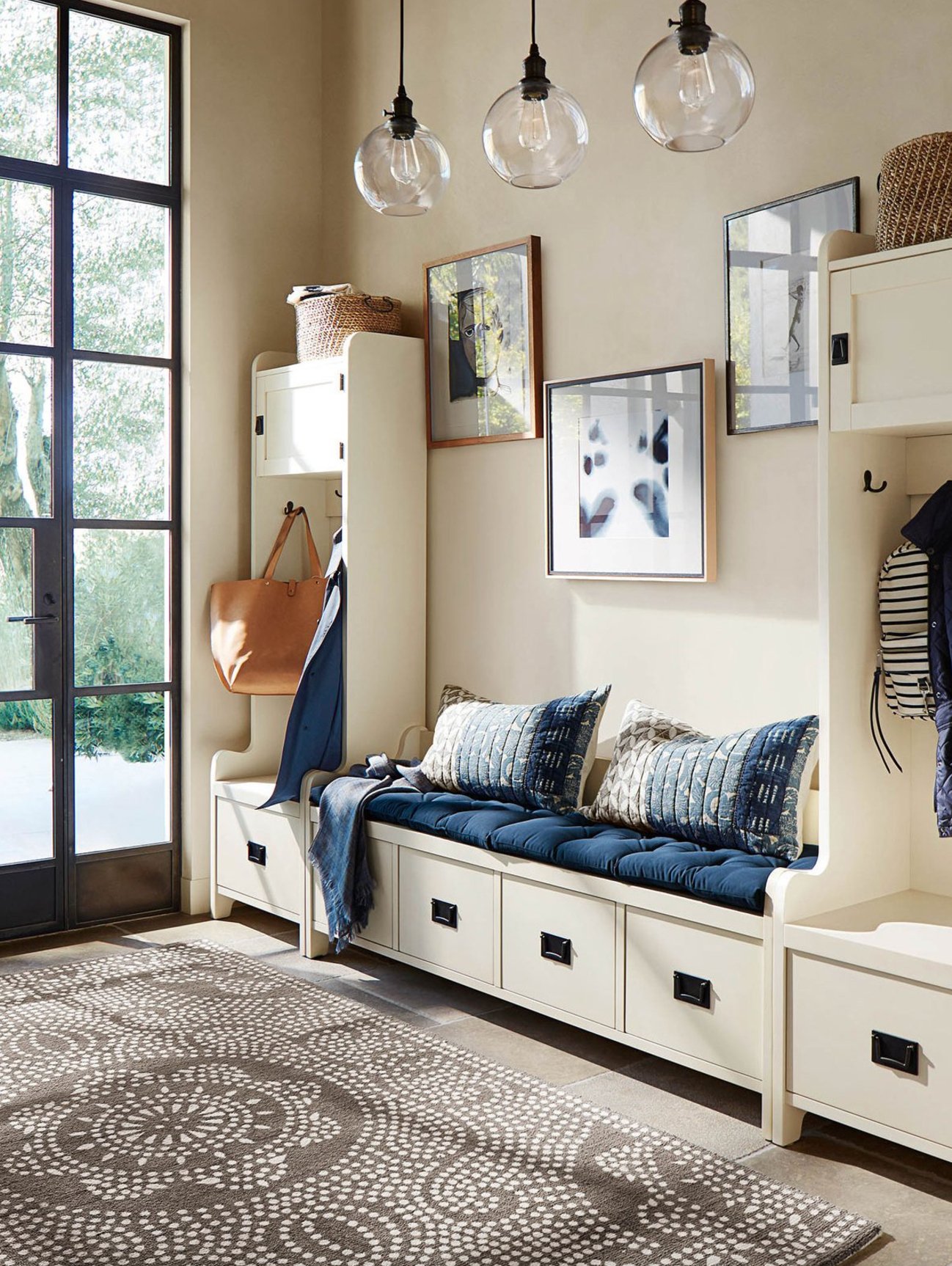
Shoji White by Sherwin Williams
source
Shoji White is practical for entryways and hallways because the warmer undertone is more forgiving. Scuffs from bags, coats, shoes, and kids' backpacks show less than they would on Alabaster.
Use it in a windowless hall if the nearby rooms have beige, tan, wood, or warm stone. It keeps the transition from feeling abrupt.
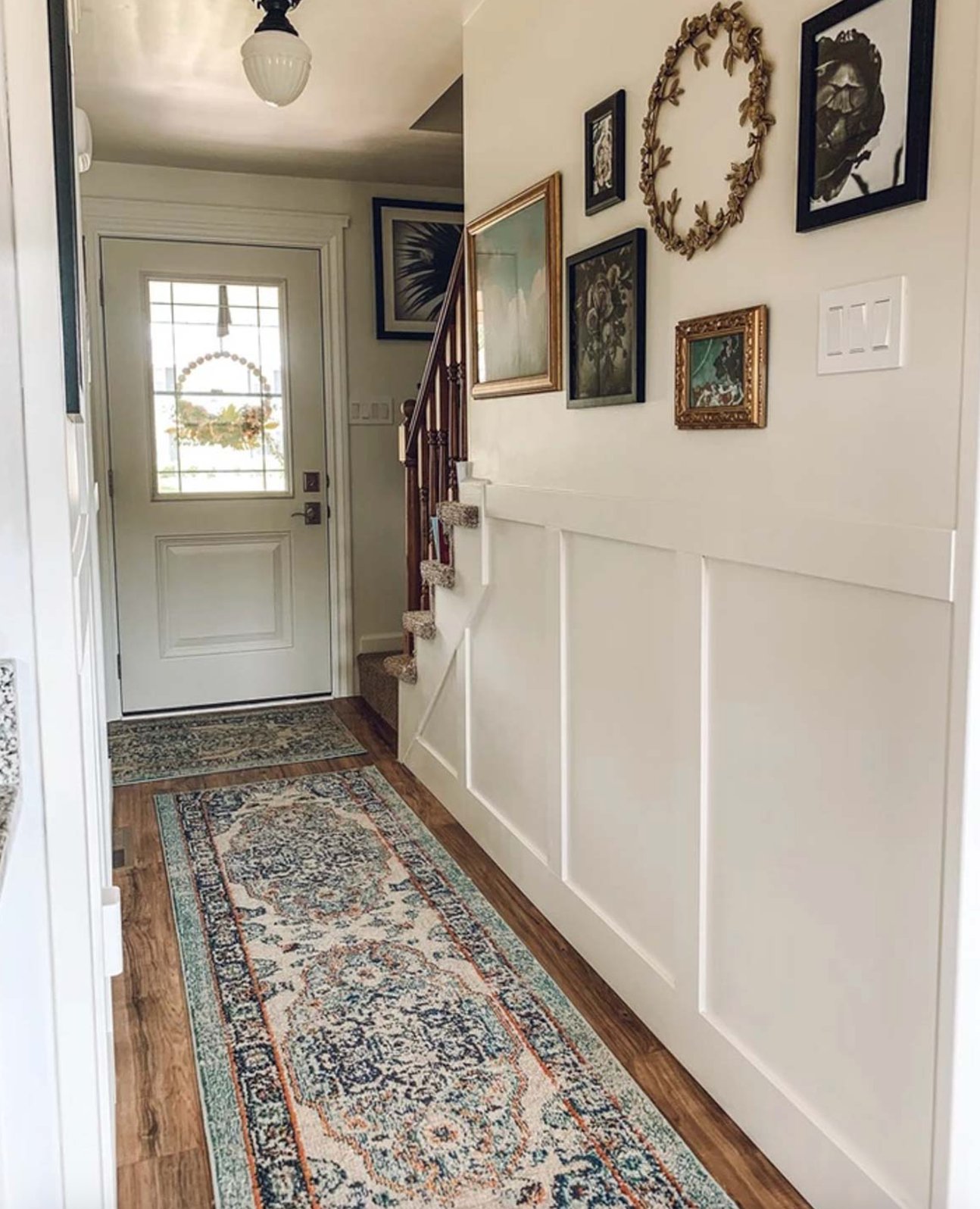
Alabaster by Sherwin Williams
source
Alabaster is the stronger choice for dark hallways that need more reflected light. It looks cleaner than Shoji White, but it will show dirt faster, so choose a washable finish if the hallway gets heavy traffic.
Lighting Impact
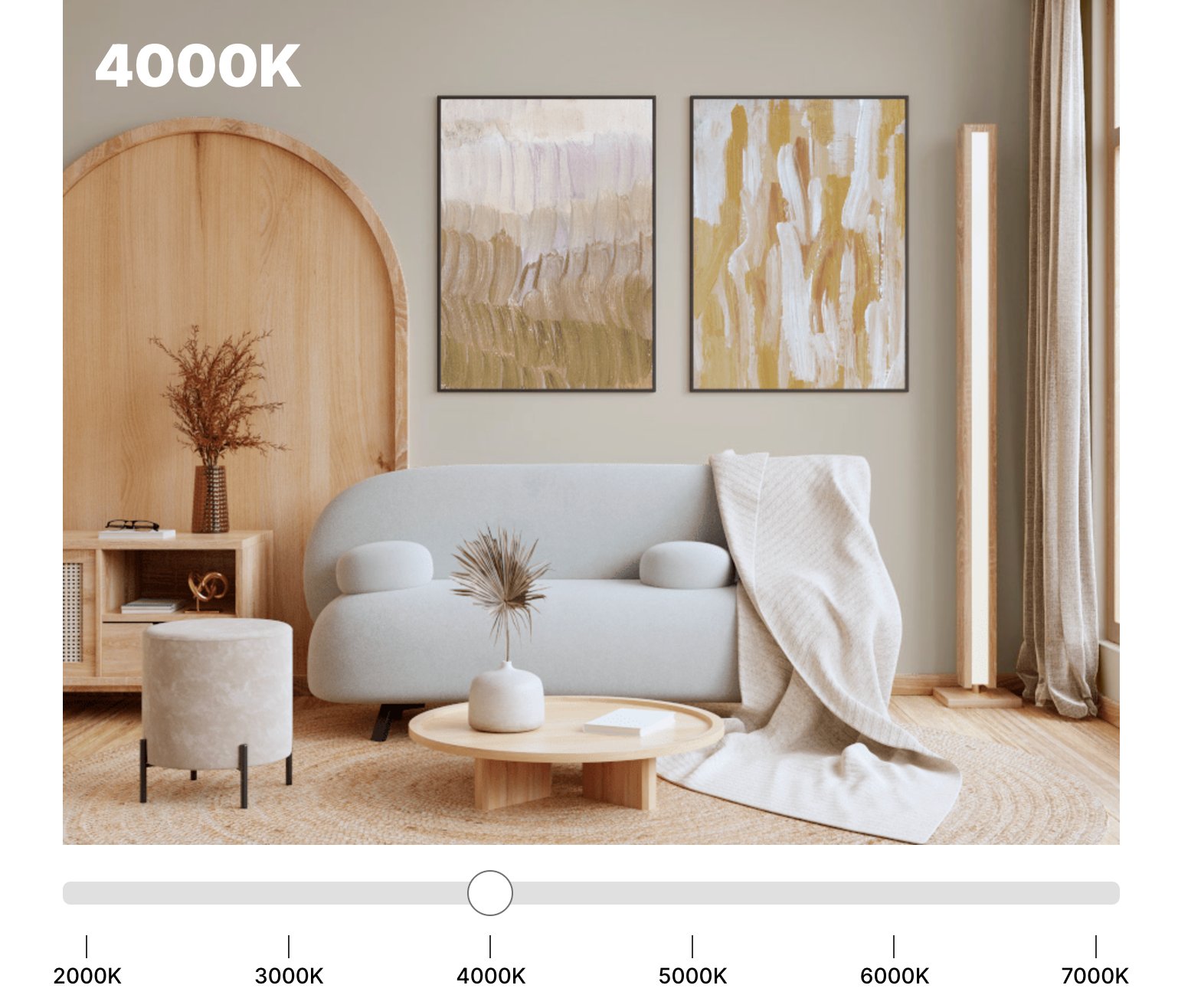
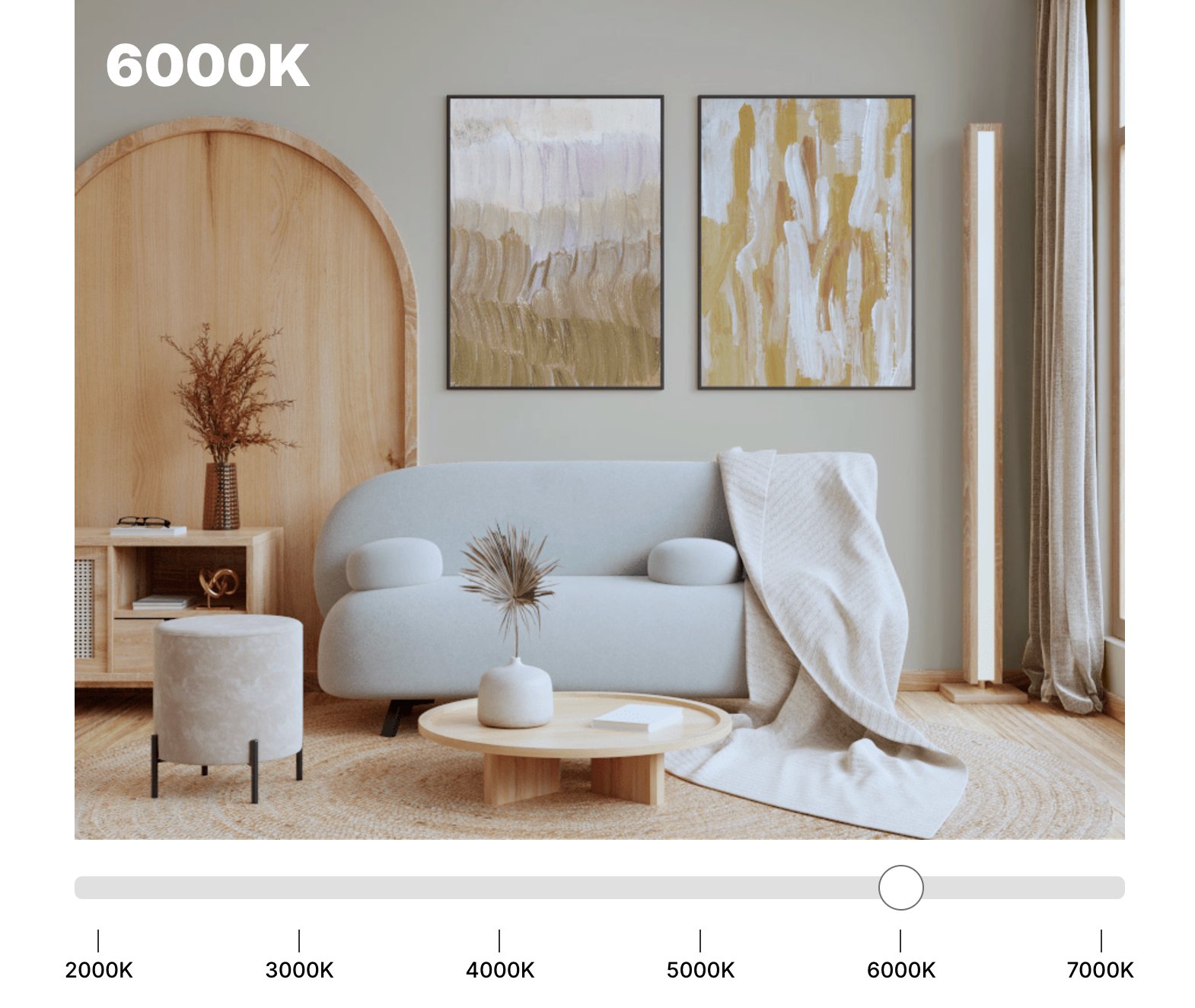
SW Shoji White changes noticeably with lighting. In bright daylight, the beige undertone becomes easier to see. In living rooms with large windows or sunny bedrooms, that warmth can make the room feel settled instead of washed out.
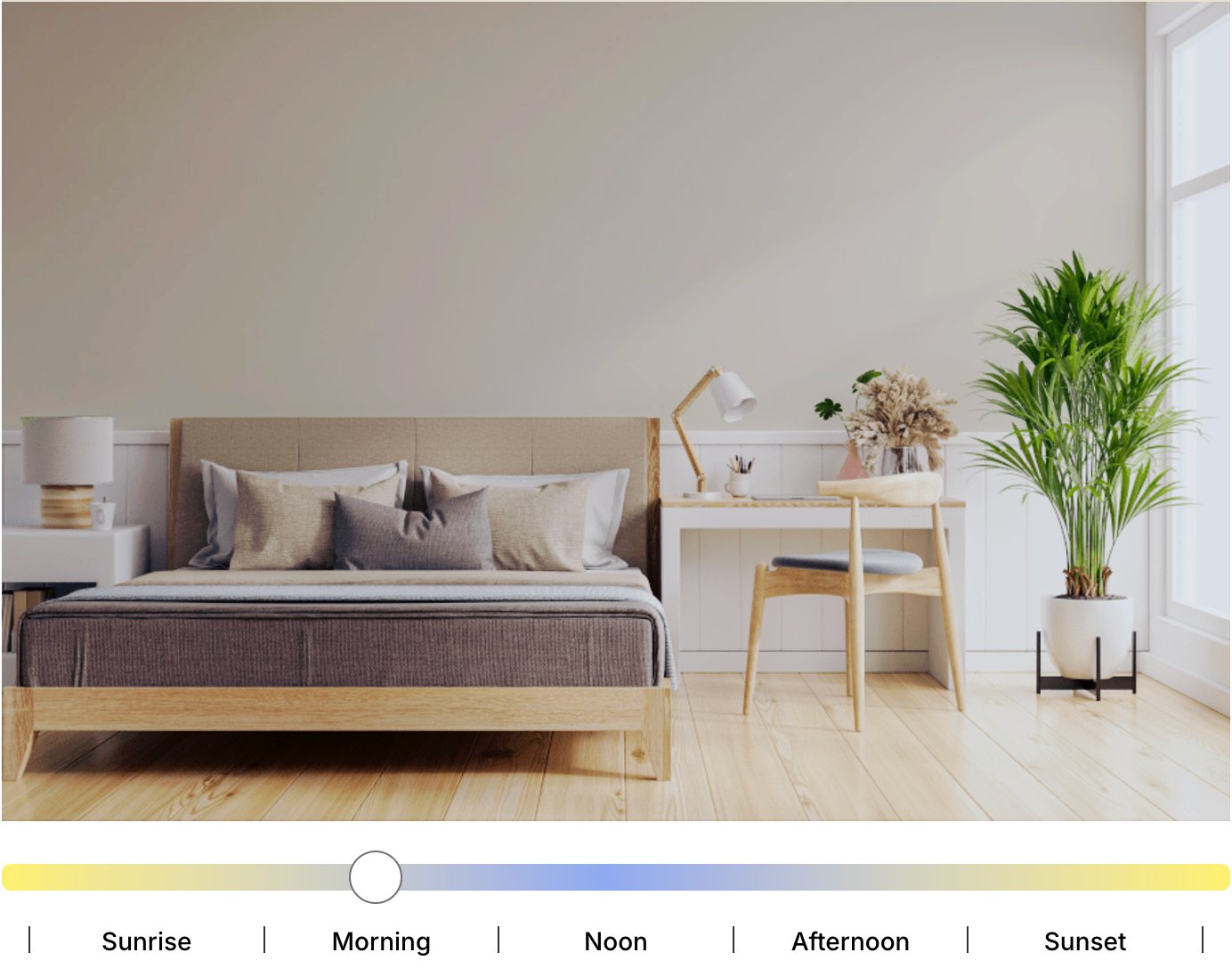
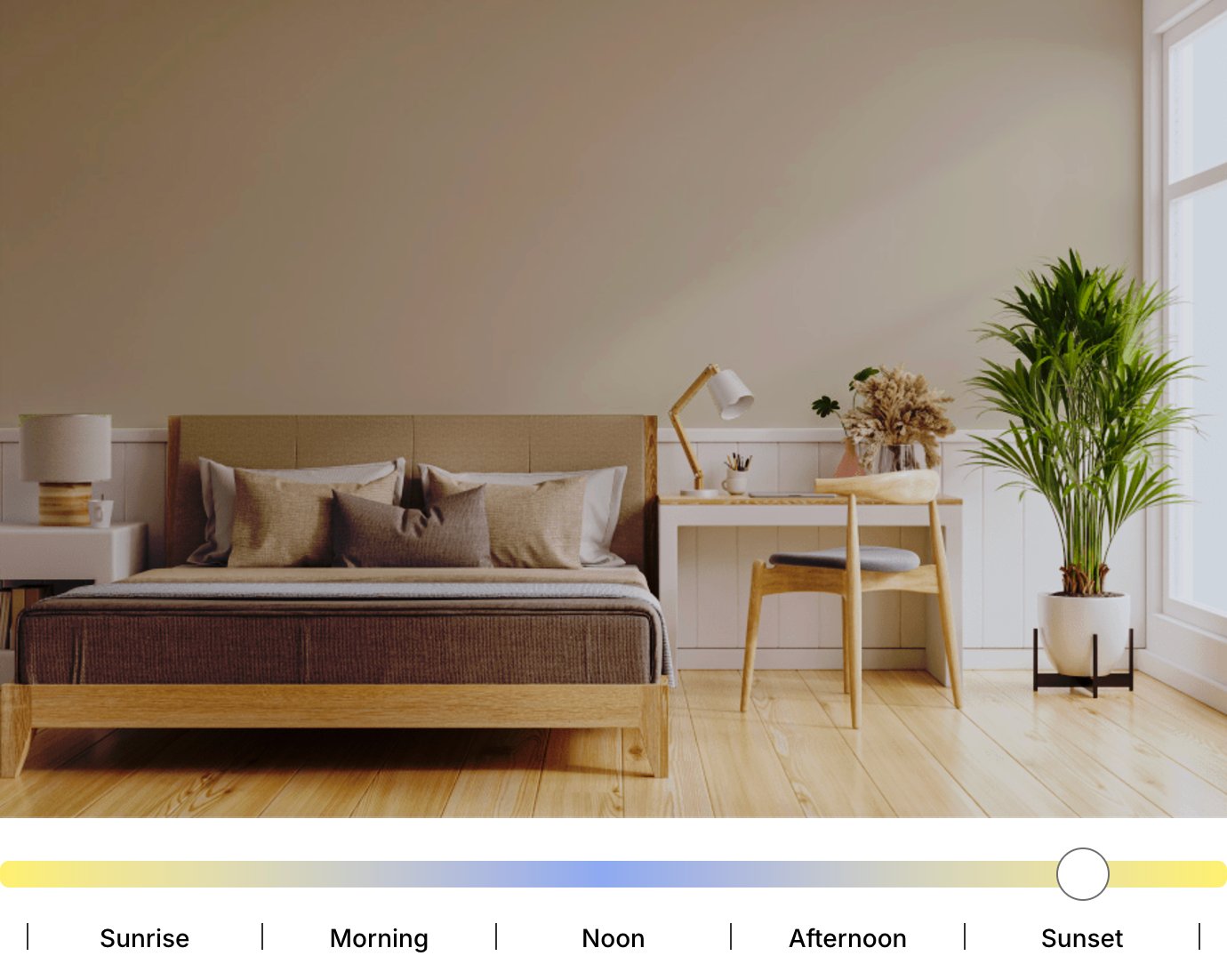
On a sample board, Shoji White often looks creamier in the morning and more neutral by evening. Test it on more than one wall if your room has mixed exposure.
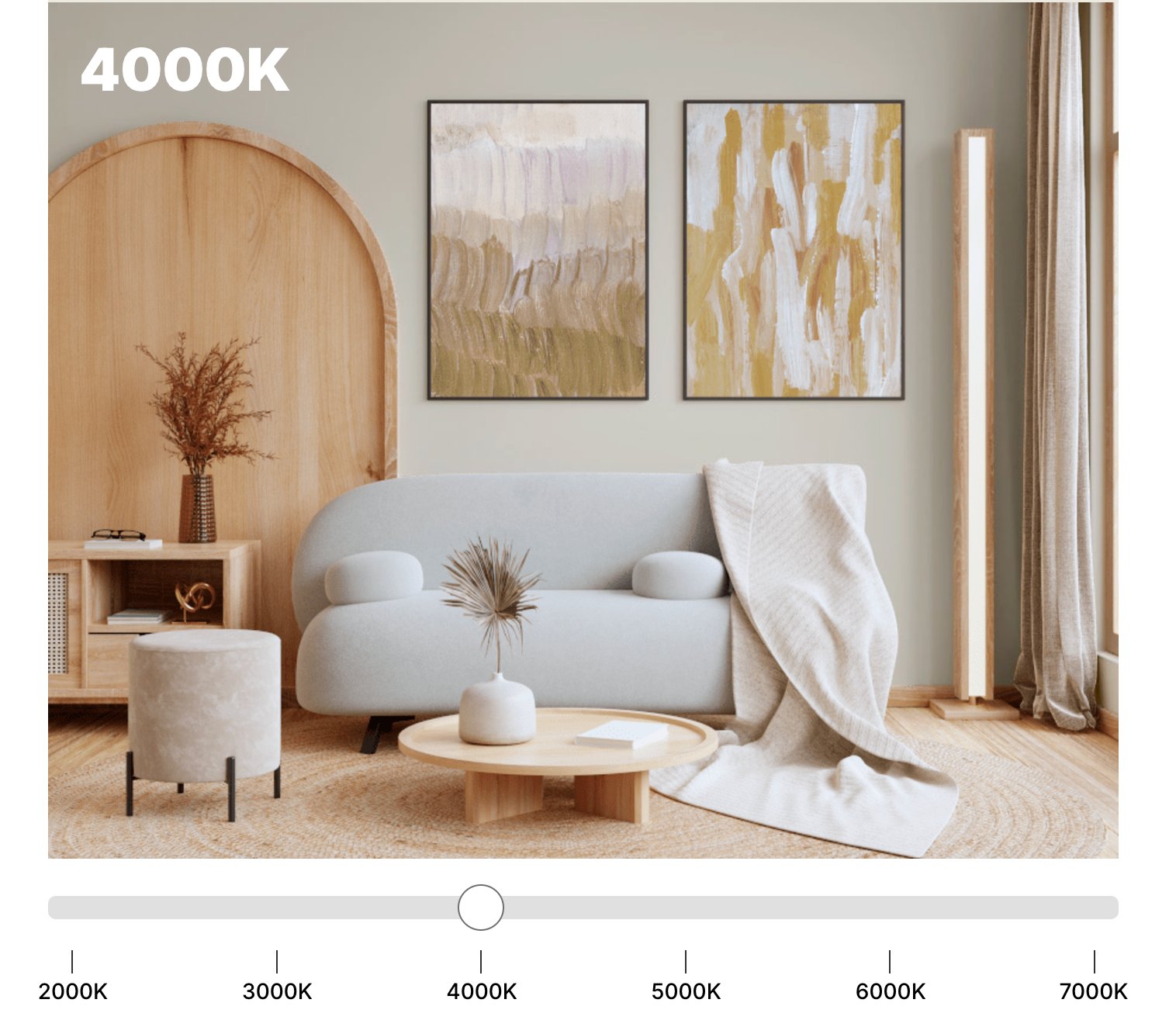
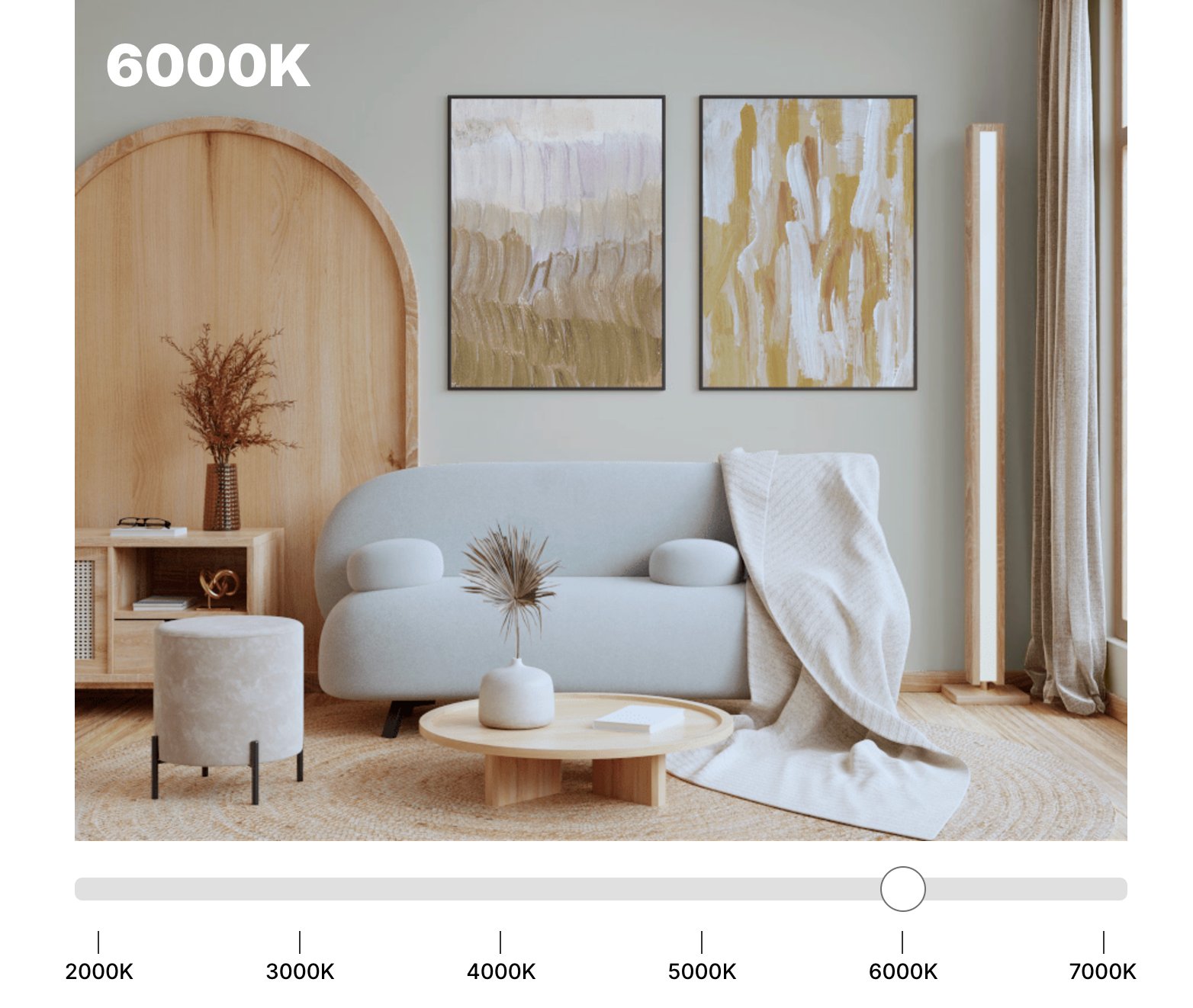
Alabaster is steadier across different lighting conditions. Because it is lighter and less beige than Shoji White, it is usually the safer choice for rooms with limited natural light or rooms that rely mostly on lamps.
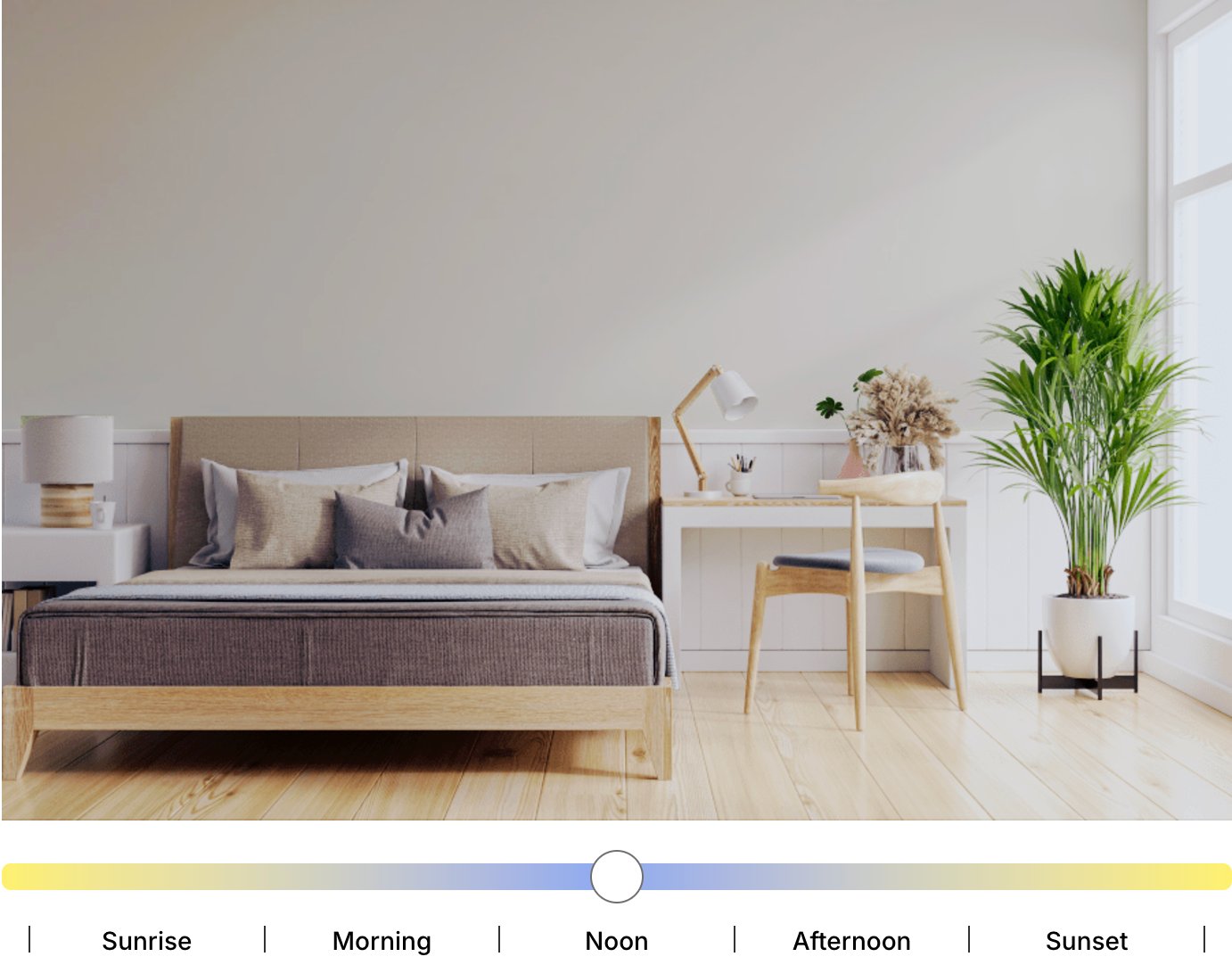
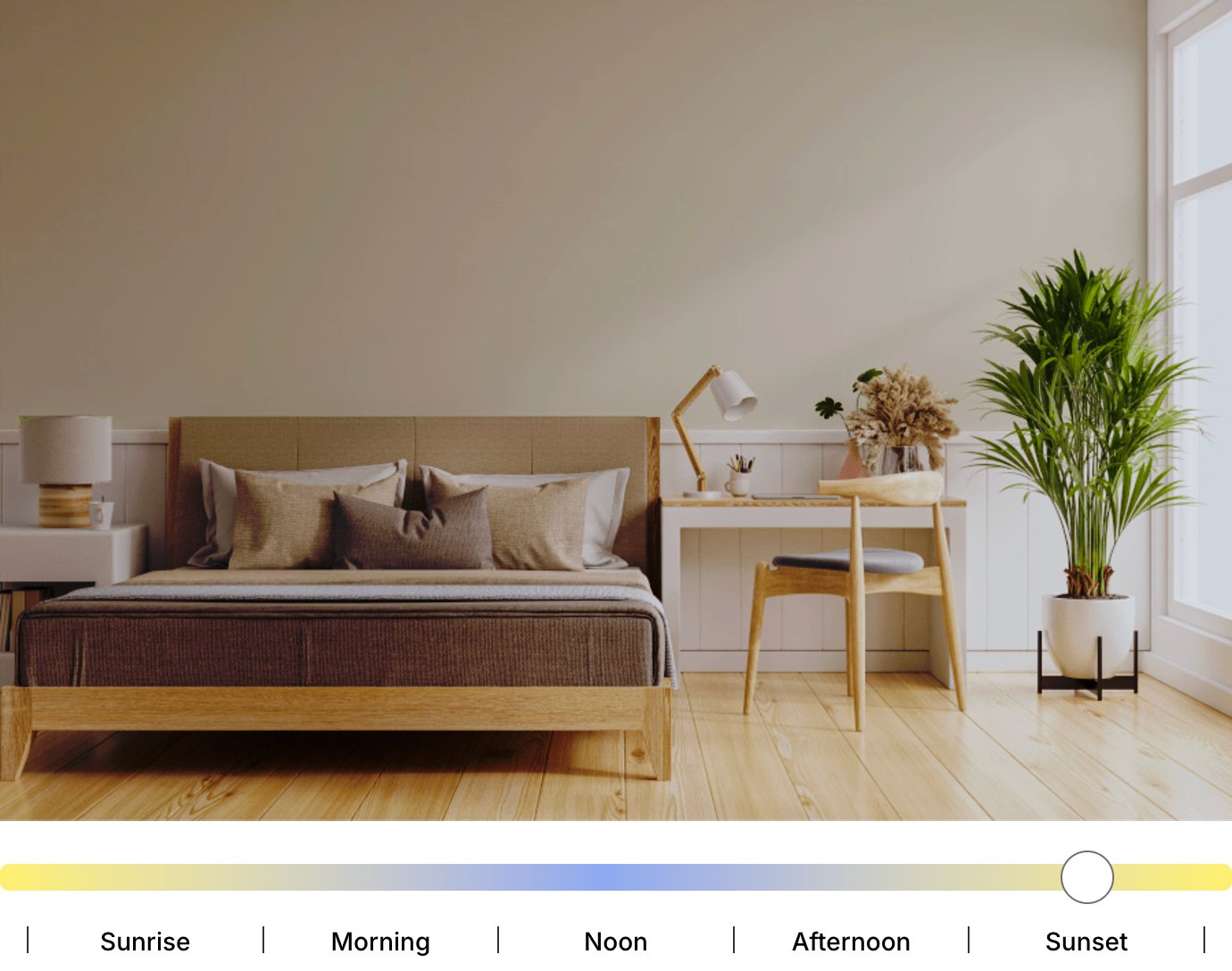
For a north-facing bedroom, Alabaster is usually the better pick if brightness is the goal. It holds up well on gloomy days, resists looking too yellow under warm bulbs, and does not turn icy in natural light.
Coordinating Colors
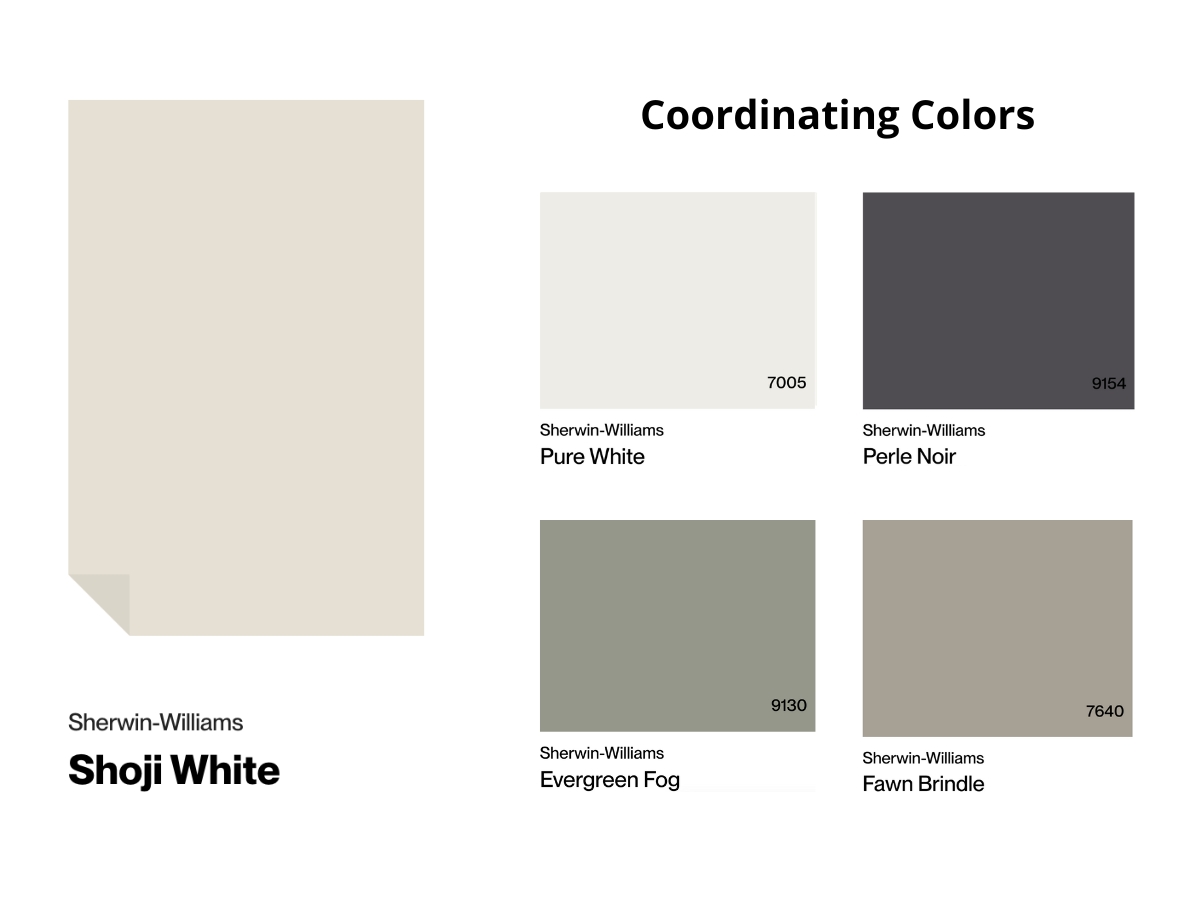
Shoji White pairs best with natural, slightly earthy finishes. It works with terracotta pots, leather chairs, warm wood, jute rugs, and older dark furniture that can look disconnected against a cleaner white.
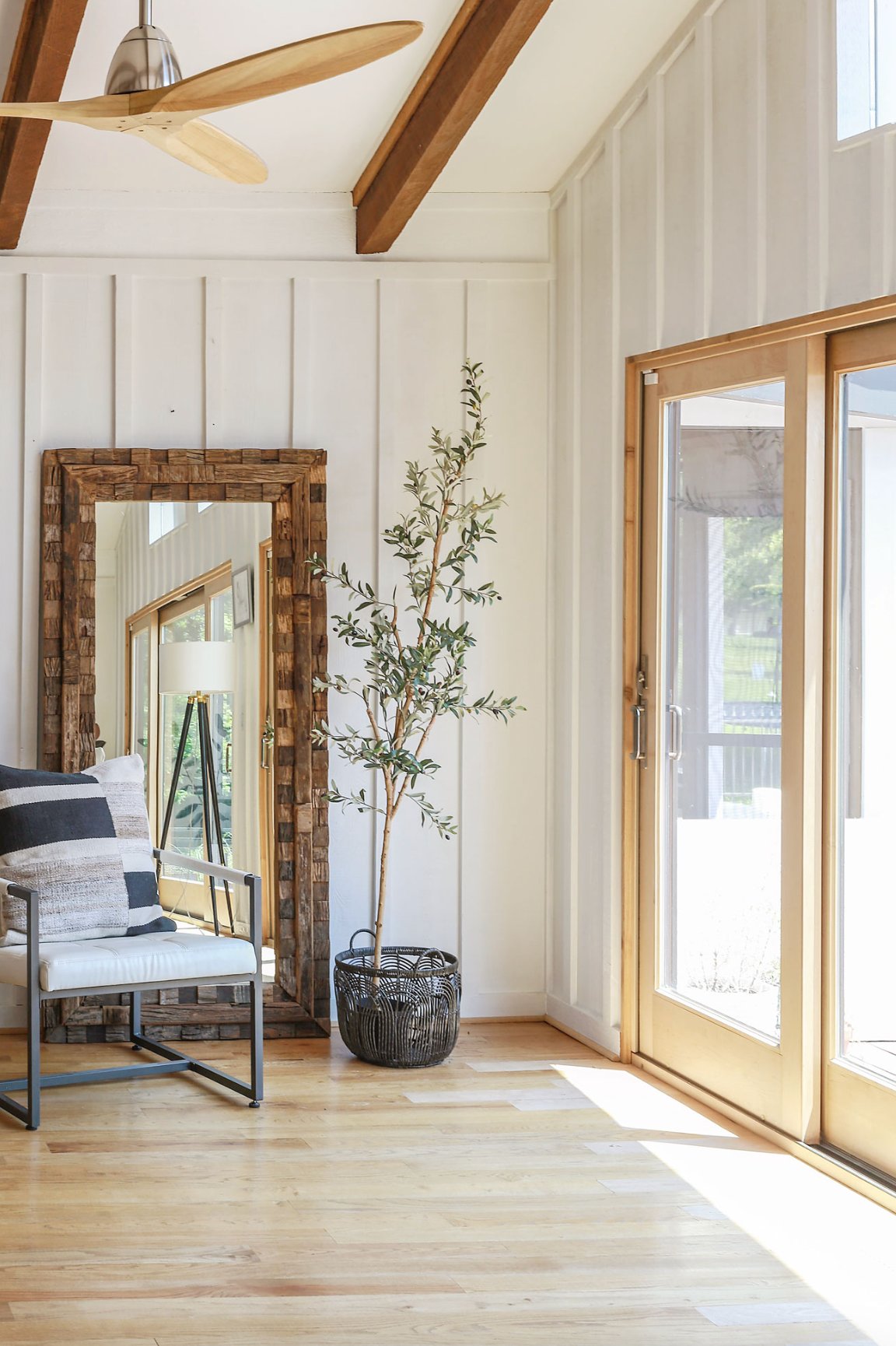
Shoji White by Sherwin Williams
source
It is also a good wall color for woven baskets, bamboo blinds, and other textured pieces. The wall does not fight the texture or make it look too yellow.

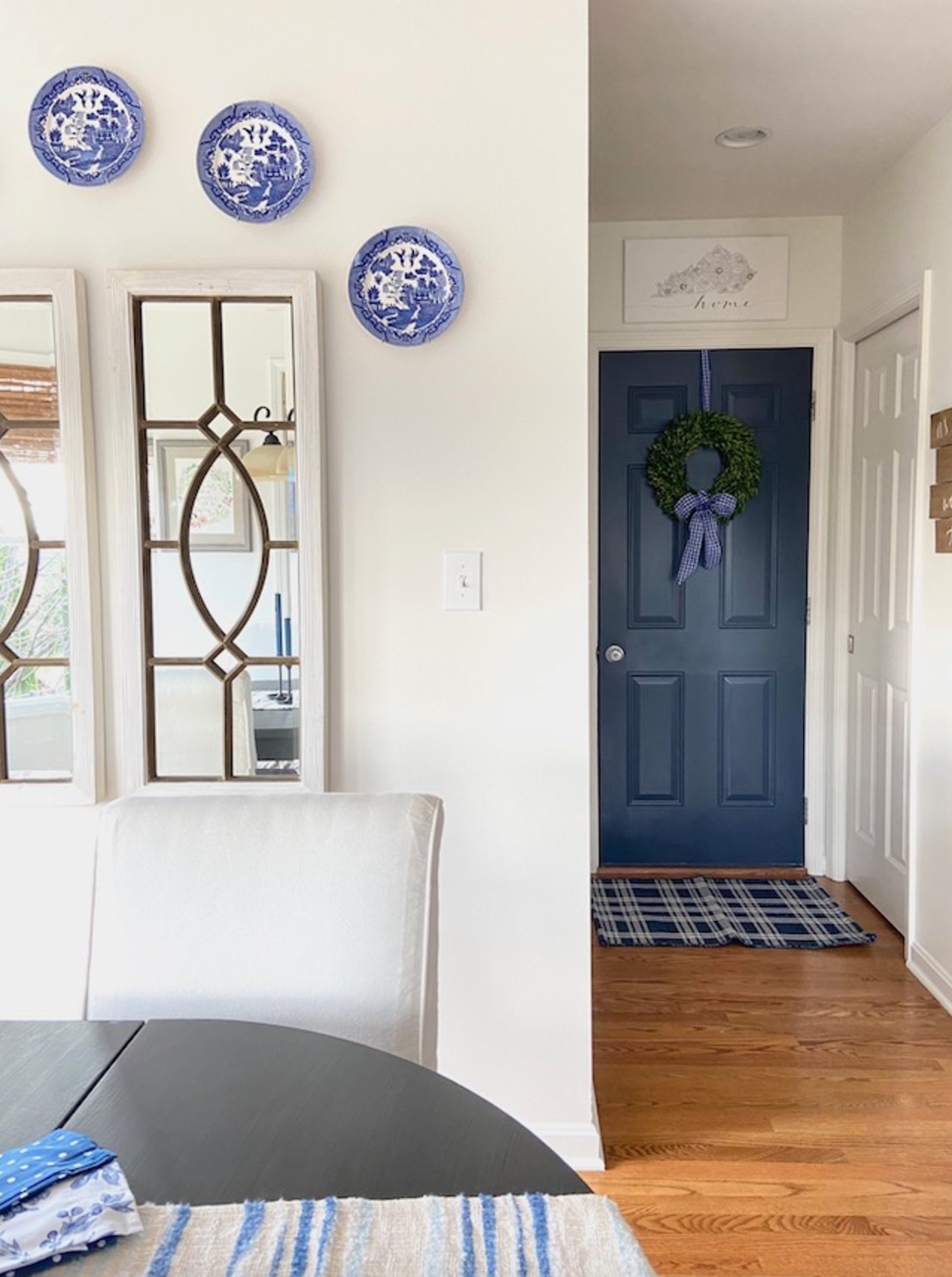
Alabaster goes cleaner. It is the better choice with cooler grays, navy, black hardware, glass, chrome, and simpler modern lines.
Alabaster by Sherwin Williams
source
If your room leans Scandinavian or minimal, Alabaster usually makes more sense than Shoji White. It gives pale woods and white textiles breathing room without adding a beige cast.
Making Your Decision
Here is the decision rule I use with clients: pick Shoji White when the room needs warmth, and pick Alabaster when the room needs light.
Shoji White is the better bet if the room has vintage furniture, natural materials, beige stone, warm wood, or a cold exposure that makes whites look flat. It will not read as bright as Alabaster, and that is the point.
The practical bonus is real: Shoji White hides fingerprints and small marks better than cleaner whites.
Alabaster is the better bet if the room feels dim, narrow, or visually busy. It gives you a cleaner backdrop than Shoji White without the hard edge of a stark white.
My final call: if you are choosing for one main living area and the fixed finishes are warm, sample Shoji White first. If you are painting several connected rooms and need the safest soft white, sample Alabaster first.

I'm Elizabeth, your go-to guide for all things paint and design! My days are filled with color swatches and innovative room makeovers. When I'm not painting the town - literally - I'm soaking up inspiration from my travels. This blog is my way of sharing my passion and making the world a more vibrant place, one color palette at a time.